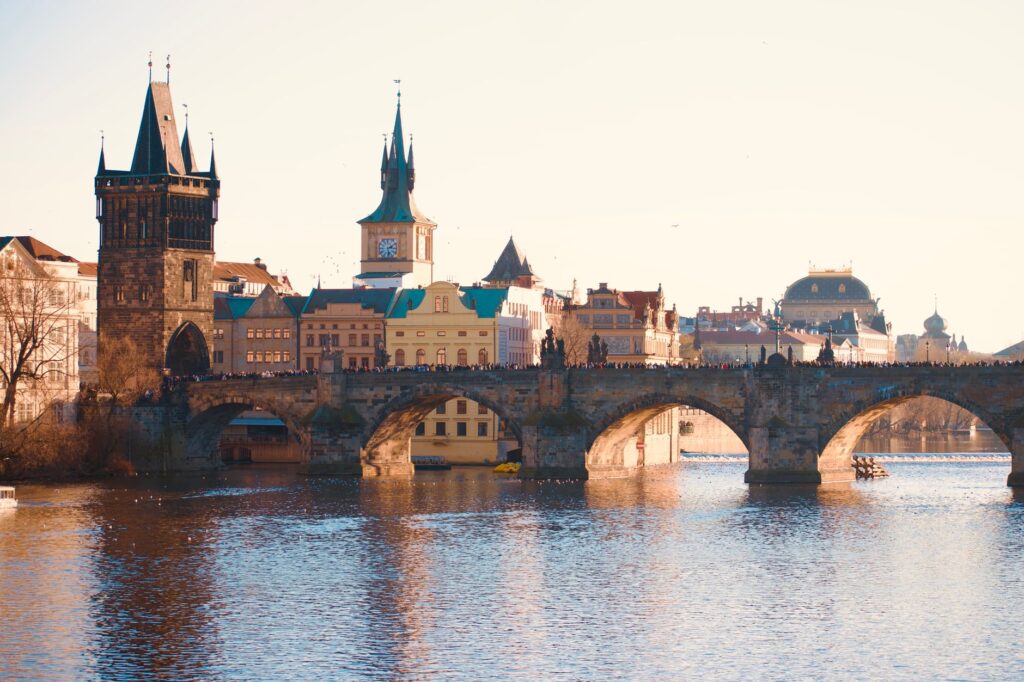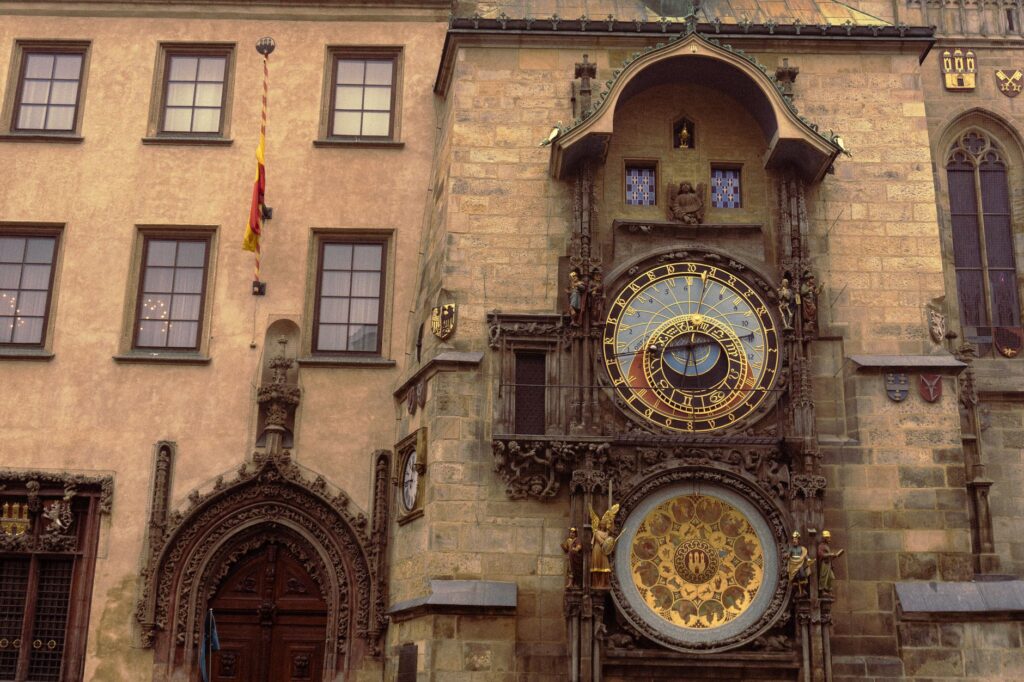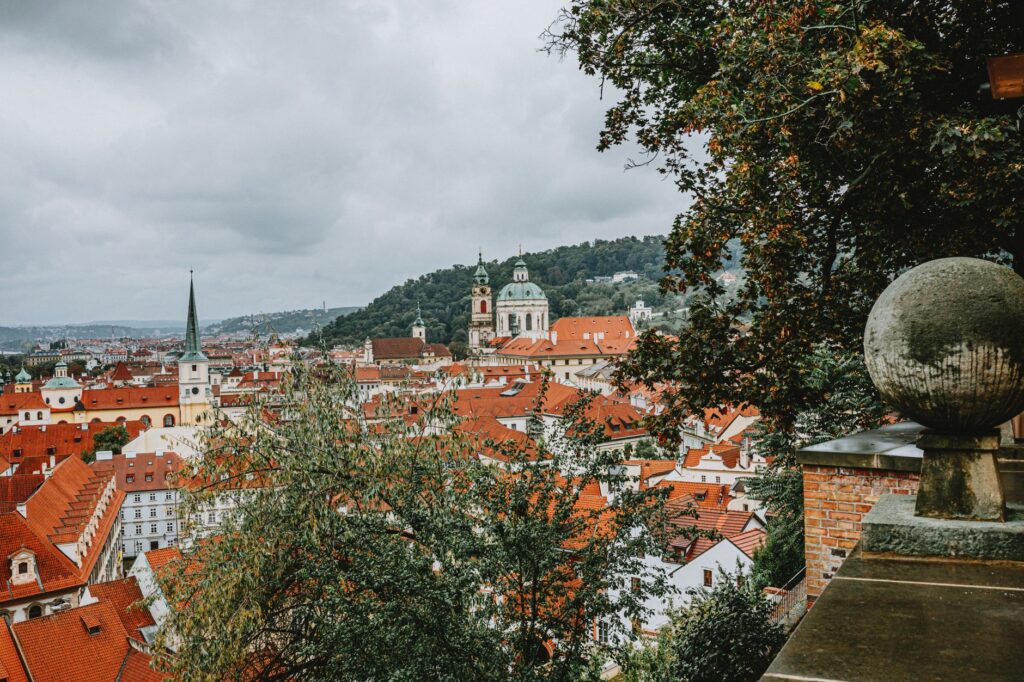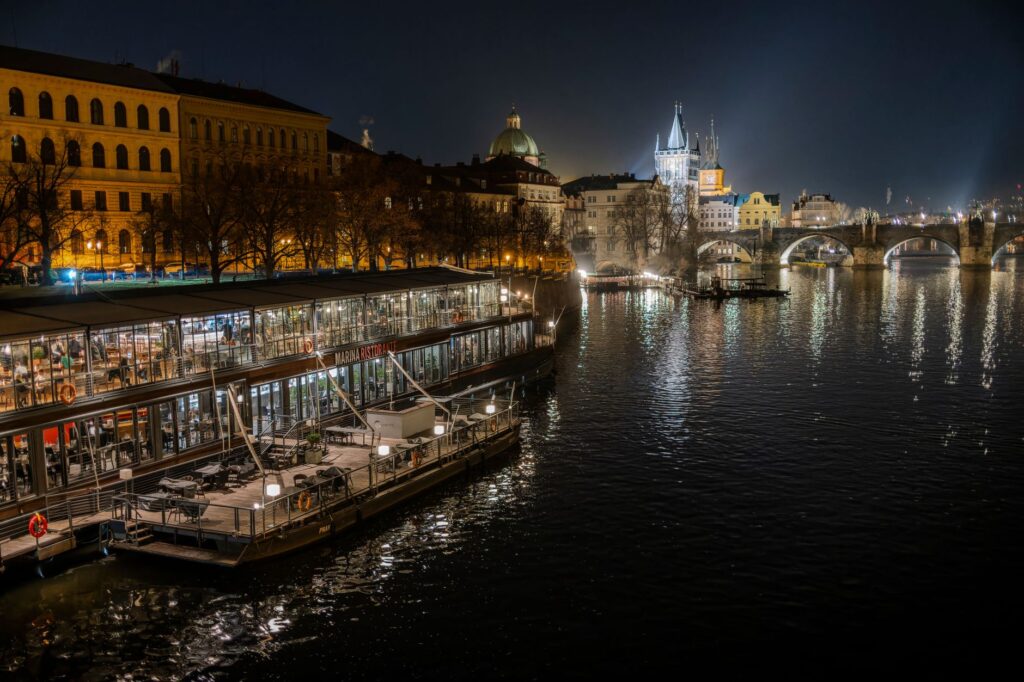

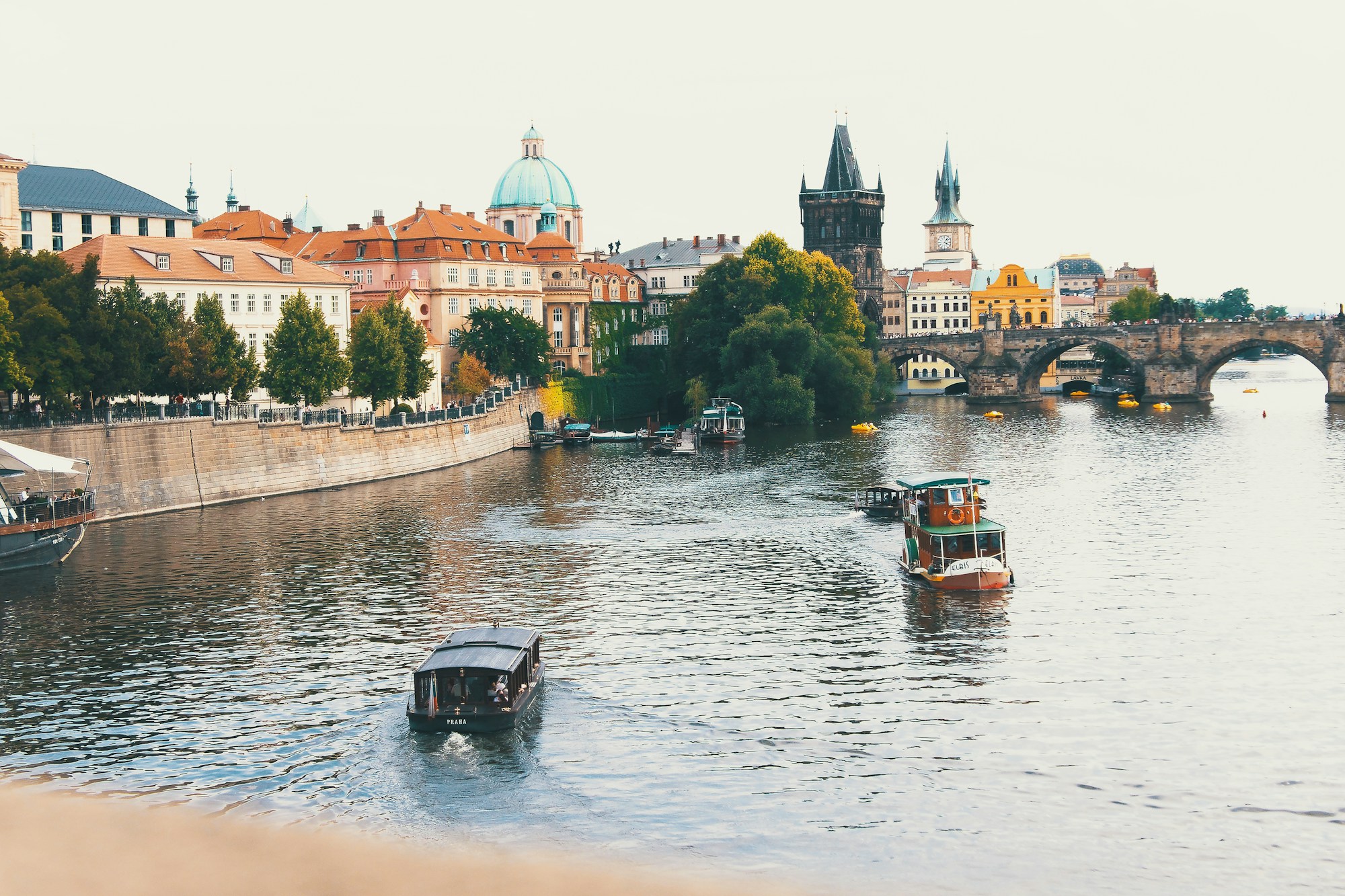
Prague is the great surviving medieval city of Europe. Vienna was bombed flat in places and rebuilt. Warsaw was deliberately destroyed and reconstructed. Budapest lost large sections of its old town and restored them. Prague, largely through a combination of geographical luck and tactical complexity in 1945, came through the twentieth century with its old town, its castle district, its Baroque churches and Gothic lanes, its astronomical clock and its Charles Bridge, essentially intact. This is not a minor fact — it is the reason the city looks the way it does, and it explains the slightly stunned quality of Prague’s civic self-presentation: a place that expected to lose what it has and is still processing the fact of its own survival.
The mistake most Prague itineraries make is treating the old town as the address. It is the subject, not the base — the cobblestones are for walking in the morning before the day-trippers arrive from Vienna and Berlin, and for after dinner when the lanes go quiet and the castle sits above them lit in a way that costs nothing to look at. The right neighbourhood is Malá Strana, across the river: the streets beneath the castle, the garden restaurants behind the walls, the tram that connects it to everywhere else. The Four Seasons and the Mandarin Oriental are both here, both in converted historic buildings, both with that direct view of Charles Bridge from the terrace that defines the category.
Prague combines naturally with Vienna (four hours by train) and Budapest (about the same). The train between them is a reason to do the route rather than an obstacle — the rail corridor through Bohemia and Austria and across the Danube into Hungary is Central European landscape at its most legible, and arriving by train at Vienna’s Hauptbahnhof and Budapest’s Keleti gives the cities a different weight than arriving at an airport. The three-city circuit works in either direction; we route most clients Prague–Vienna–Budapest because the sequence follows the architectural narrative from Gothic to Baroque to Art Nouveau.