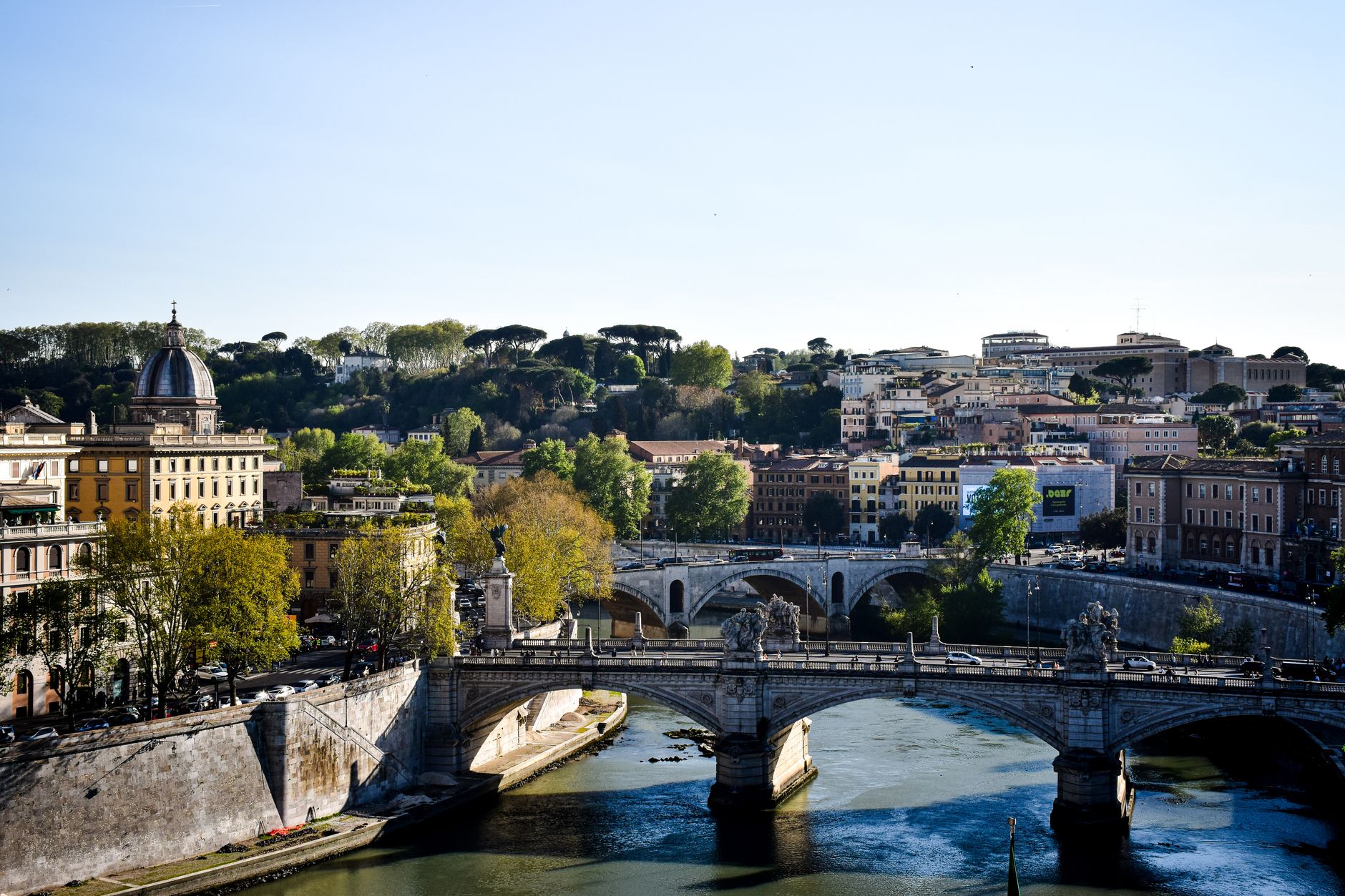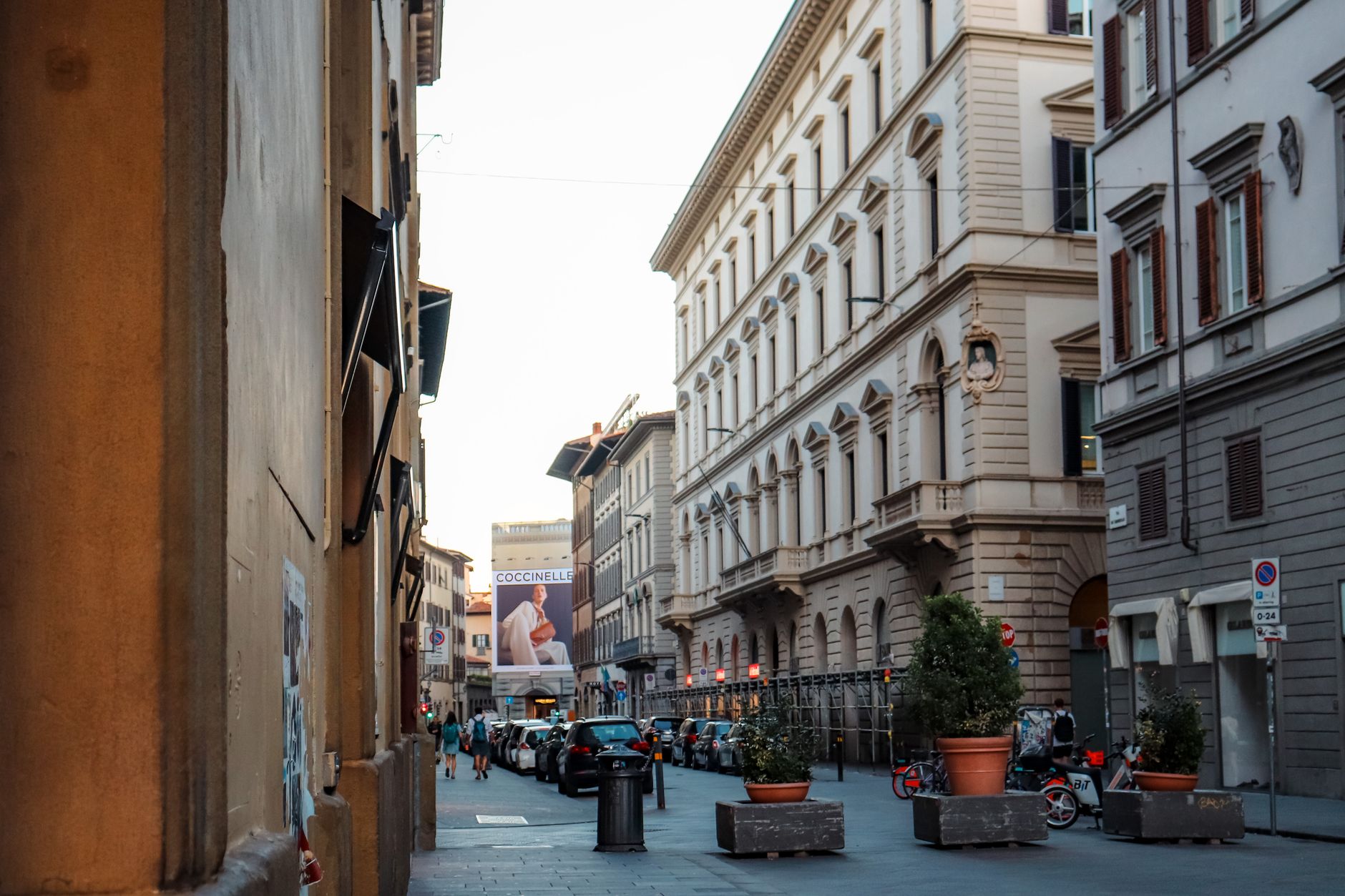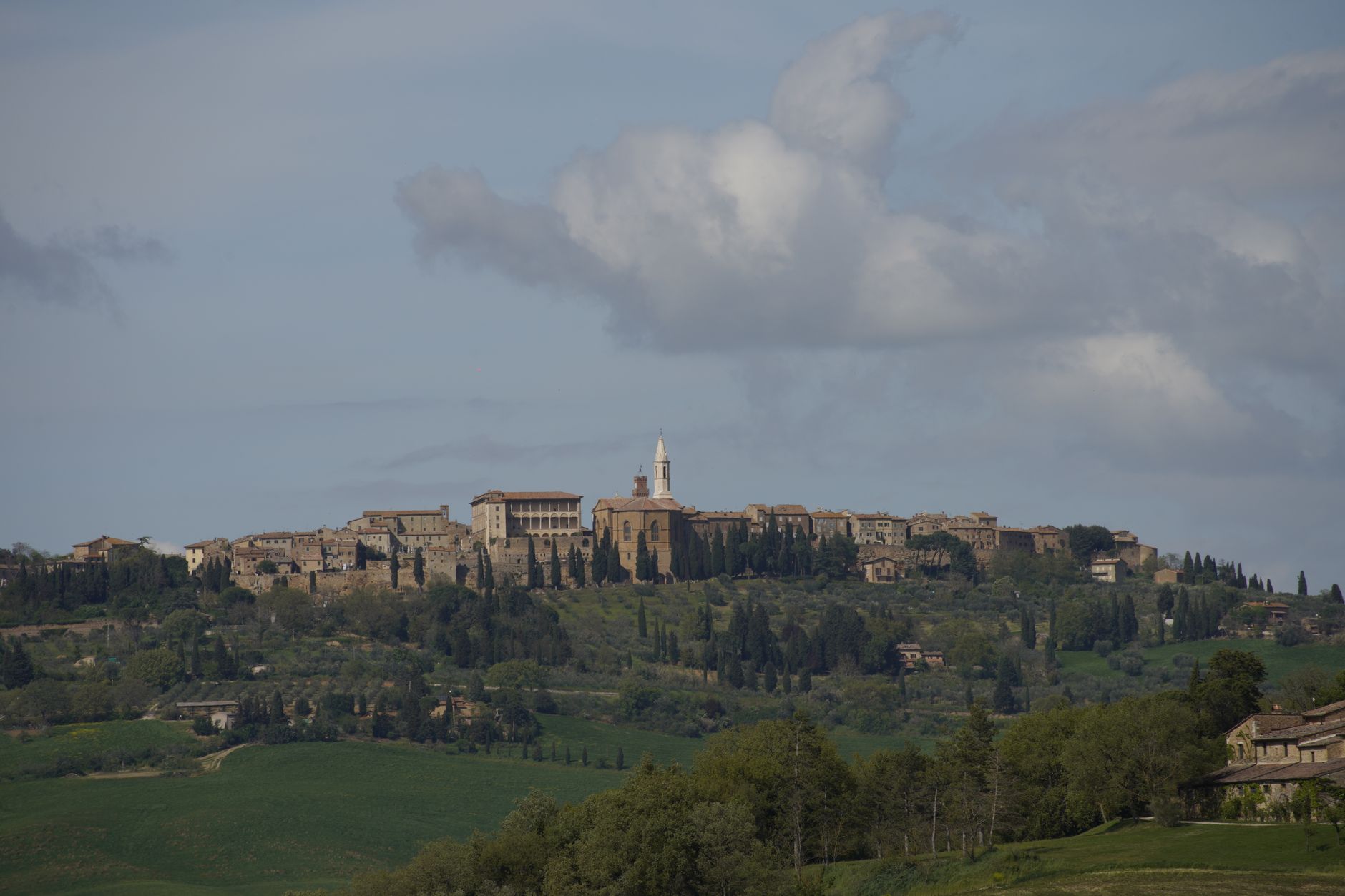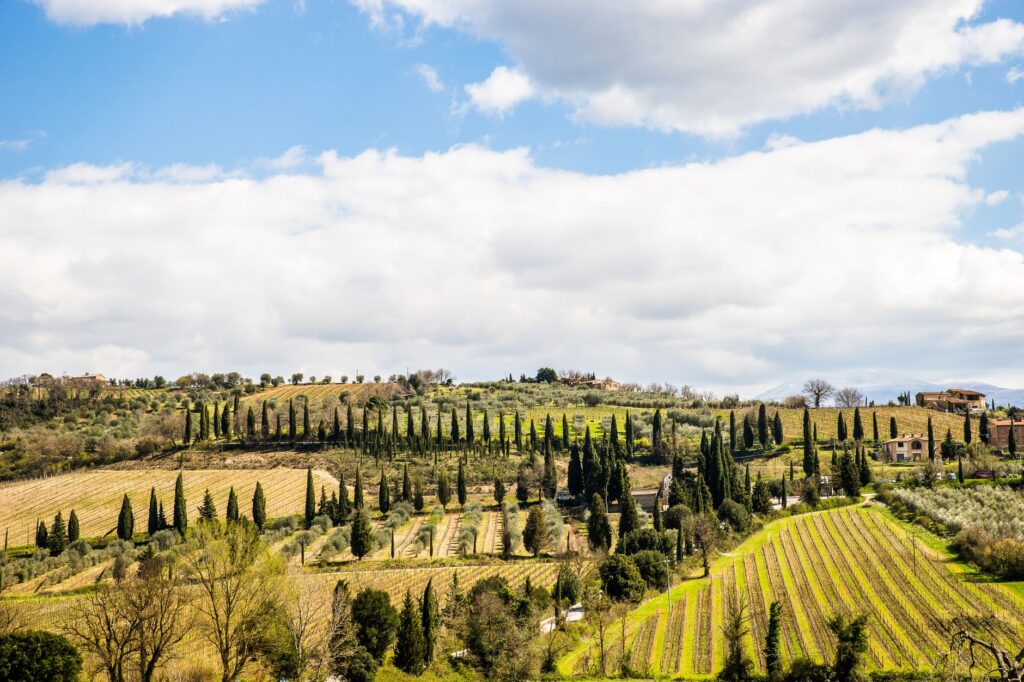

Italy is the country most Indian families have already visited once and are trying to do better the second time. The first trip — Rome, Florence, Venice in ten days, five hotels, too many churches — is a rite of passage and has its own satisfactions. The better trip is the one that stays longer in fewer places, leaves room for a meal to turn into an afternoon, and understands that the reason to go to Tuscany is not a sightseeing list but a terrace in October with a glass of Brunello and a view that hasn’t changed in four centuries.
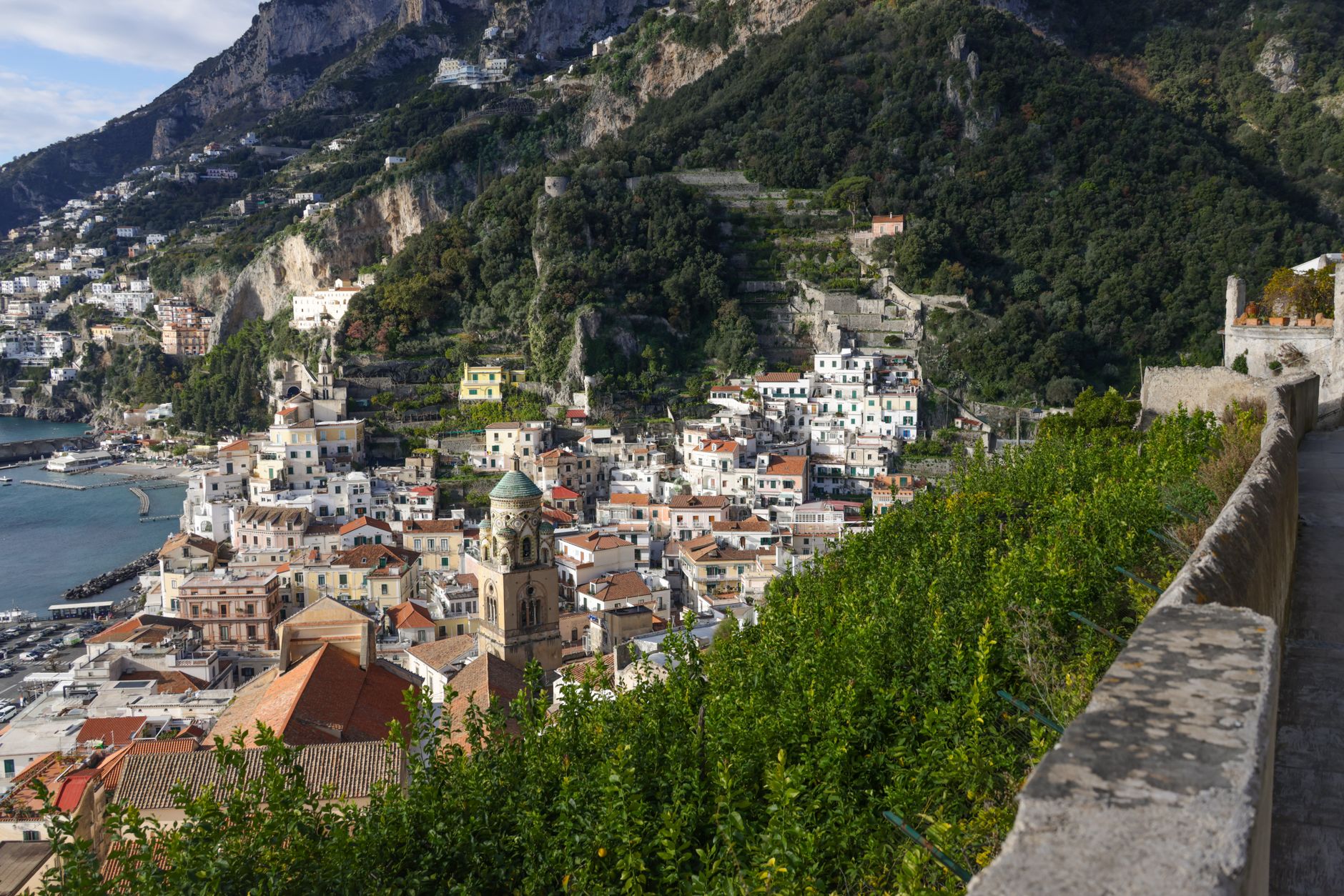
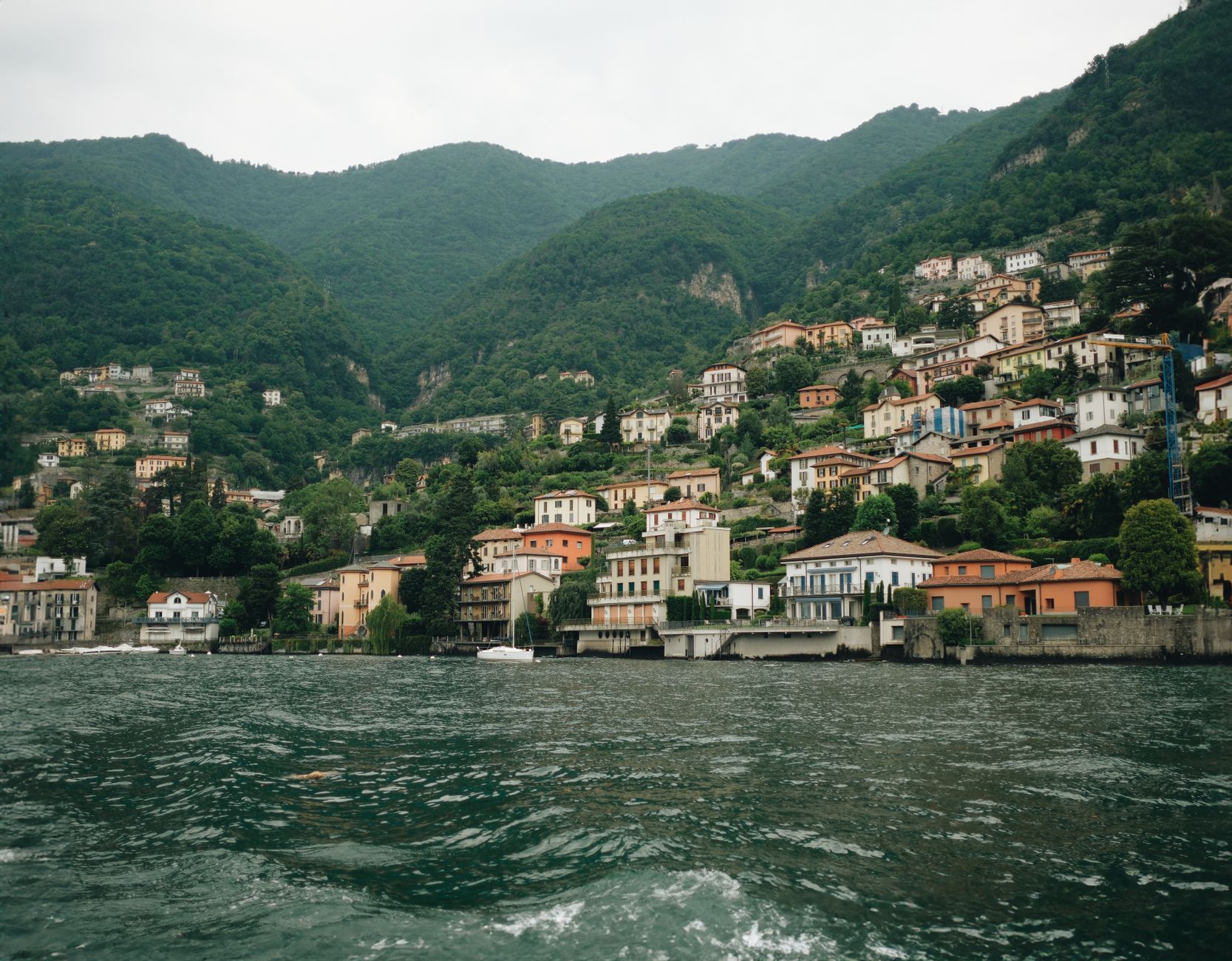
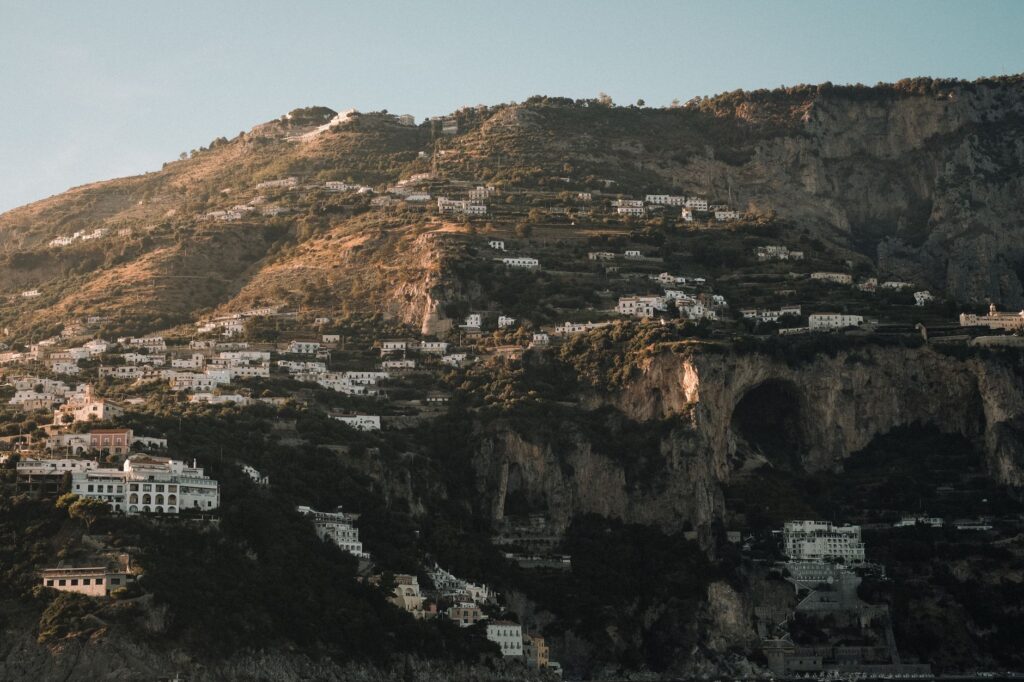
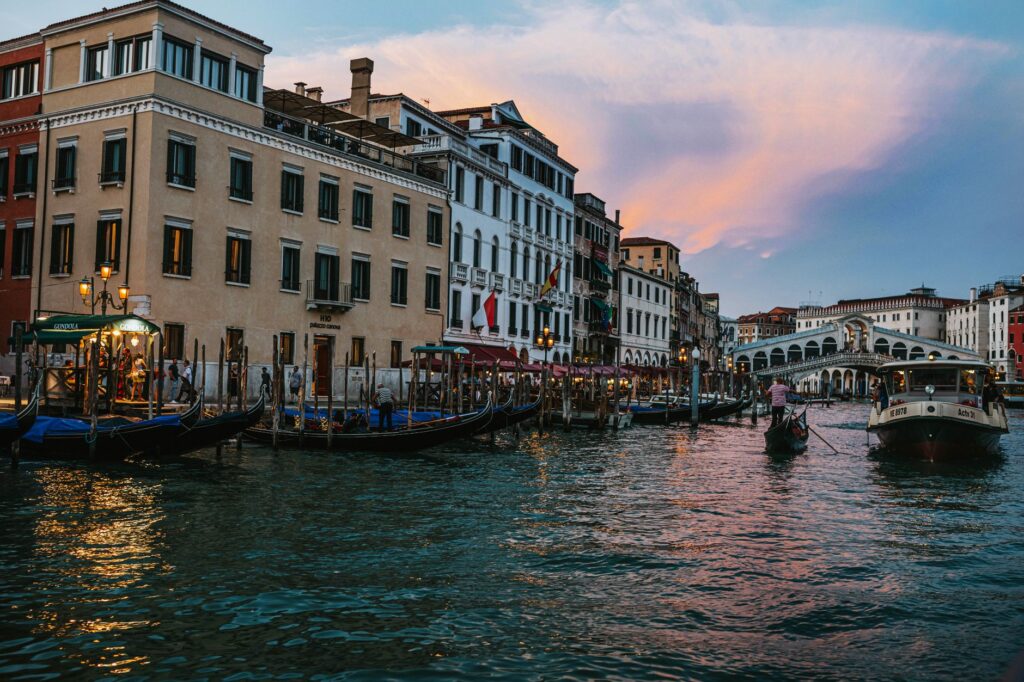
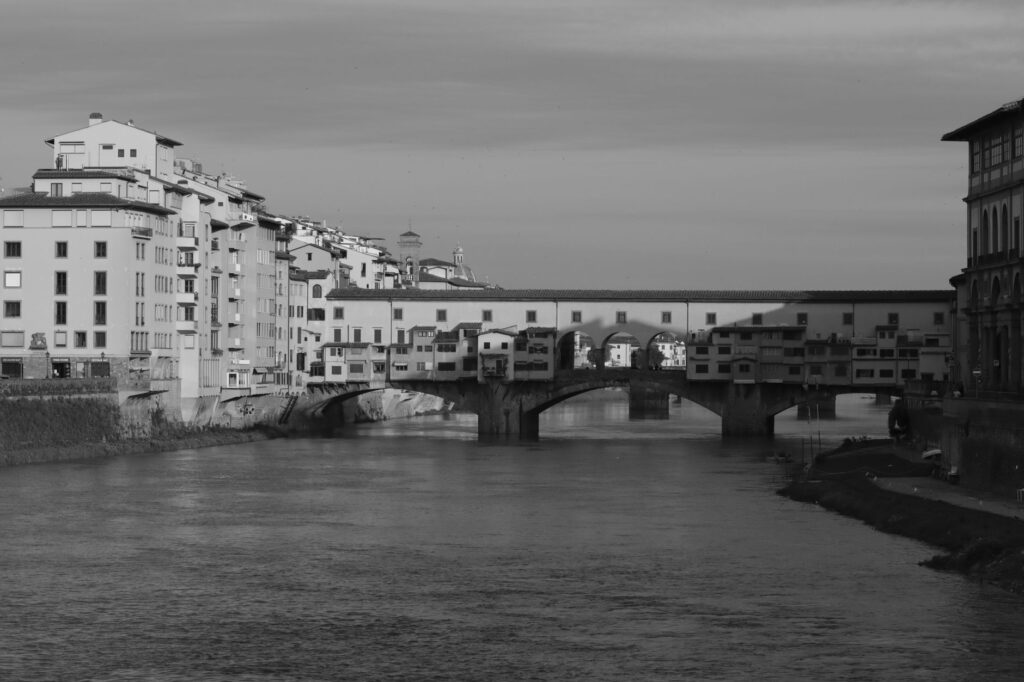
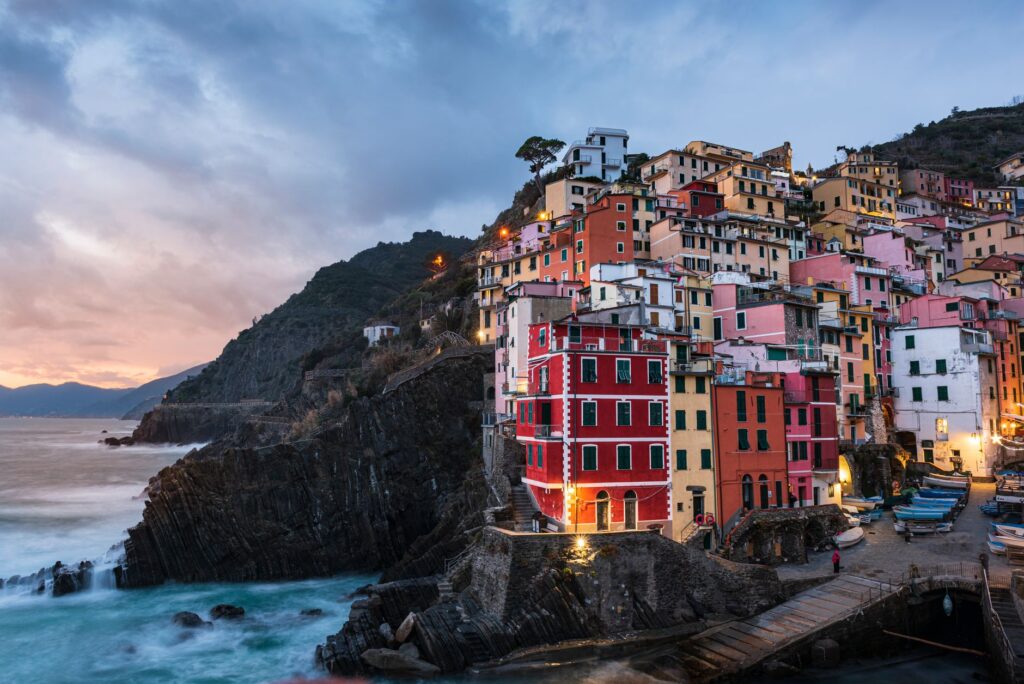
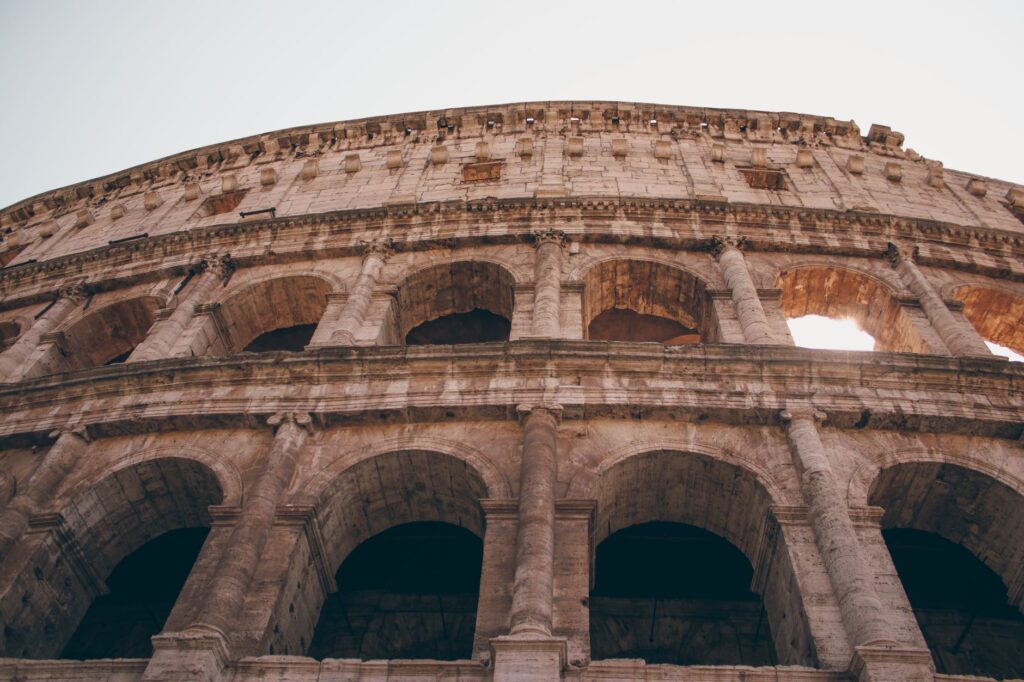
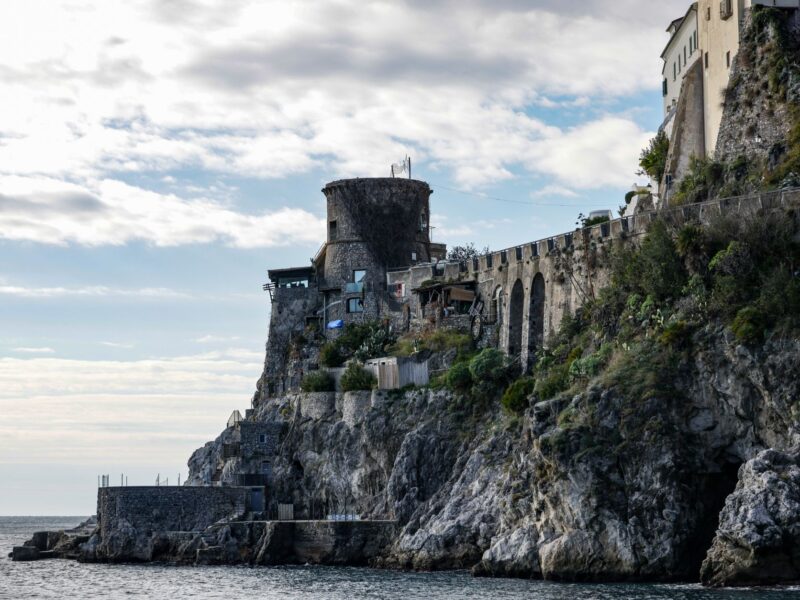
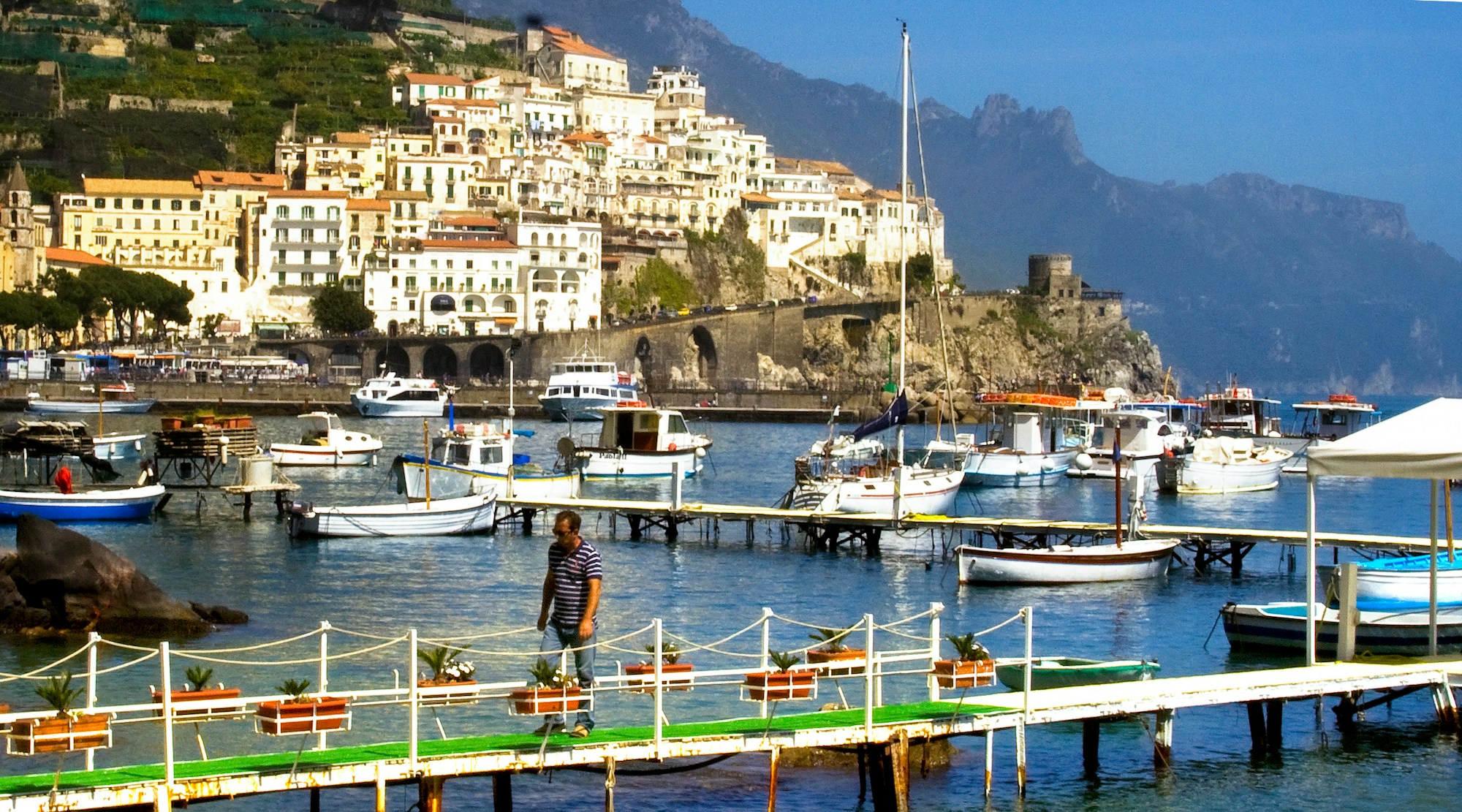
The structural call that decides Italy is the north-south fork. Rome is fixed — two to three nights, the Forum and the Borghese and the evening in Trastevere, done before July crowds arrive. After that: south means the Amalfi Coast and Capri, which are vertical Italy, dramatic and theatrical, Le Sirenuse on its cliff above Positano, the boat to the Blue Grotto. North means Florence and the Tuscan countryside, then Lake Como if the trip has room for it — the most civilised hotel pool in Europe at Villa d’Este, the mountains behind, the ferry between the villages. Full arc means both, and it requires fourteen nights to do without feeling rushed, which is the only honest way to do it. The Venice question: worth three nights and best in October or early November when the acqua alta has the piazzas half-flooded and the crowds have gone home and the city is briefly itself again.
Italy is also the country where the vegetarian brief matters most and is most often forgotten. The kitchen in a Roman trattoria handles it naturally; the kitchen in a Positano cliff restaurant has been cooking fish and meat for five hundred years and needs to be told in advance, in specific terms, that the table requires vegetarian options genuinely prepared. We brief every restaurant before you sit down, in writing, in the language the kitchen works in. It is the difference between a plate of sides and a meal that was planned for you.