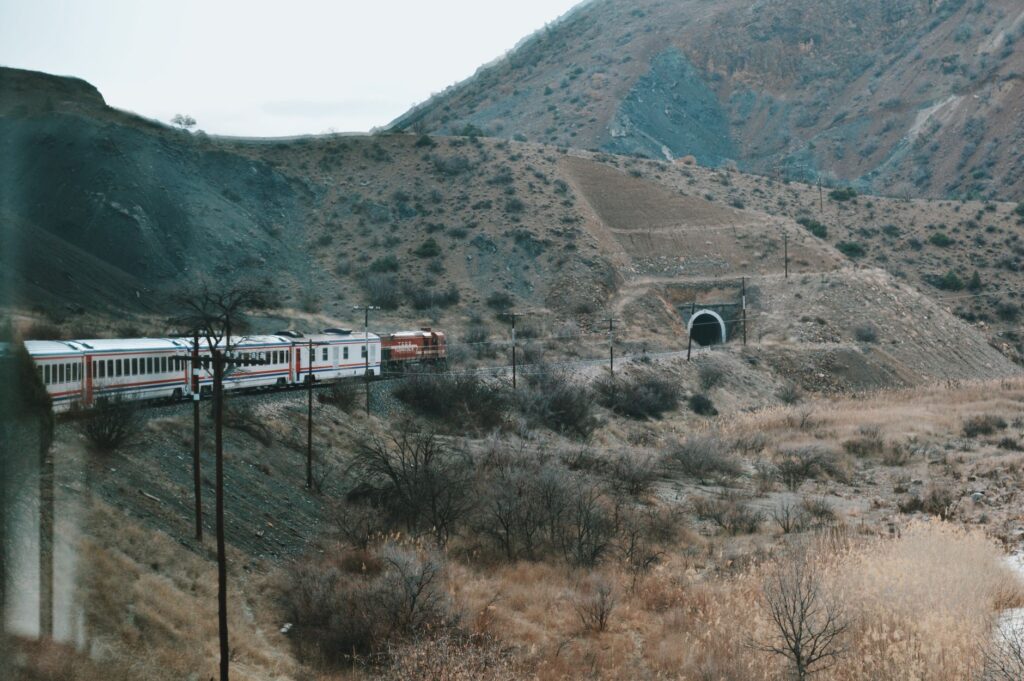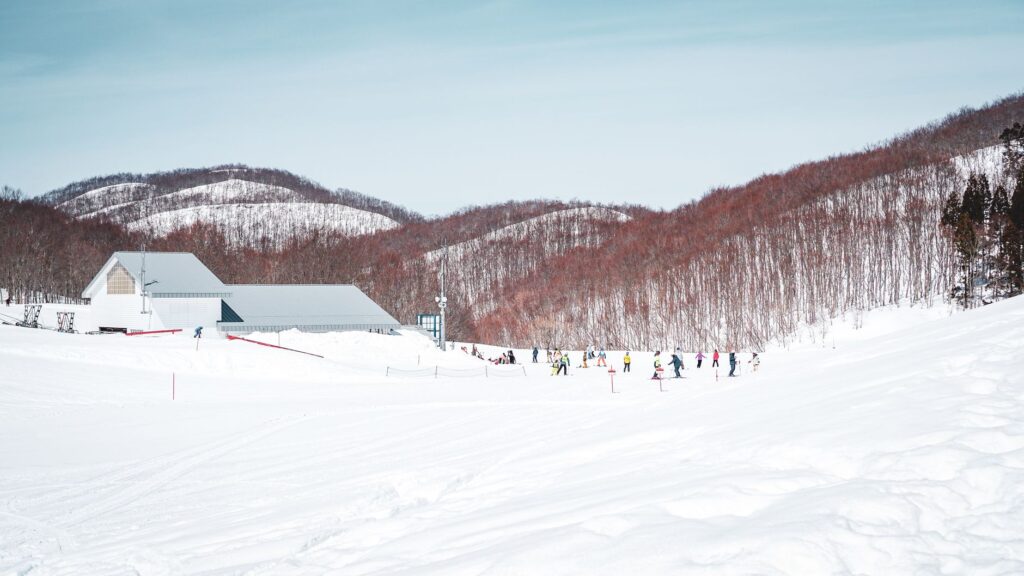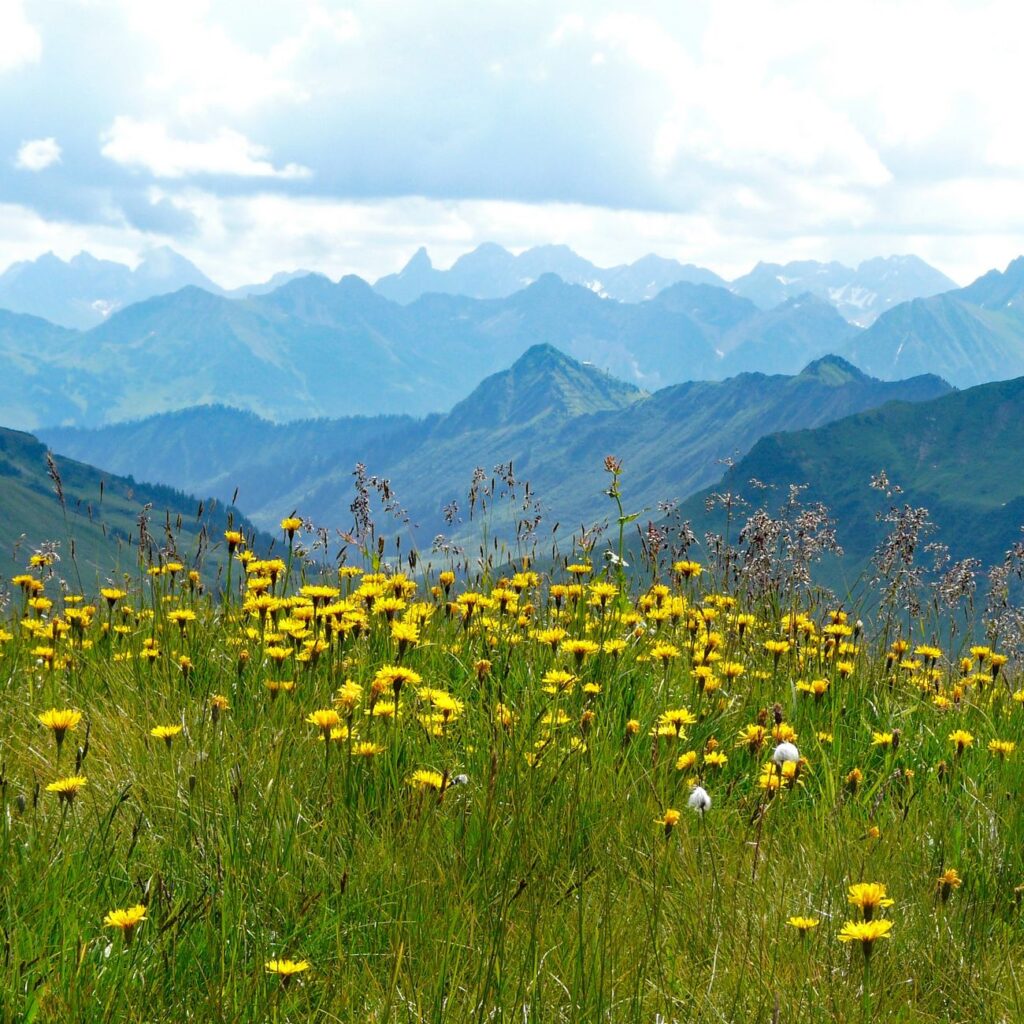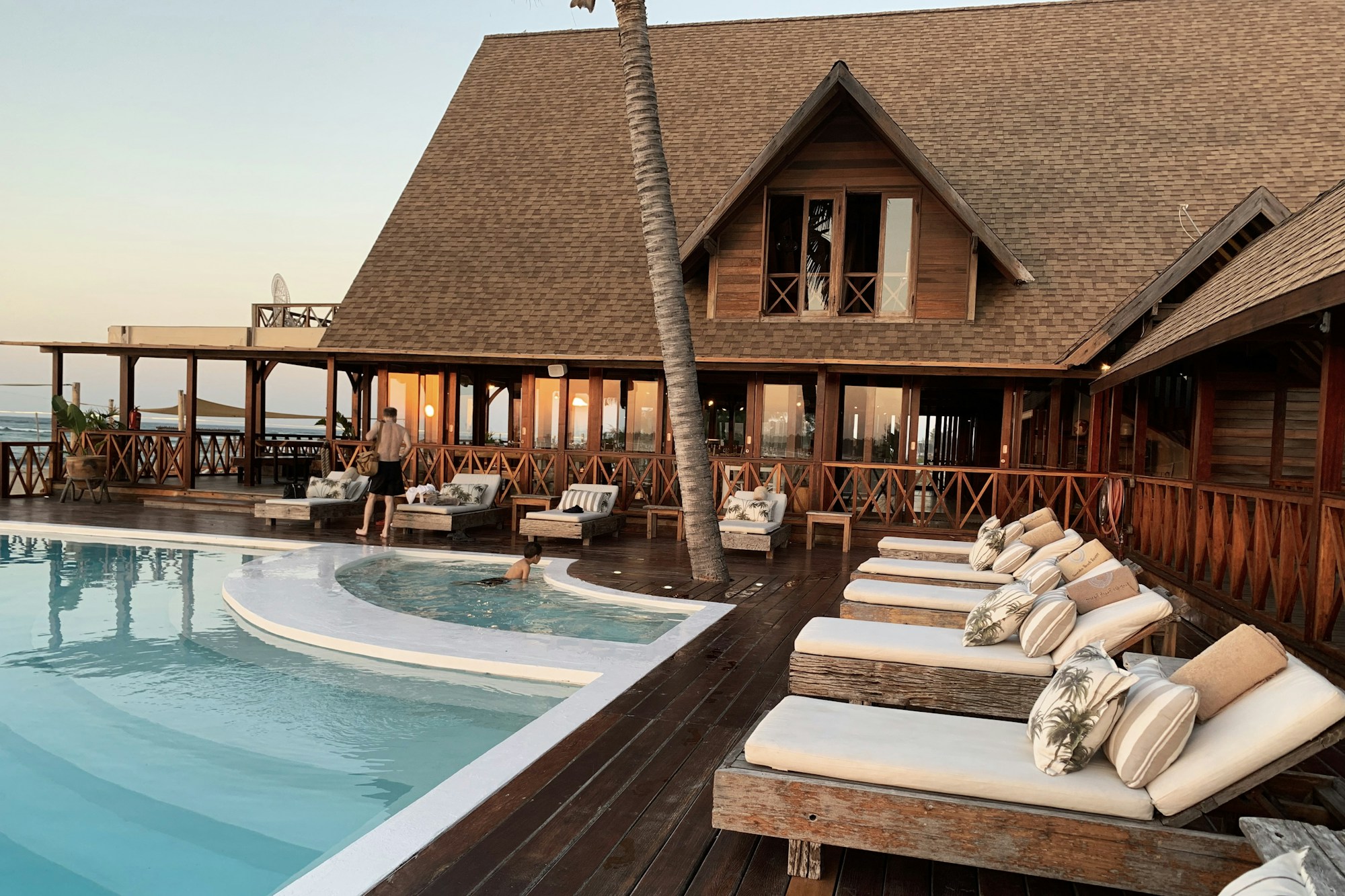

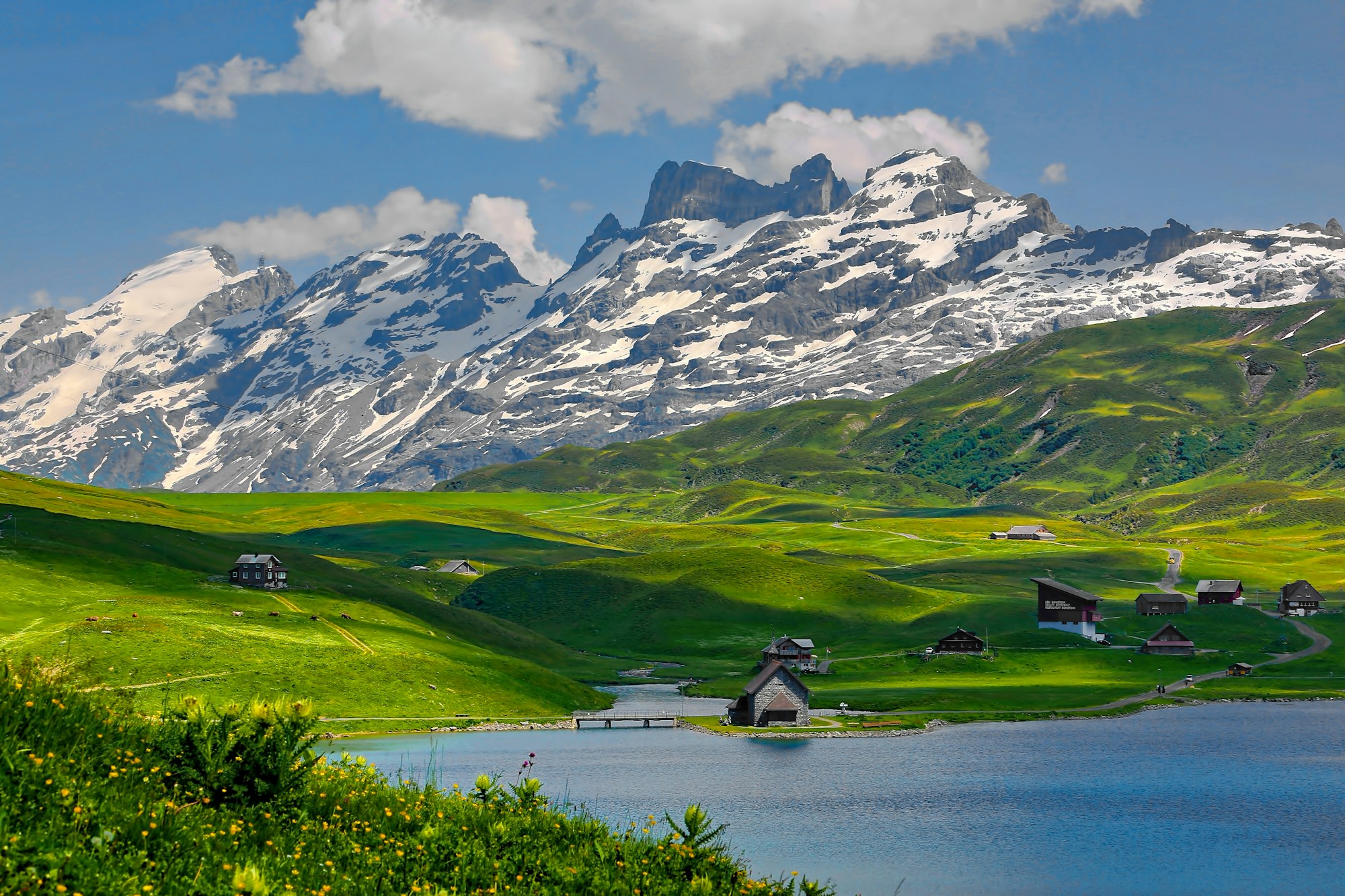
Switzerland is the country that invented the luxury mountain holiday — and has spent a hundred and fifty years refining it into something close to perfection. The cog railways, the car-free mountain villages, the hotels that have been in the same families for four generations, the train that calls itself the world’s slowest express because it has no interest in arriving faster than the view allows: everything here was designed for a specific kind of attention, the kind that rewards slowing down. India has been sending its best travellers to Switzerland for decades, and the country has not disappointed them, which is why so many come back.
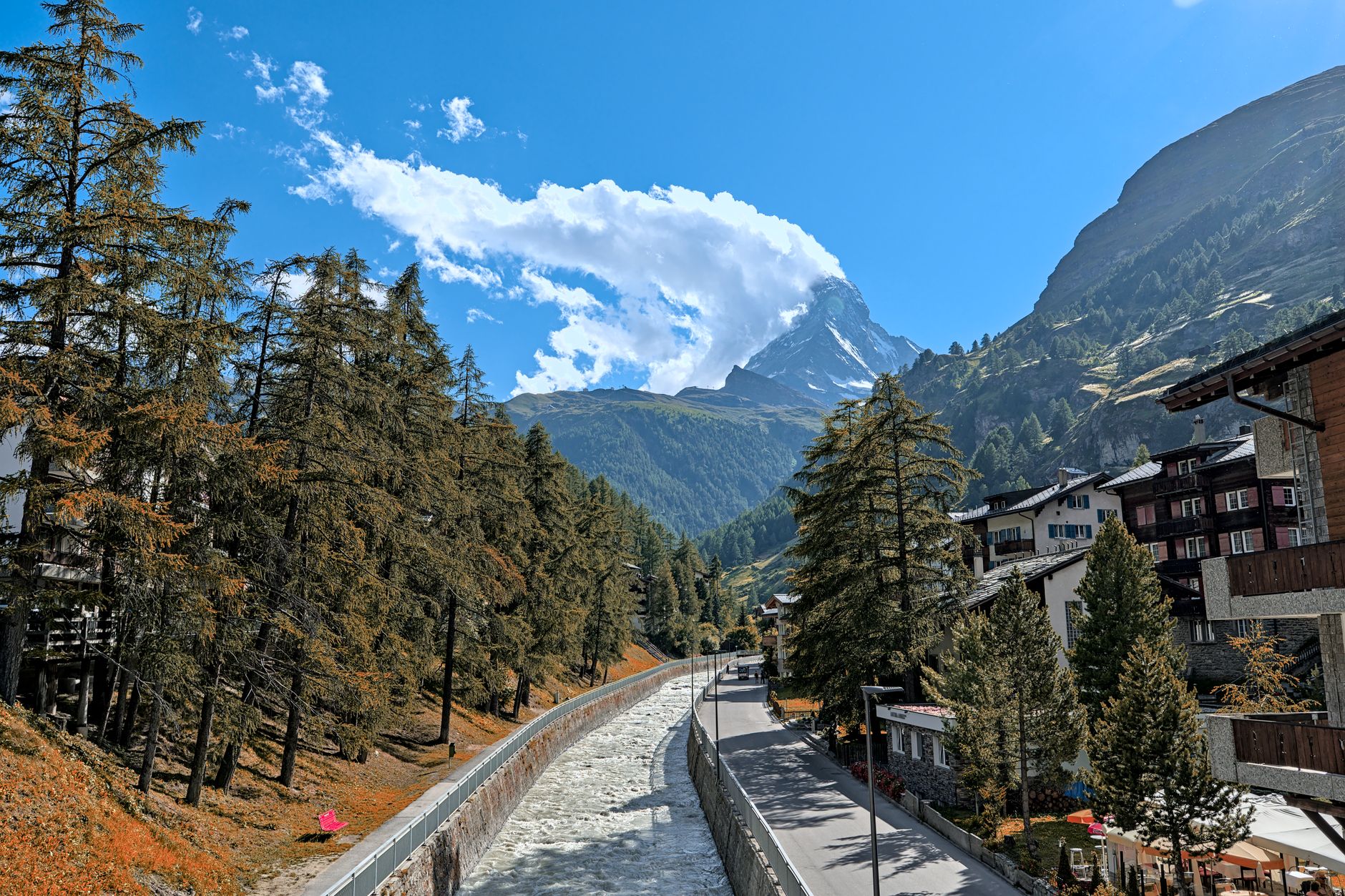
The mistake most first Switzerland itineraries make is treating the country as a city-hop — Zurich, Lucerne, Interlaken, Zermatt in ten days, five hotel changes, a packed rail calendar. The right version is two or three bases with real depth at each, linked by the trains rather than endured through them. The Bernese Oberland first — Wengen or Mürren on the car-free mountain shelf, not Interlaken in the valley below, the Eiger and Jungfrau directly opposite from the hotel terrace. The Jungfraujoch not as a fixed morning appointment but as a weather-triggered floating day, planned the evening before when the mountain forecast is clear. Then the Glacier Express as the centrepiece travel day — first class, the luggage sent ahead on the door-to-door service, a booked lunch table as the train crosses the Oberalp Pass. Then Zermatt for the Matterhorn, which deserves to be the thing the trip has been climbing toward rather than the thing you stumble into on day two.
For Indian families, Switzerland carries a specific pleasure: the vegetarian food that, at the level of hotel we book, is handled with genuine care rather than apology. The Swiss Travel Pass requires honest arithmetic — it has not kept pace with point-to-point ticket prices and often does not pay back on a focused two-base itinerary. We run the numbers every time and recommend the pass only when it genuinely wins.