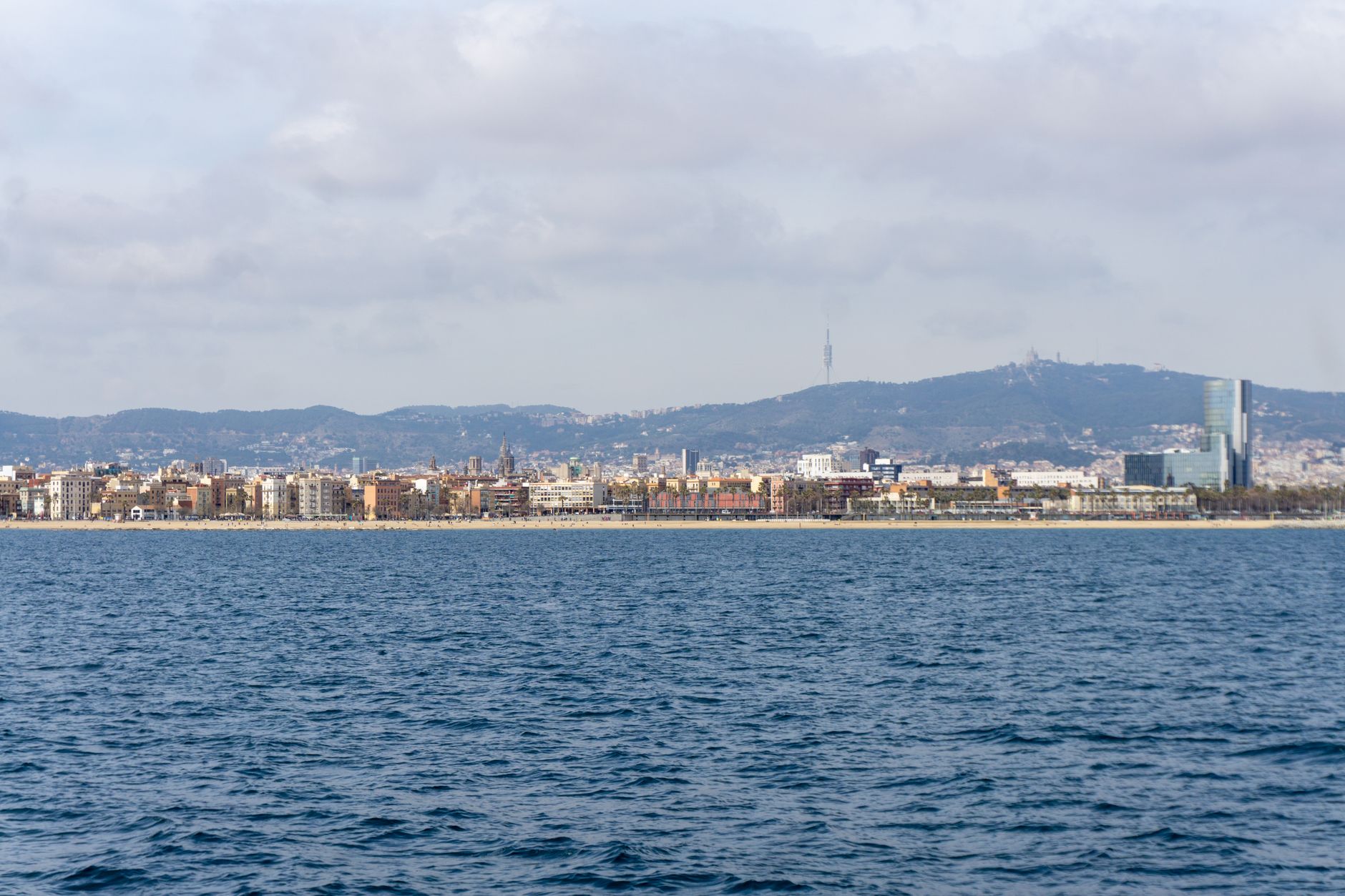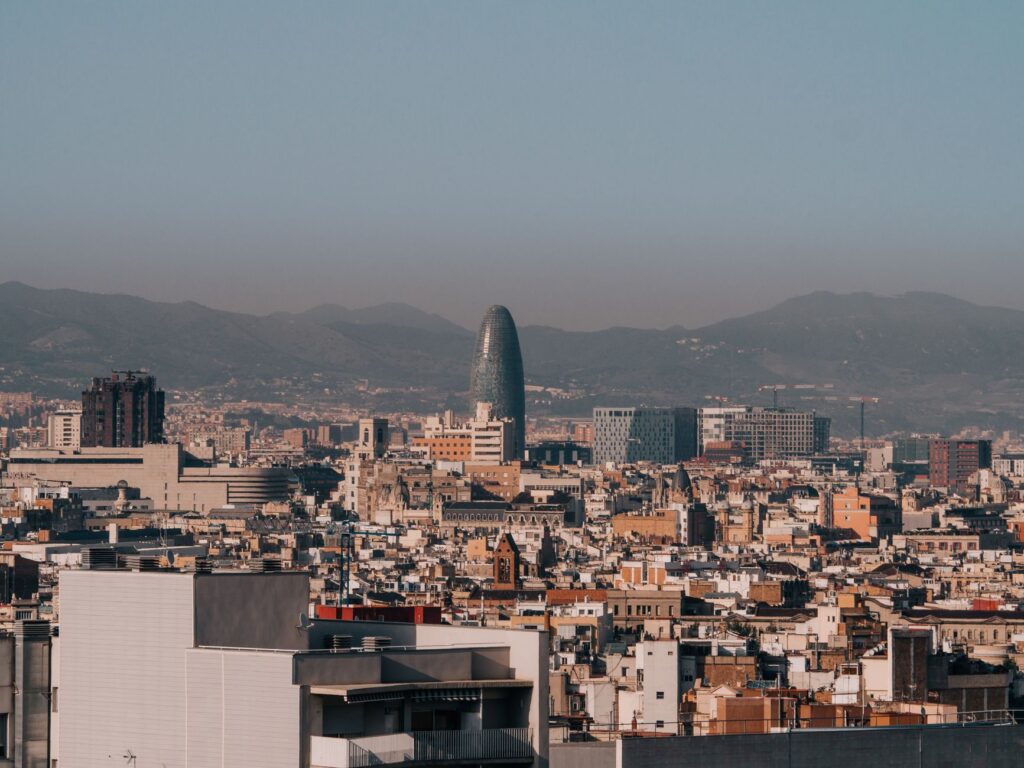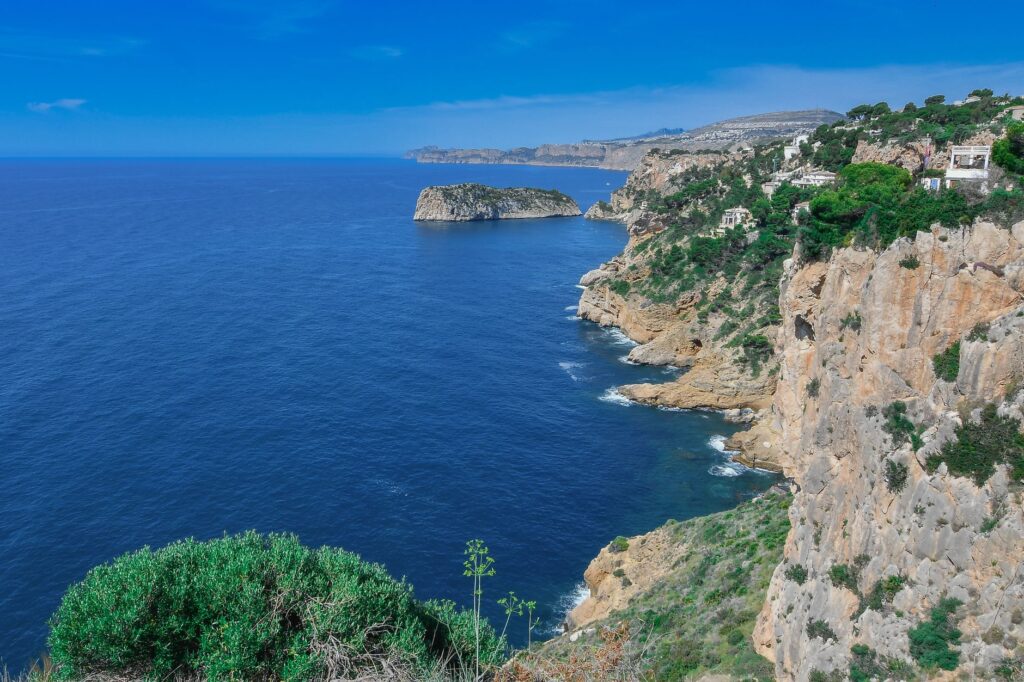

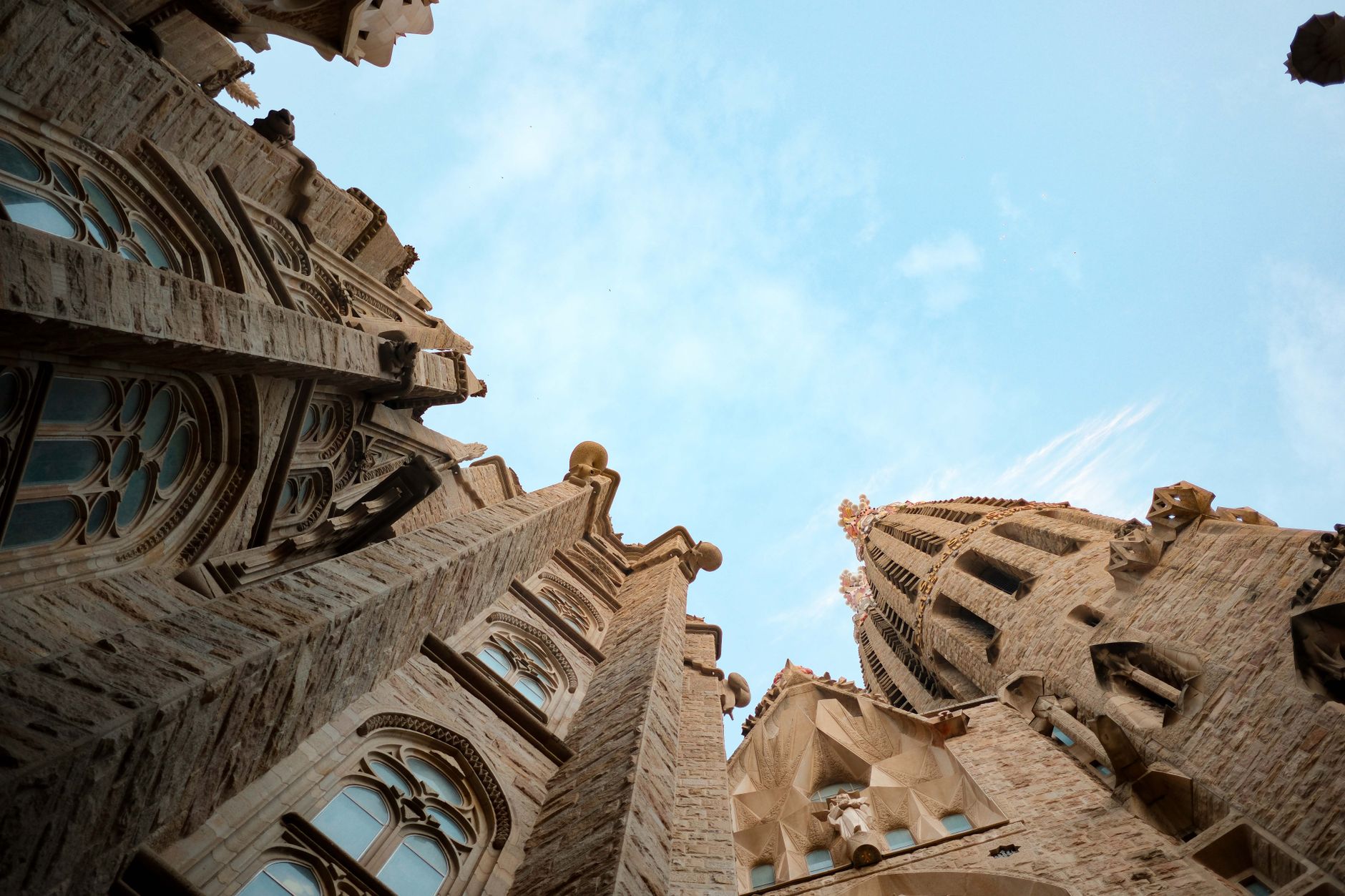
Spain’s claim on serious travellers rests on three things that travel writing routinely undersells: the architecture is genuinely among the greatest produced by any civilisation, the food operates at a level that changes how you think about eating for a while after you leave, and the cities have a rhythm — late dinners, late mornings, long afternoons — that takes three days to stop fighting and one more to understand is better than the rhythm you arrived with. Barcelona makes the loudest case: Gaudí’s buildings are not merely impressive but strange, genuinely other, the product of a mind working in a key no one else has attempted. Standing inside the Sagrada Família nave is an experience that photographs have made familiar and physical presence makes shocking anyway.
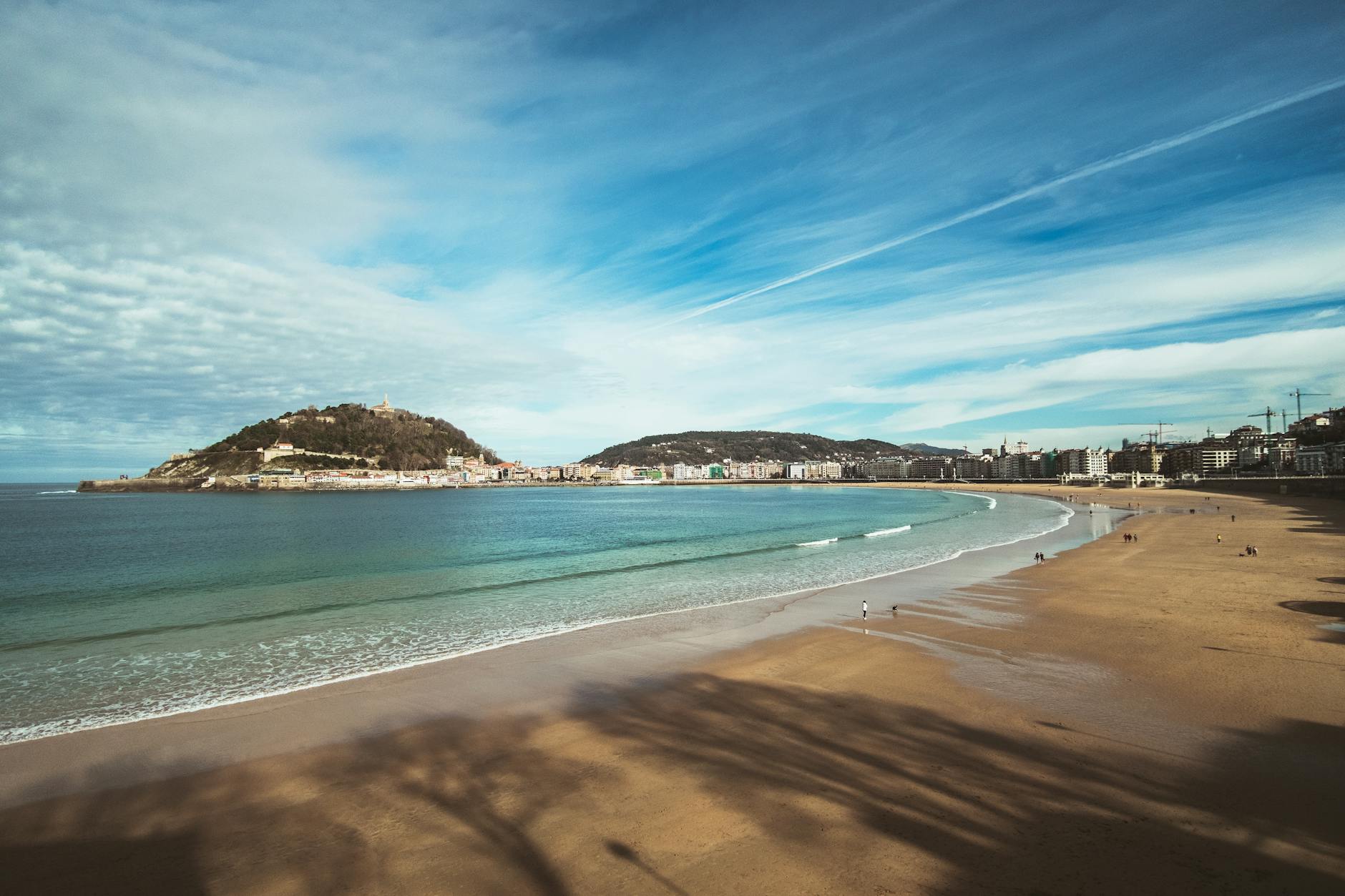
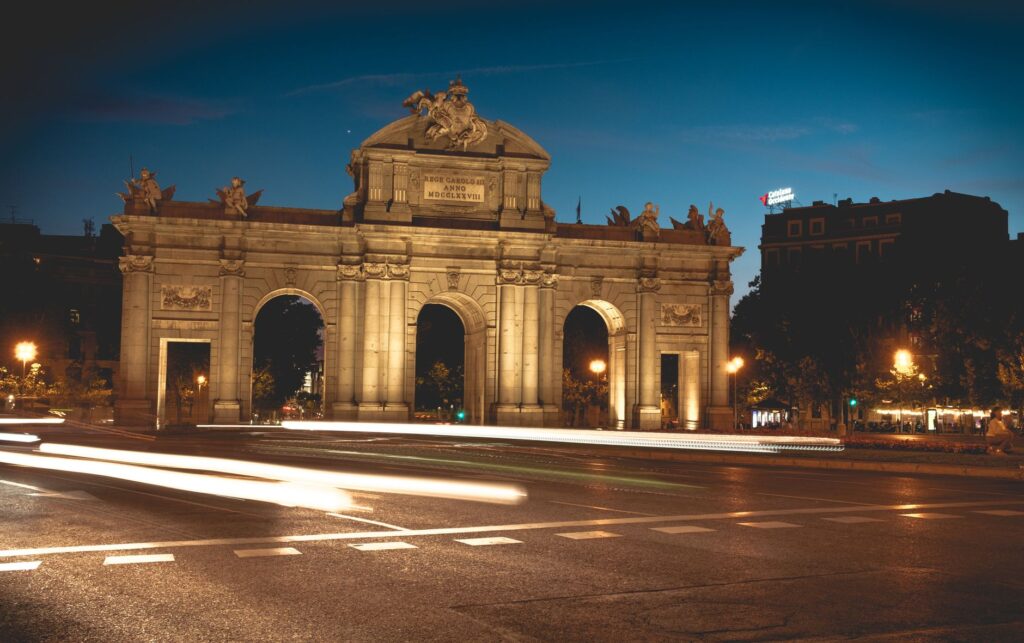
The planning fork with Spain is the same one that returns on every longer trip here: Barcelona alone, or Barcelona and somewhere else. Madrid is the obvious second city, reachable by high-speed train in two and a half hours, and the combination works because the cities are genuinely different in character — Barcelona coastal and Catalan, Madrid centrally European in its formality. San Sebastián is the more rewarding extension for clients who are serious about food: it is a small Basque city with a concentration of exceptional restaurants — Arzak, Mugaritz, Asador Etxebarri — that requires two nights and advance reservations. The reservations are the constraint, not the flights.
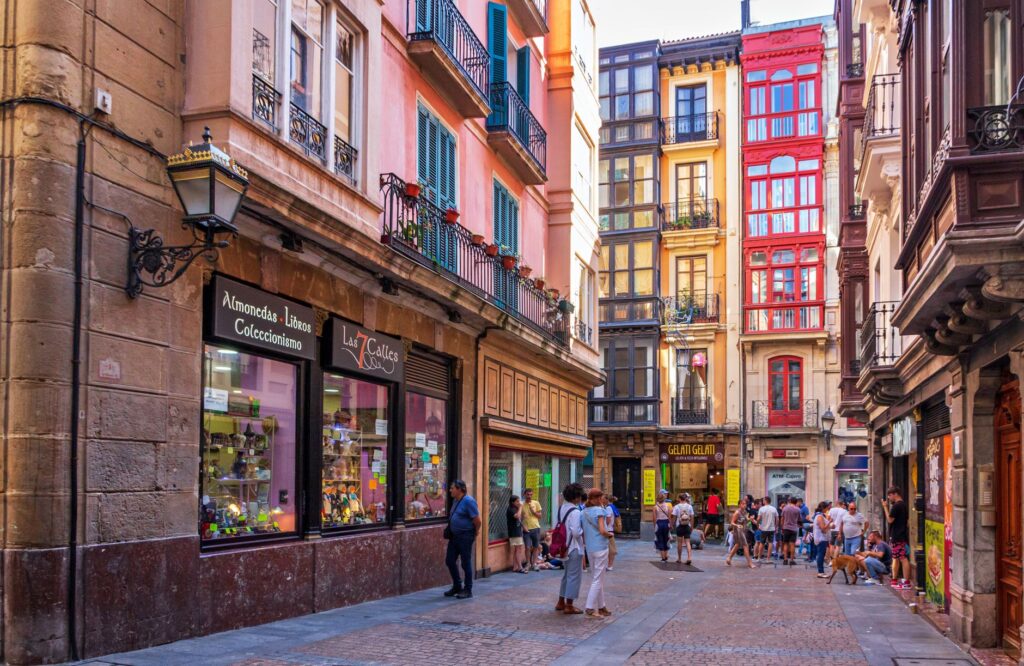
We know Spain well enough to have strong views about which room at the Mandarin Oriental gets the Gaudí-building view, and about which pintxos bars in San Sebastián the local chefs actually eat at after service. The Michelin restaurants in the Basque Country require reservations made before the visa application, not after. The vegetarian brief in Barcelona is easier than most northern European cities; in San Sebastián it requires honest advance conversation with the restaurant because the tasting menus are built around seafood and the substitutions need to be requested specifically, early, and in writing.