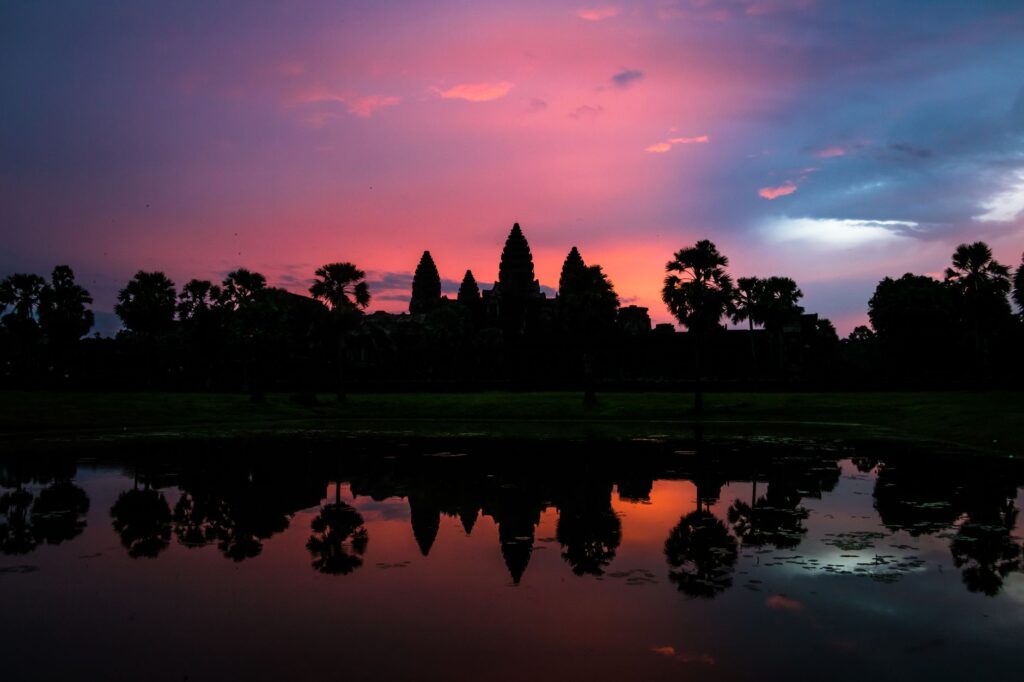

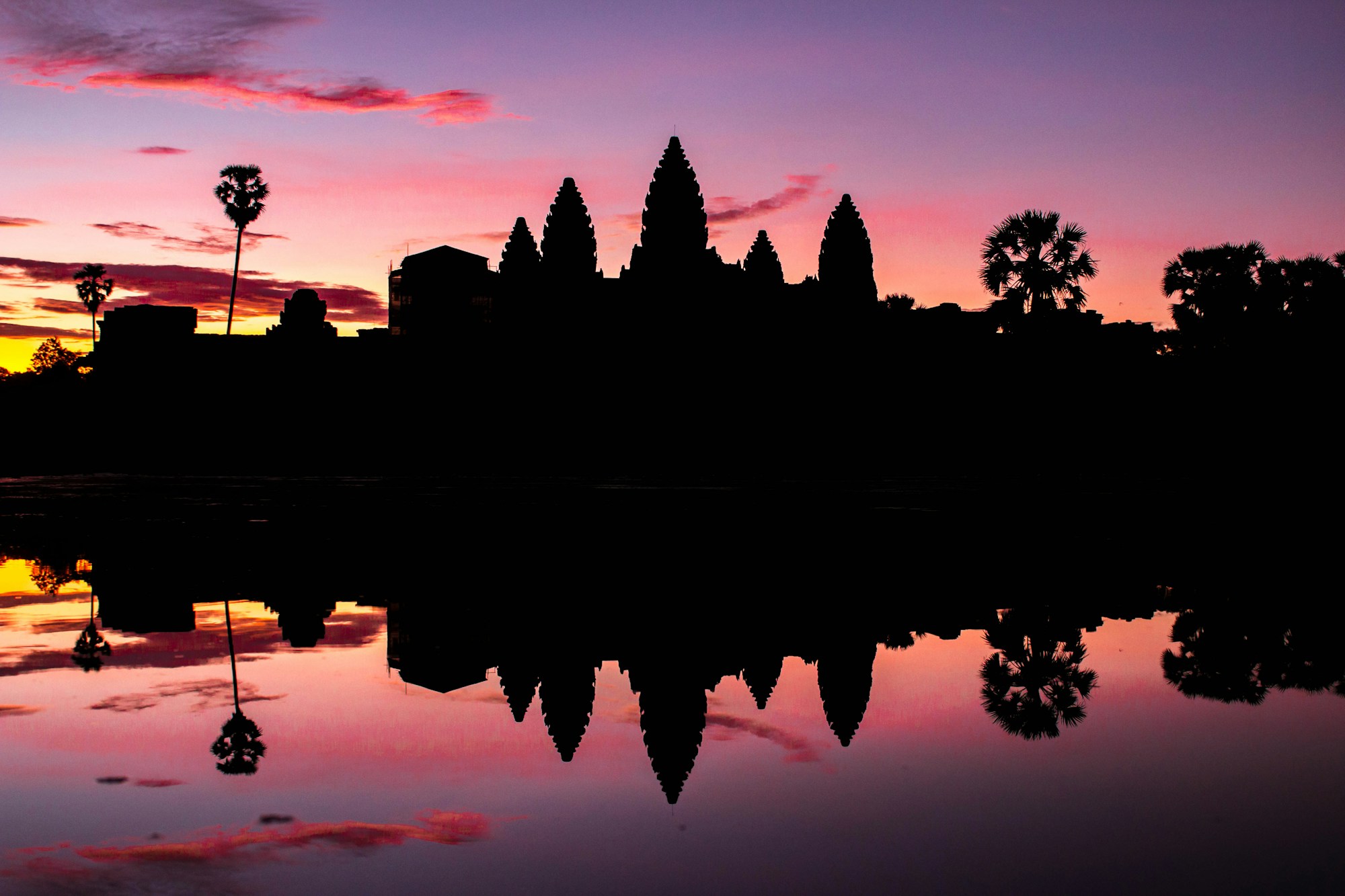
Angkor Wat at dawn is the reason to go to Cambodia, and it is enough. The scale of the Khmer complex — 400 square kilometres of temples, reservoirs, and ancient city, the largest religious monument ever built — is not legible from photographs, which universally flatten it into a pretty silhouette. Standing at the moat at five-thirty in the morning, the reflection still, the first light turning the stone from grey to gold, is an experience that registers in a different register from sightseeing. You are inside something that took two centuries to build and was inhabited by a million people at its peak, in an empire that was, in its day, the largest city on earth.
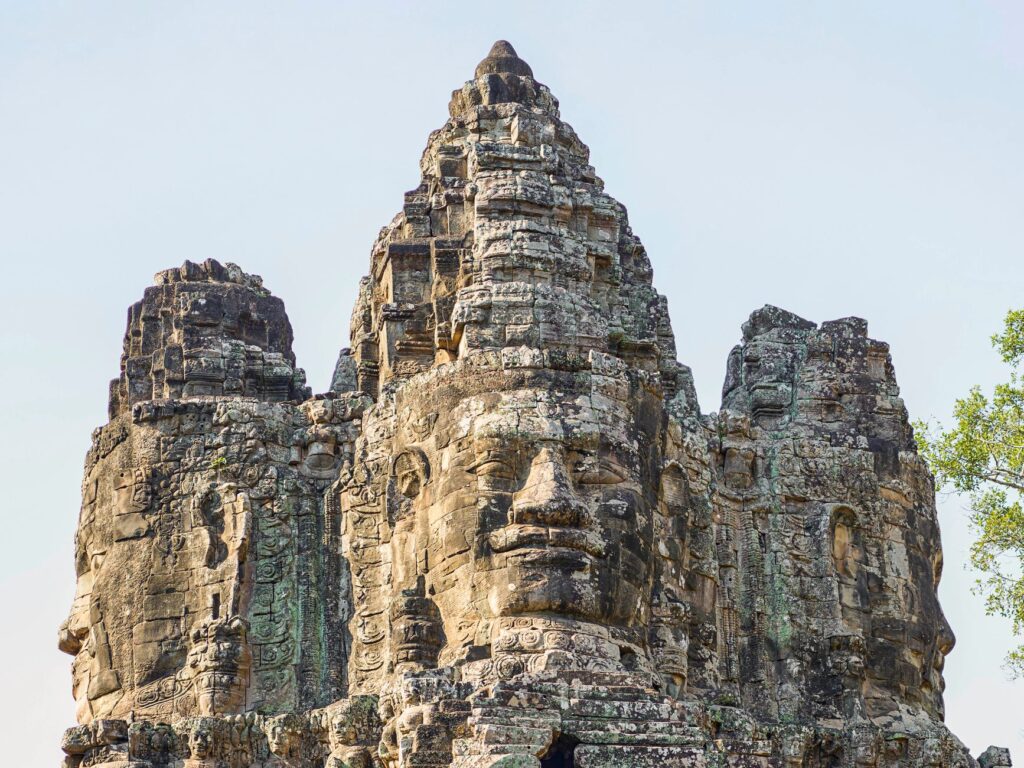
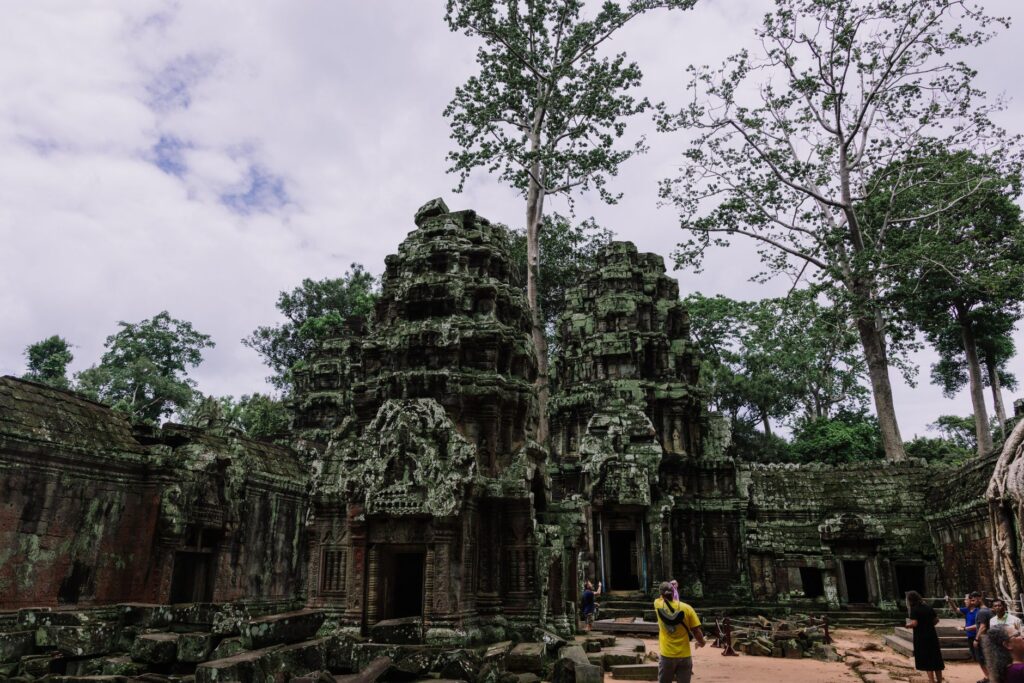
The guide who understands this, and knows which temple faces which light at which hour, is the primary variable. Ta Prohm at nine in the morning, before the other groups arrive, with the tree roots still silent in the early heat; the Bayon in the afternoon when the light catches the 216 faces carved into every tower; the outer temples that are almost never visited and where the restoration is still happening. Amansara’s private access — the temples opened before dawn with only your group — is the Aman model applied to archaeology, and it works completely.
Cambodia pairs naturally with Bangkok as a one-flight, two-country trip: Bangkok to Siem Reap on Bangkok Airways is one hour. Four nights in each covers the essential of both.