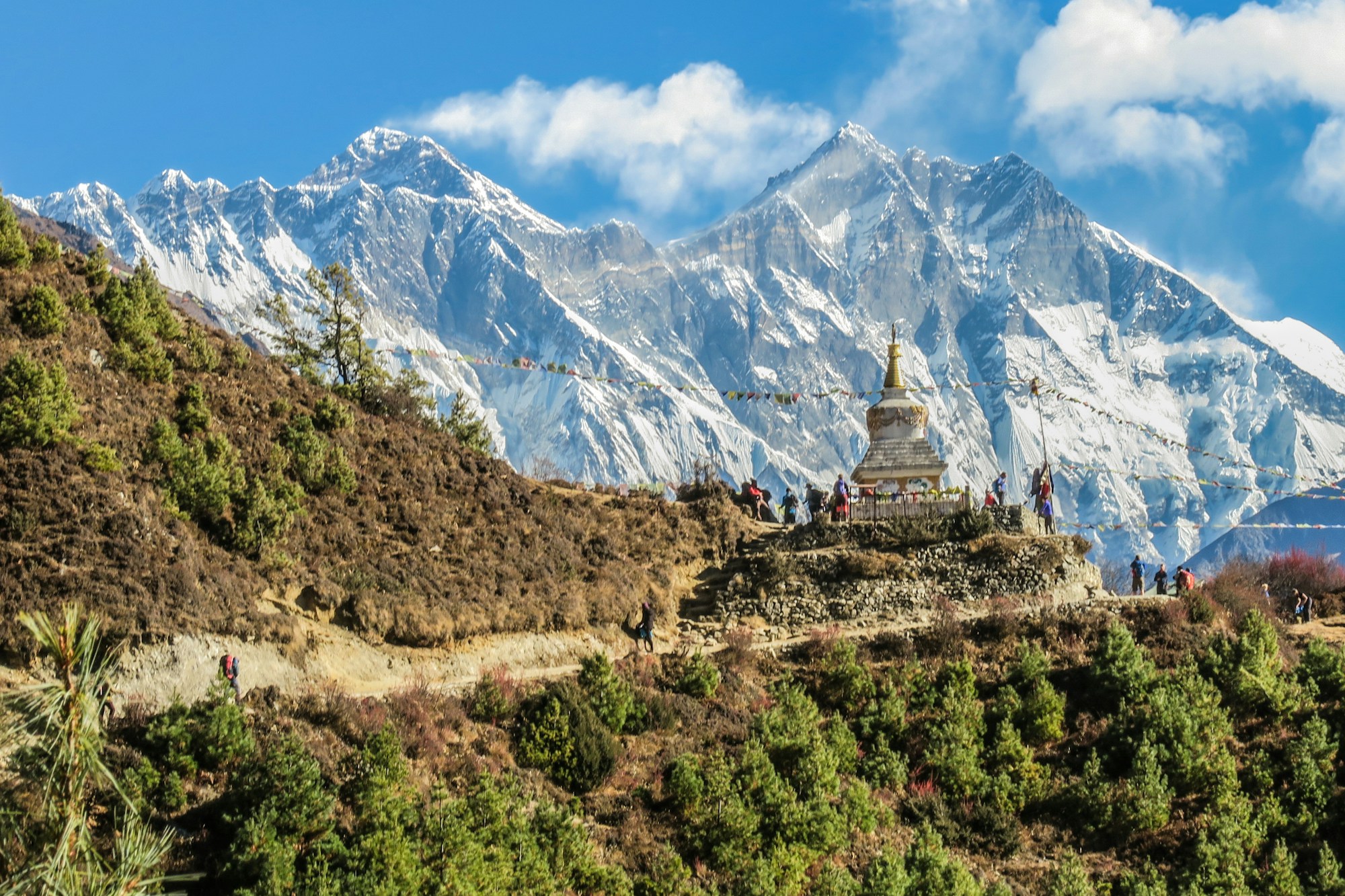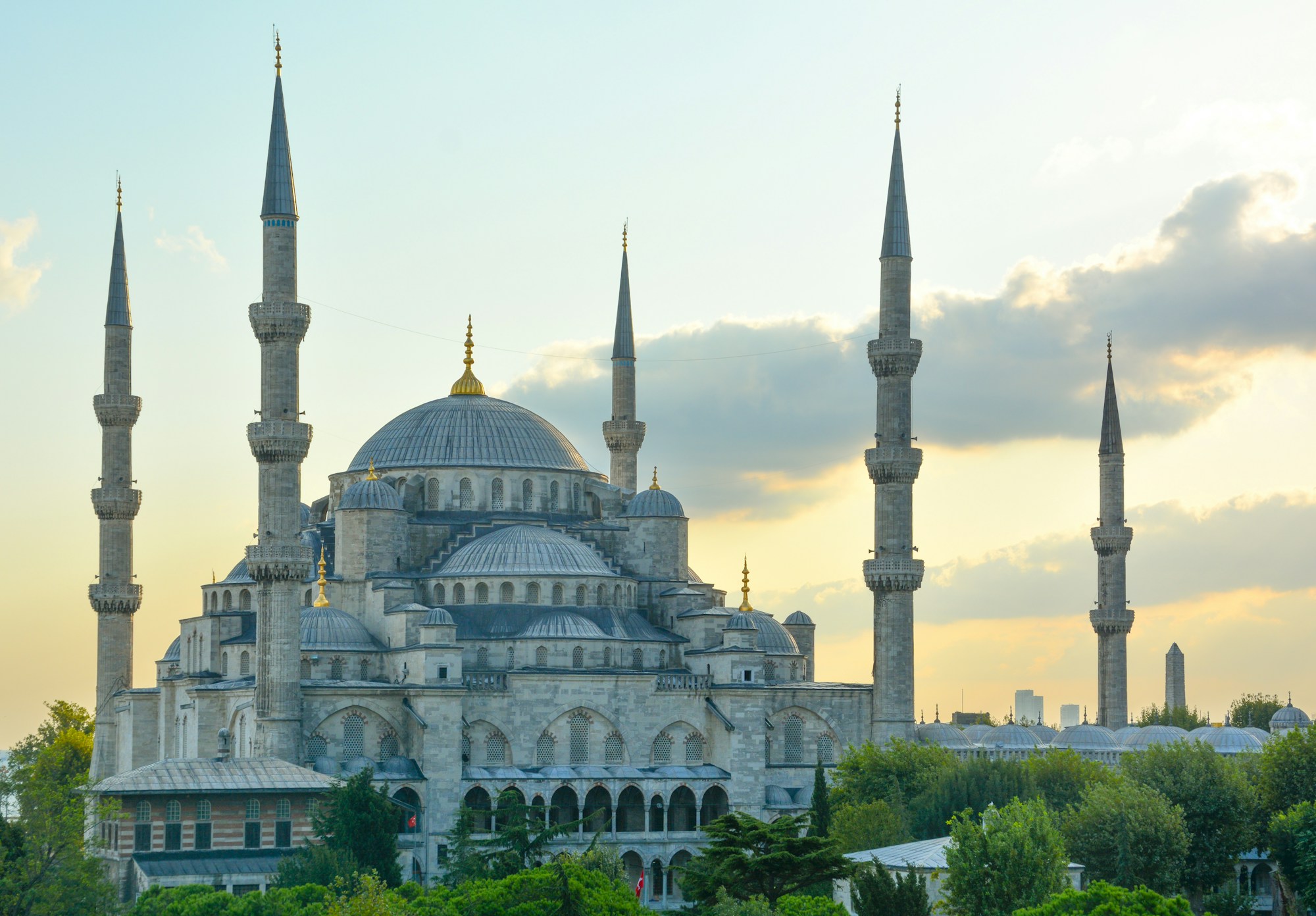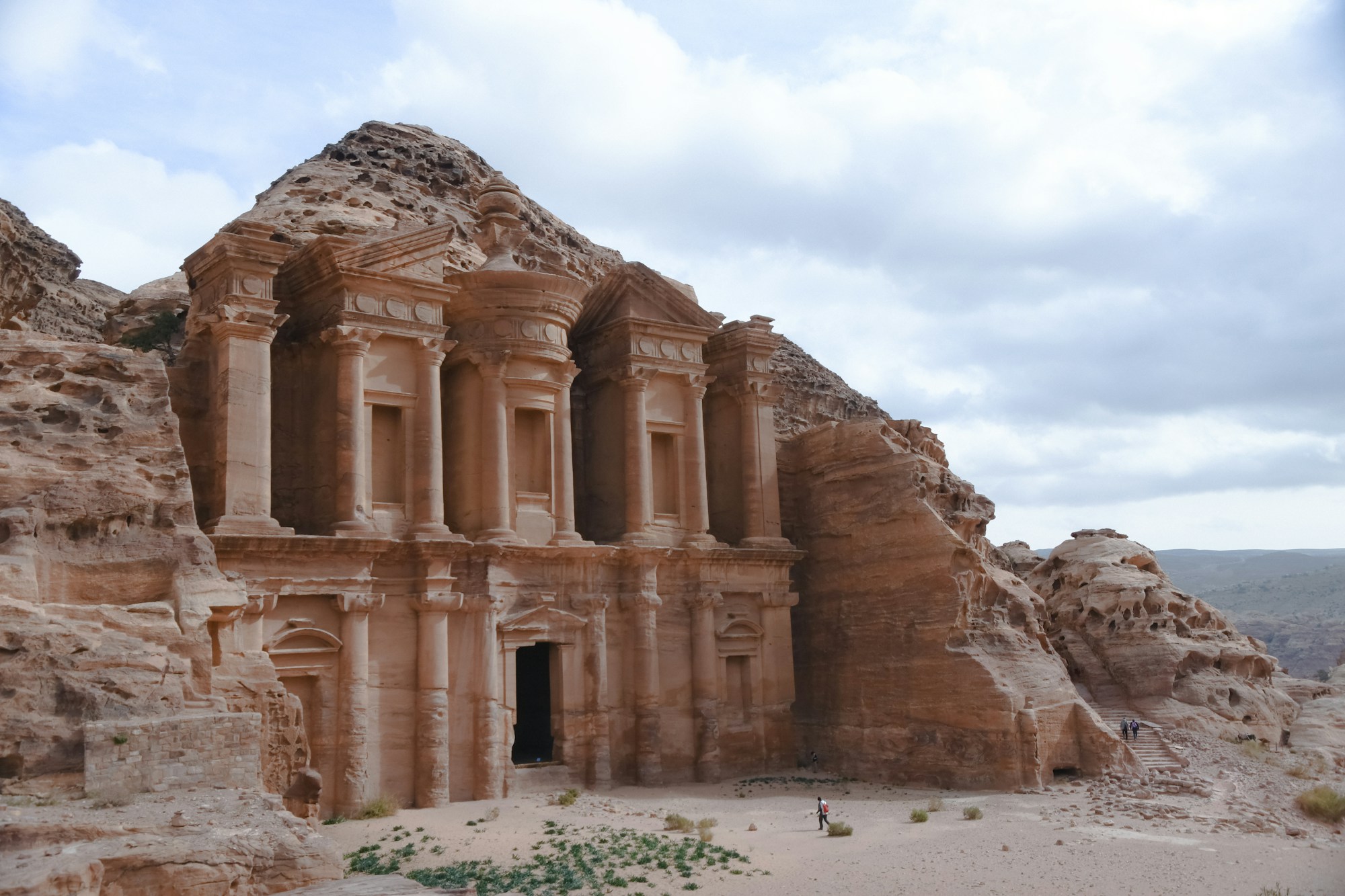

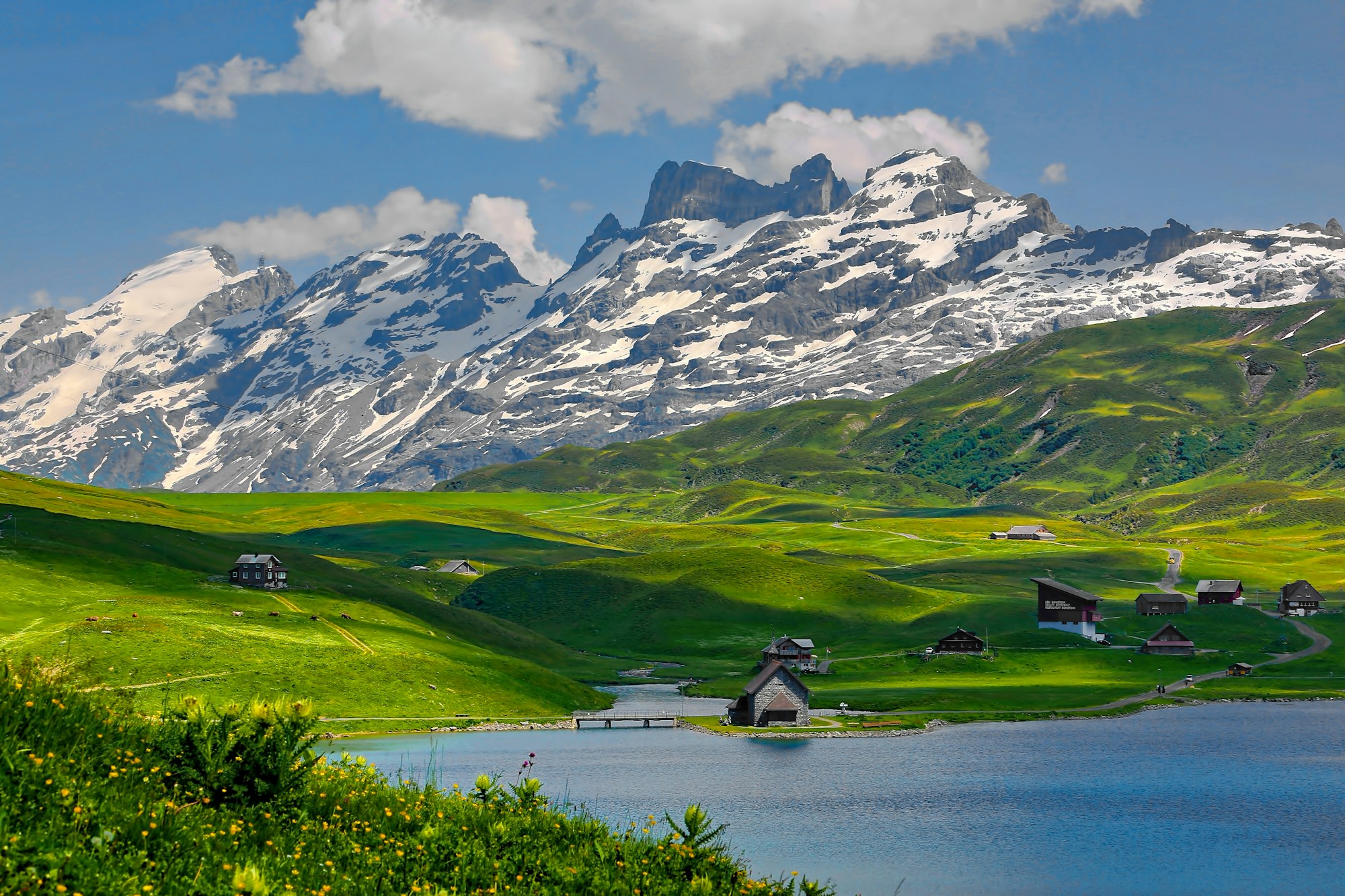
Awe is the hardest feeling to manufacture and the most consistent response to scale. The Matterhorn, the Annapurna range, the Serengeti at dawn with the sky still bruised from the night — these things work on you in a register that is distinct from pleasure or satisfaction. They recalibrate. You come back from them with a slightly adjusted sense of proportion, which is probably the most useful thing any holiday can do.
The trips we build around awe share a structural logic: they take you somewhere that is genuinely larger than yourself and then get out of the way. No over-scheduled day, no transfer that uses the best light hours, no hotel that turns its back on the view. The morning is protected. The viewpoint that requires an early start gets the early start. The thing you came for is the organising principle, and everything else serves it.
These are not the same as adventure travel, though they can overlap. You do not need to be fit or willing to suffer. The Annapurna range is completely visible from a hotel terrace in Pokhara. The Zermatt window is best when you do not have to earn it — when the train drops you in the village and the mountain is simply there. The experience of awe is available at most levels of physical exertion. What it requires is choosing, deliberately, to go somewhere big enough.