
Stillness is not emptiness. The most still trips we build are full — of detail, of quality, of the kind of attention that becomes possible only when the logistics have been handled and the day has no agenda. What they are empty of is friction, noise, decision, and the background anxiety of not being quite sure what happens next. That, it turns out, is most of what people are paying for when they say they want to relax.
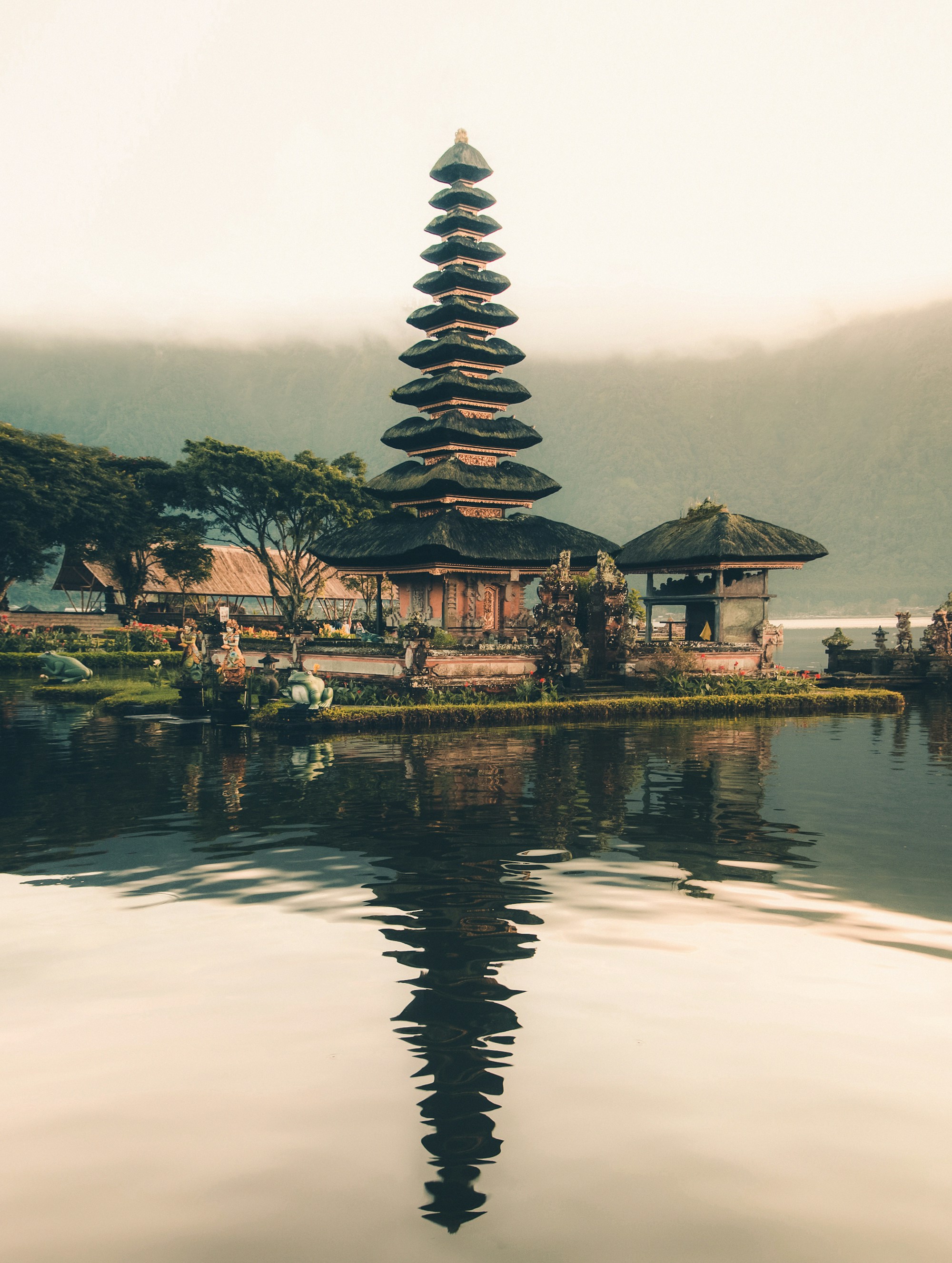
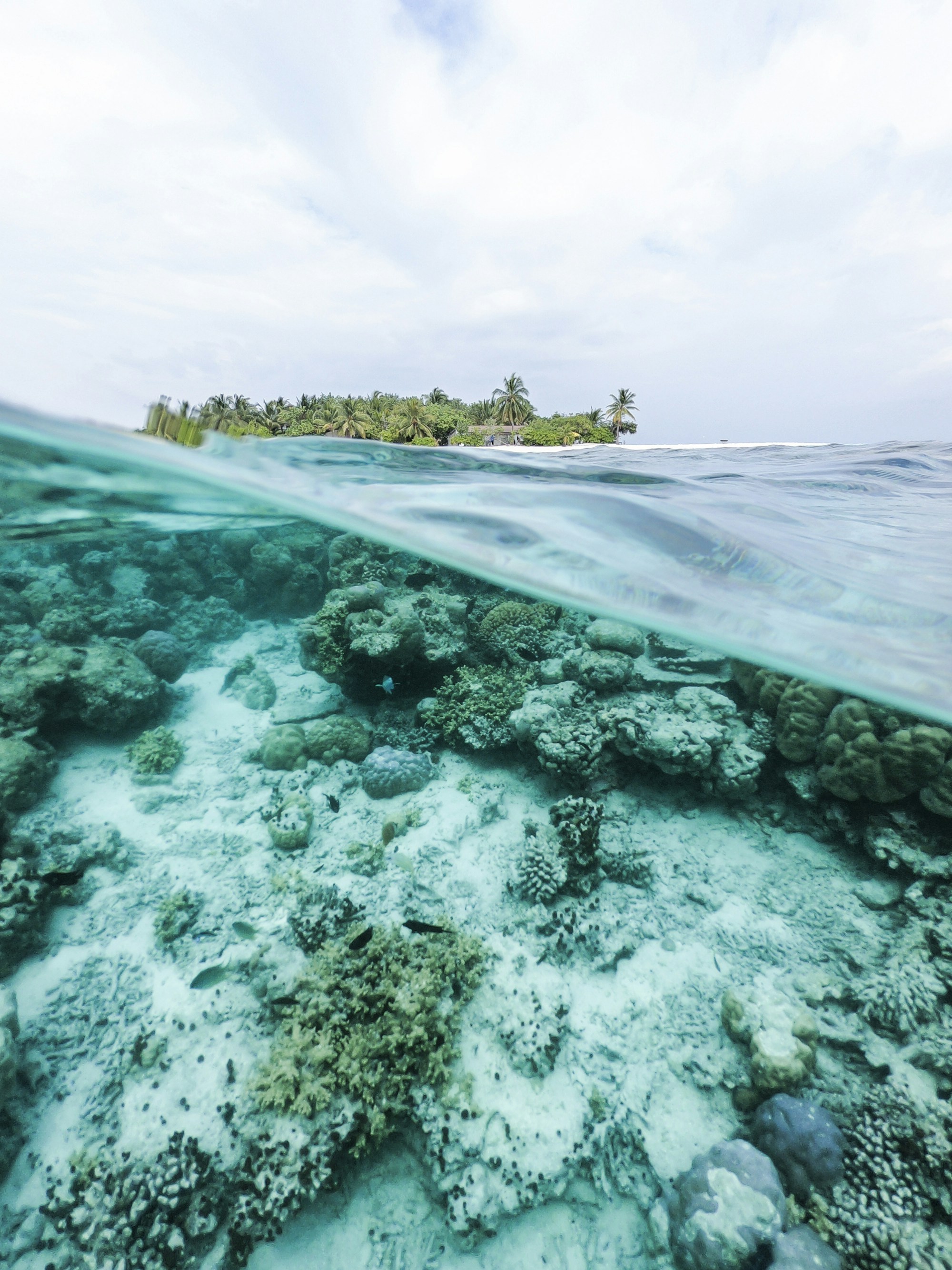
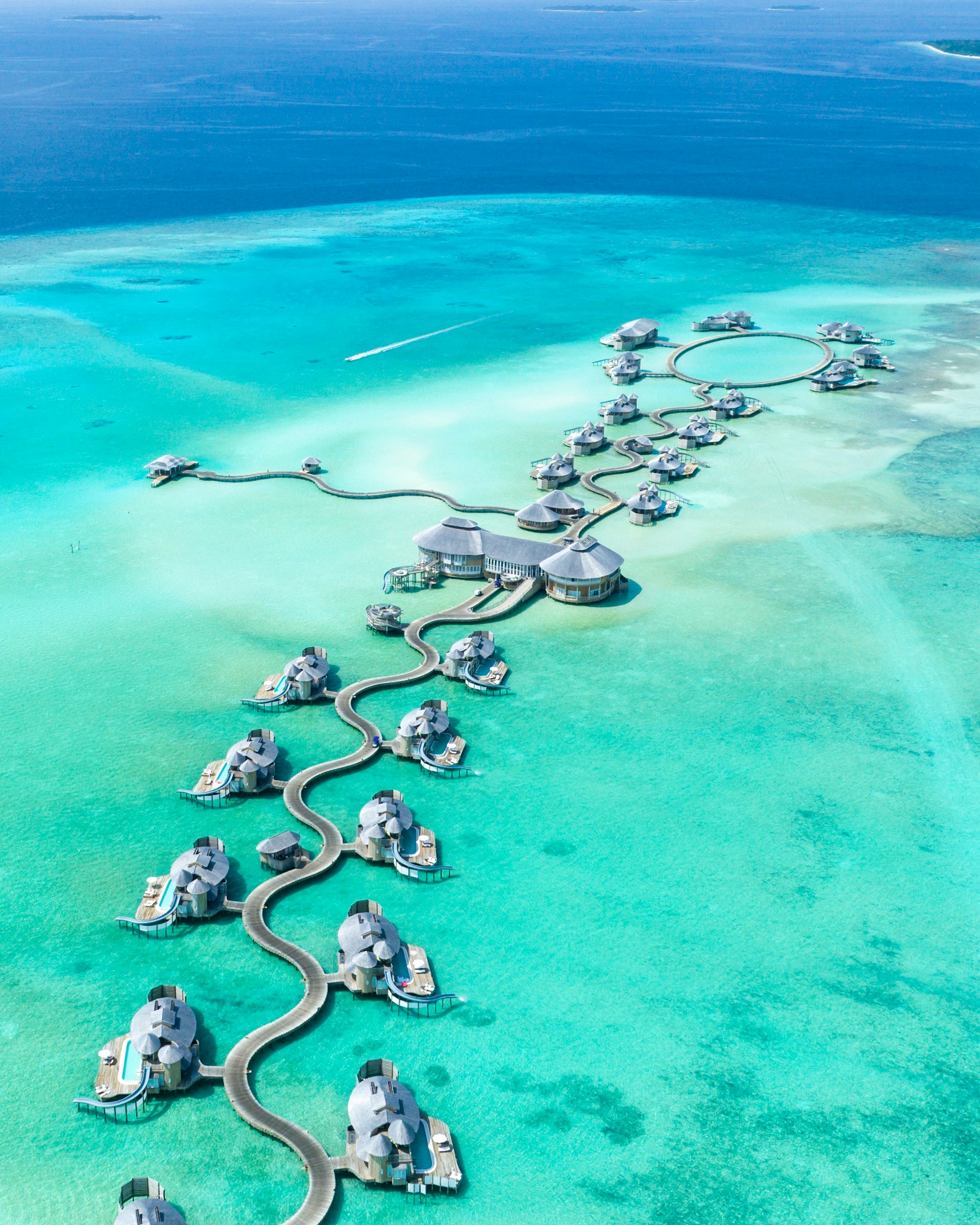
The destinations that best serve stillness share an architecture of privacy. The Maldivian over-water villa has no neighbours in sight. The Soneva Fushi garden room is deep enough in the property that the only sound is the reef. The Amankora lodge sits above its valley with no other building visible. Oman's Alila Jabal Akhdar hangs on a cliff over a gorge, 2,000 metres above the coast, and the silence at altitude is of a different quality from silence at sea level. These places were designed to minimise distraction. That is a sophisticated design intention, and it produces a specific physical effect.
The stillness trip requires the most careful planning of any type, because its enemy is the transition. A day filled with transfers, missed connections, a check-in desk that doesn't have the booking, a room that faces the wrong way — any of these collapses the stillness before it begins. We build these trips with more buffer, more specification, and more advance briefing than any other kind, because the point is to land in the destination and immediately feel it. The work that makes that possible should be completely invisible by the time you arrive.