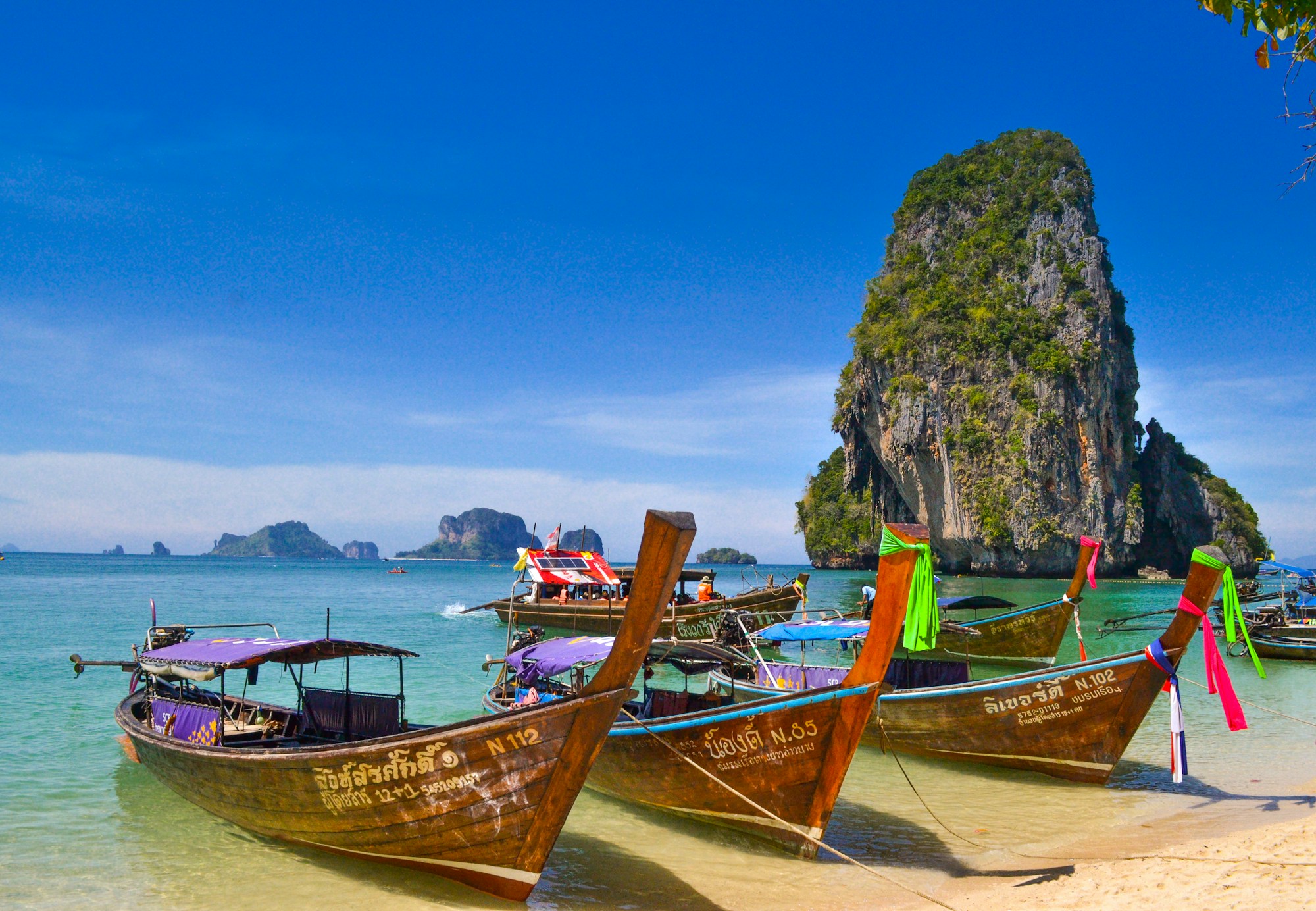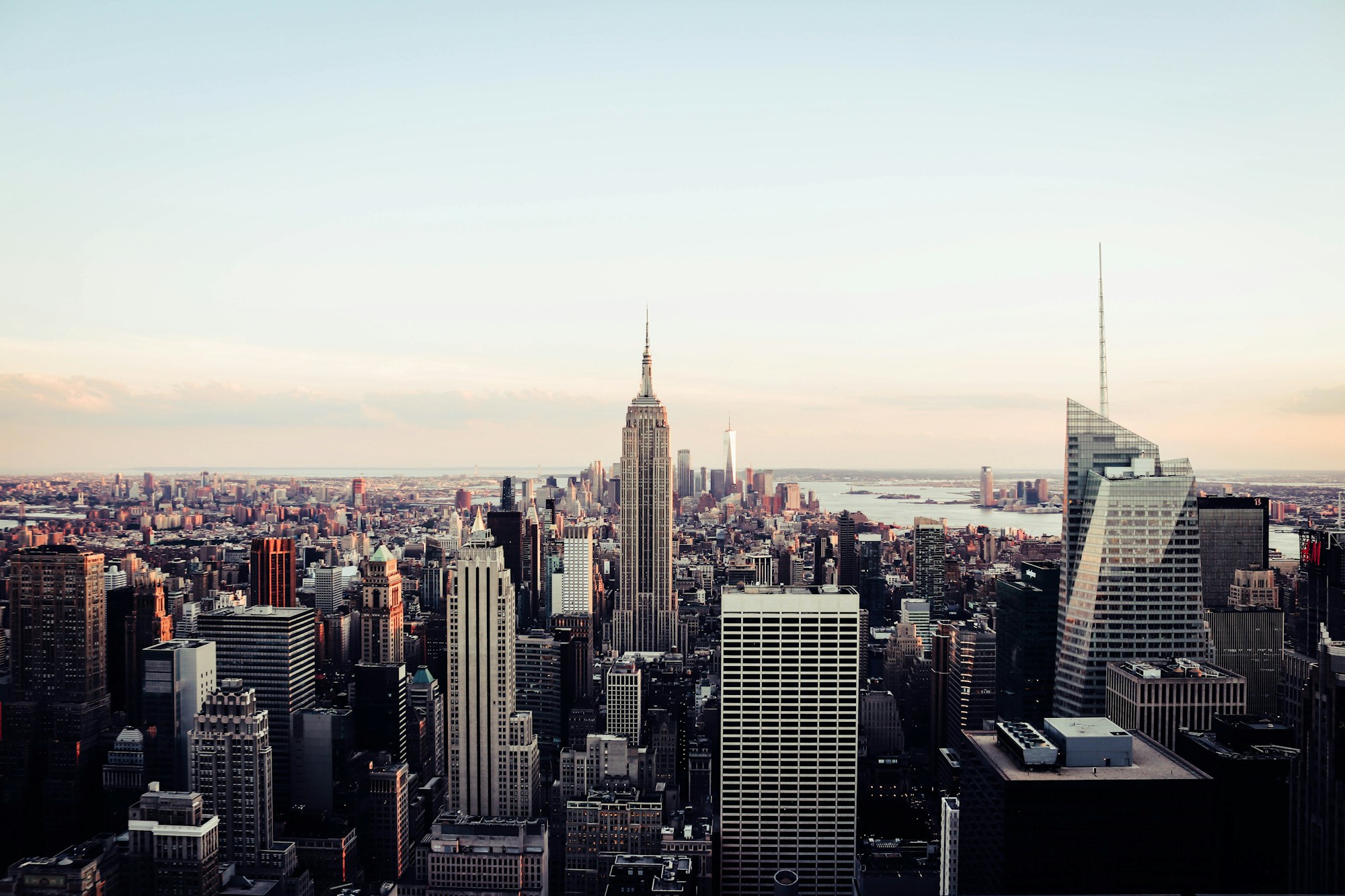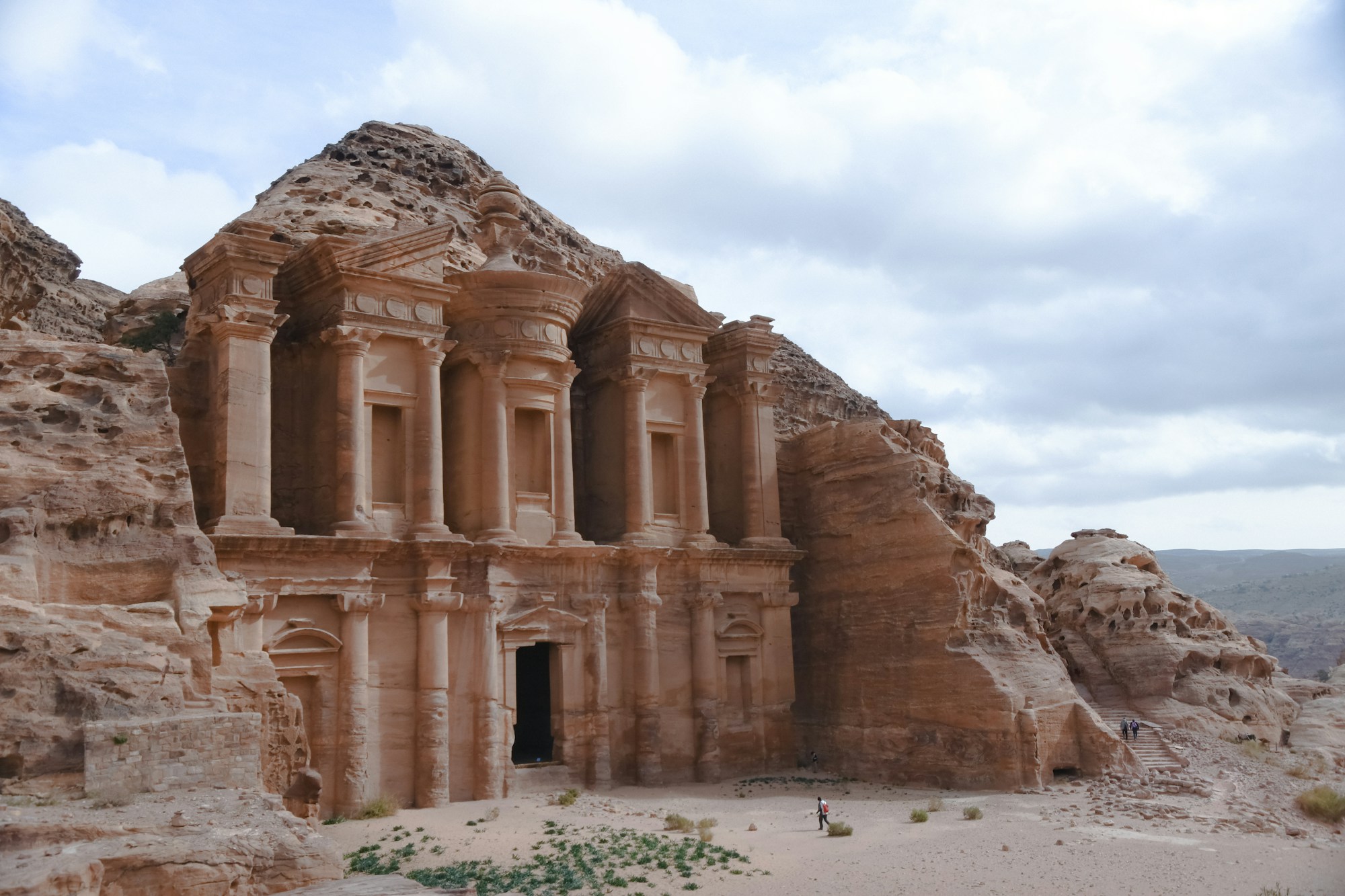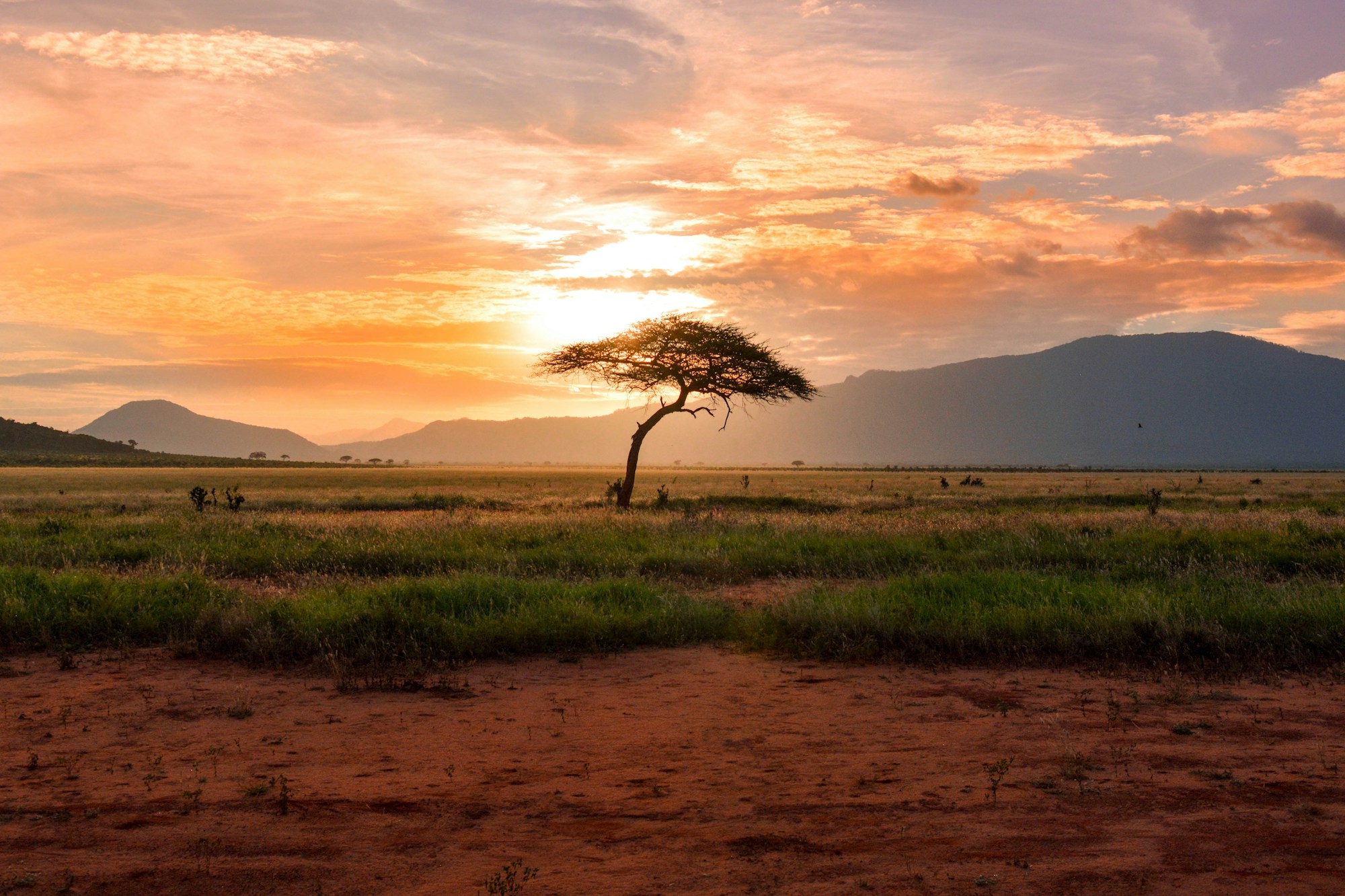

Alive is the feeling you get when the trip is not a backdrop but a participant. The wildebeest crossing the Mara River in August is not scenery — it is an event, unscripted and enormous, happening around you rather than for you. Bangkok at eleven at night is the same city at a different frequency, the street food still going, the tuk-tuks and the river and the temples lit from outside and the sense that the city has its own agenda and is generous enough to let you inside it. The Amalfi coast road with a driver who knows every corner. Wadi Rum at the hour the sandstone turns amber. These experiences require presence rather than passivity.
The alive trip has a different design problem from the stillness trip. The stillness trip must protect its quiet — must buffer out the friction and the noise. The alive trip must choreograph its energy — must put you in the right place at the right time rather than leaving you to find the right place alone. The Mara river crossing happens at certain bends in the river at certain tidal moments and the guide who knows which bend is the variable. Bangkok at its best requires a local who knows which street has the right restaurant tonight, not the one that was right last year. The energy of a place is accessible; finding it without help is a matter of considerable luck.
These trips also require a different kind of pacing — enough time in each place to feel the rhythm of it, not so much that the energy becomes familiar before you leave. Three nights in Bangkok, not one. Two nights in Wadi Rum, not four. The alive trip is not about staying until the energy exhausts itself; it is about leaving when it is at its peak, so the memory is saturated rather than depleted. We build these with a different kind of care than the stillness trip, and the care is less visible but just as real.