

Journal · Destinations
Amalfi: June or September
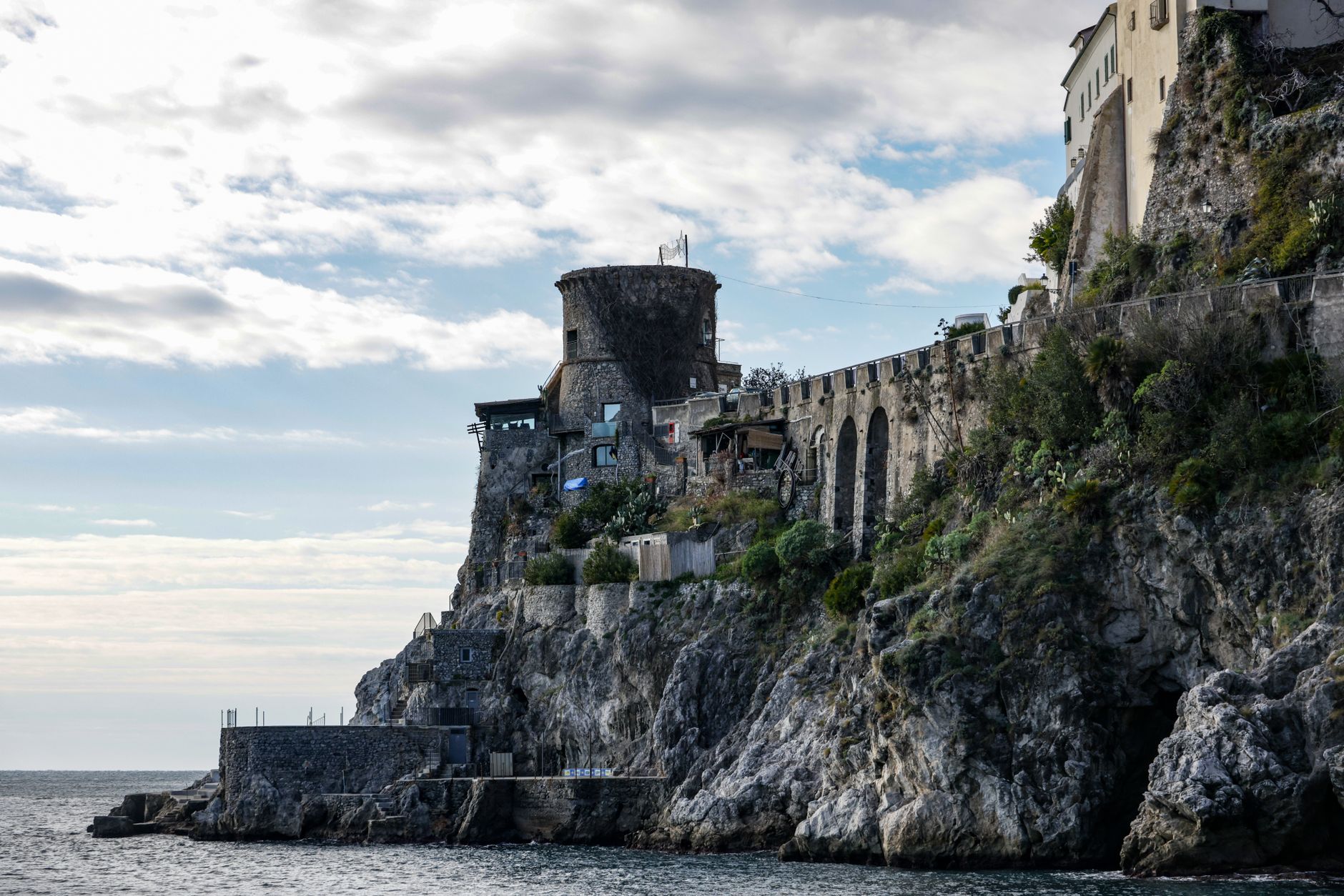
The Amalfi Coast runs for about 50 kilometres between Salerno and Sorrento. In August, those 50 kilometres contain more people than a small city, moving slowly, mostly in one direction, on a road that was built for mules. In June and September, it is one of the most beautiful coastal drives in the world. The weather is the same. The coast is the same. The month is everything.
June
The season opens in mid-May and June is its premium version: the hotels have their full staff, the restaurants have their full menus, the lemon groves are heavy, and the sea temperature is rising through 22 degrees. The light is long — sunset after 8:30 p.m. — which means the terrace dinners that are the coast’s main entertainment begin at a civilised hour and extend late without anybody feeling rushed. The main negative: the school holiday crowd begins arriving in the final week of June, so the earlier in the month, the better.
September
September is the coast’s best-kept secret. The sea is at its warmest — 26 degrees in the first two weeks. The restaurants, which spent August serving tourists who were passing through, are now serving guests who are staying, and the difference in the quality of the dinner is measurable. The towns have their light back: the afternoon sun at a lower angle, the October haze beginning to arrive, the kind of late-summer quality that professional photographers schedule specifically.
“In September, restaurants that spent August turning tables are now serving guests who are staying.”
The second week of September is the specific recommendation. The August crowd has returned to work. The weather holds reliably through September and often into the first week of October. The rates are marginally lower than August peak. If you are going once, go in the second week of September.
Basing
Positano is the photograph: the stacked pink and white buildings, the church, the beach. It is also the most visited town on the coast and the one with the most vertical walking — the hotel may be up stairs that a suitcase does not negotiate gracefully. Positano works best for couples who want the quintessential image and are physically comfortable with the topography. Ravello, up on the ridge above the coast, is quieter, cooler, and has views that exceed anything from sea level — it’s the right answer for travellers who want to look at the coast rather than be in the thick of it. Praiano, between the two, is the quiet alternative that the Italian summer crowd has started to discover but hasn’t yet overwhelmed.
The drive
Hire a driver. Not because the road is impossible — it’s manageable, technically — but because the experience of driving it is incompatible with the experience of looking at it. The road is single-lane in places and requires full attention. Your driver’s attention is on the road; yours is on the water, the villages, the boats below. These are different activities and only one produces the memory.
Go in the second week of September, base in the village that suits your knees, and let someone else watch the road. The Amalfi Coast is one of the great drives on earth — but only when you’re the one looking out of the window.
Mentioned in this piece
Milos: worth the extra ferry
Santorini, without the crowd