

Journal · Destinations
Luang Prabang, while it’s still Luang Prabang
There is a road currently under construction between China and the Mekong River that will eventually connect Luang Prabang more directly to the Chinese tourism infrastructure that has transformed every other UNESCO town in the region. It hasn’t opened yet. Go while it hasn’t.
What it is
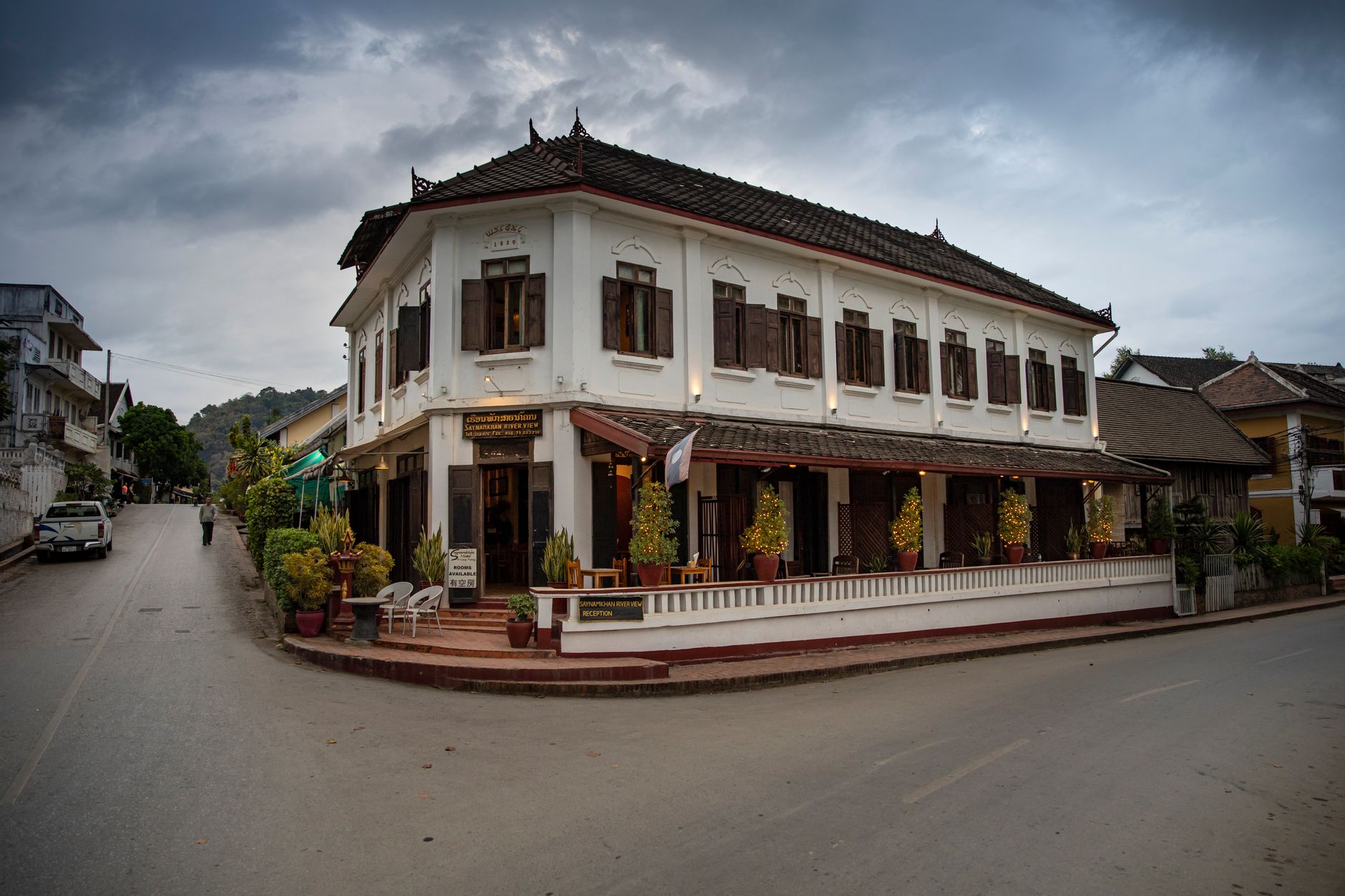
Luang Prabang is a small city — a peninsula, really — at the confluence of the Mekong and Nam Khan rivers in northern Laos. The old town is a grid of French colonial administrative buildings, Buddhist temples, and teak-and-brick monastery complexes. It has been designated a UNESCO World Heritage Site since 1995, which has both preserved its physical character and attracted the boutique hotel industry that now lines the river.
What UNESCO preservation cannot fully account for is the quality of the light and the silence. Luang Prabang in the early morning, when the monks process through the lanes for the tak bat alms-giving ceremony, is one of the few places in Southeast Asia where the tourist experience and the actual place are still in rough proportion to each other. The ceremony is genuine; the monks are real. The presence of spectators with cameras is real too, and the monks process through it with the equanimity their training produces.
The tak bat
The alms-giving ceremony begins before dawn and moves through the old town lanes for about forty-five minutes. The etiquette is clear and consistently violated: maintain distance, no flash photography, no touching, no loud instruction. The travellers who participate by offering alms do so with sticky rice purchased the evening before from a market vendor who will explain the protocol. Watch from a distance or participate quietly; the middle option — following with a large lens at two metres — is the option the monks and the morning most resent.
“What UNESCO cannot account for is the quality of the light and the silence.”
What else
The Kuang Si Waterfall, a series of turquoise terraced pools in the forest fifteen kilometres from town, is the obvious morning trip and is excellent: the colour of the water is specific to the limestone filtration and is not an effect of tourism photography. The bear sanctuary adjacent to the falls takes rescued Asiatic black and sun bears from the illegal wildlife trade; it is operated with genuine care and visits are part of a responsible tourism programme.
The night market, which runs the length of the main road from early evening, sells the craft textiles that Luang Prabang is producing or curating from the surrounding villages: hand-woven silk, mulberry paper, indigo-dyed cotton. It is the best craft market in mainland Southeast Asia and operates at prices that reflect a local rather than an international market.
Getting there and when
Bangkok to Luang Prabang by the Lao Airlines or Bangkok Airways regional service, one hour. Or the new Laos-China high-speed railway from Vientiane, an experience in its own right. The window is November to March; April and May are hot; June to October, the monsoon makes the countryside photogenic and the roads uncertain. The best month is November: the rains just ended, the rice harvest is in, the light is soft and the landscape is green and gold simultaneously.
Go to Luang Prabang now, while it is still itself — before the new road delivers the version of itself that every other UNESCO town in the region has already become. The window is open. It will not stay open.