
The United States requires the visa conversation first, every time, without exception. The B-1/B-2 tourist visa for Indian passport holders can take several months from application to issuance in peak season, and a trip that is not planned around that timeline is a trip that does not happen. Start the application as soon as the trip is conceivable — the visa is valid for ten years once issued, so the effort is a long-term investment rather than a single-trip cost. We raise this at the beginning of every US enquiry, before hotels or flights.
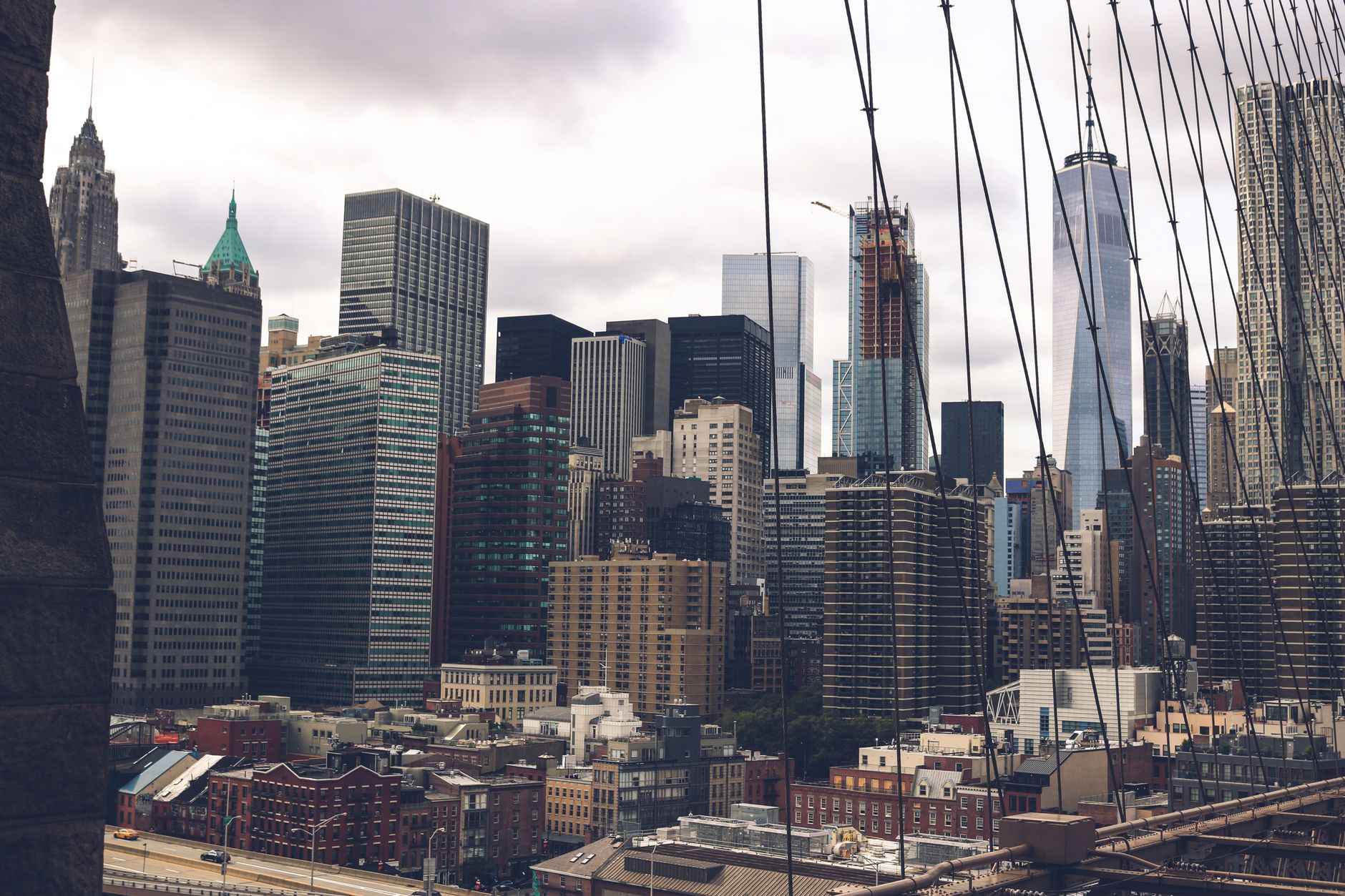
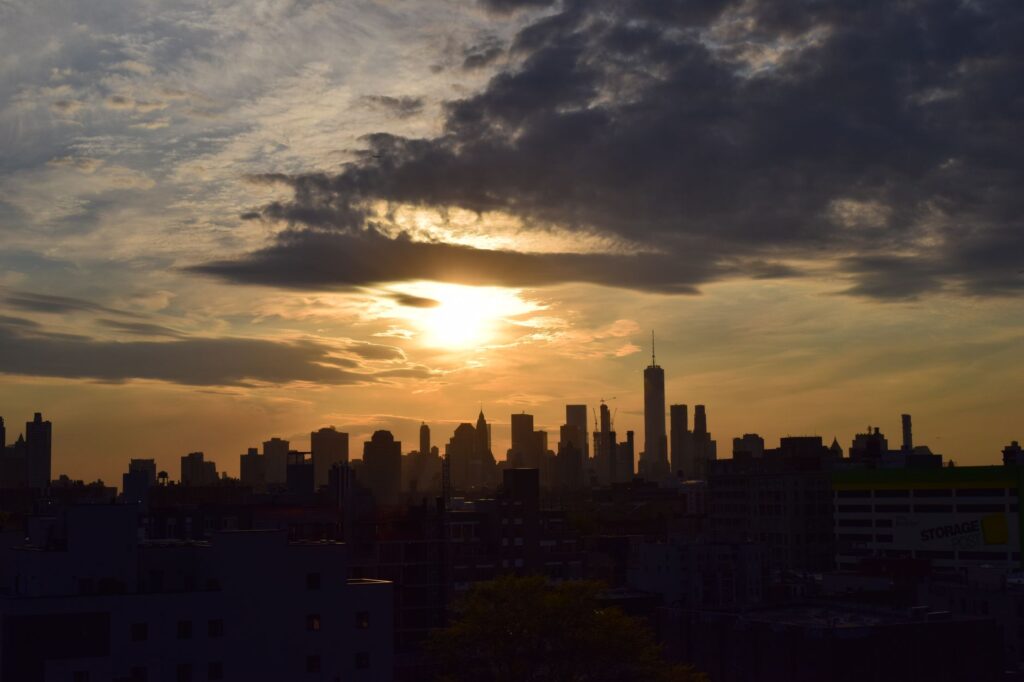
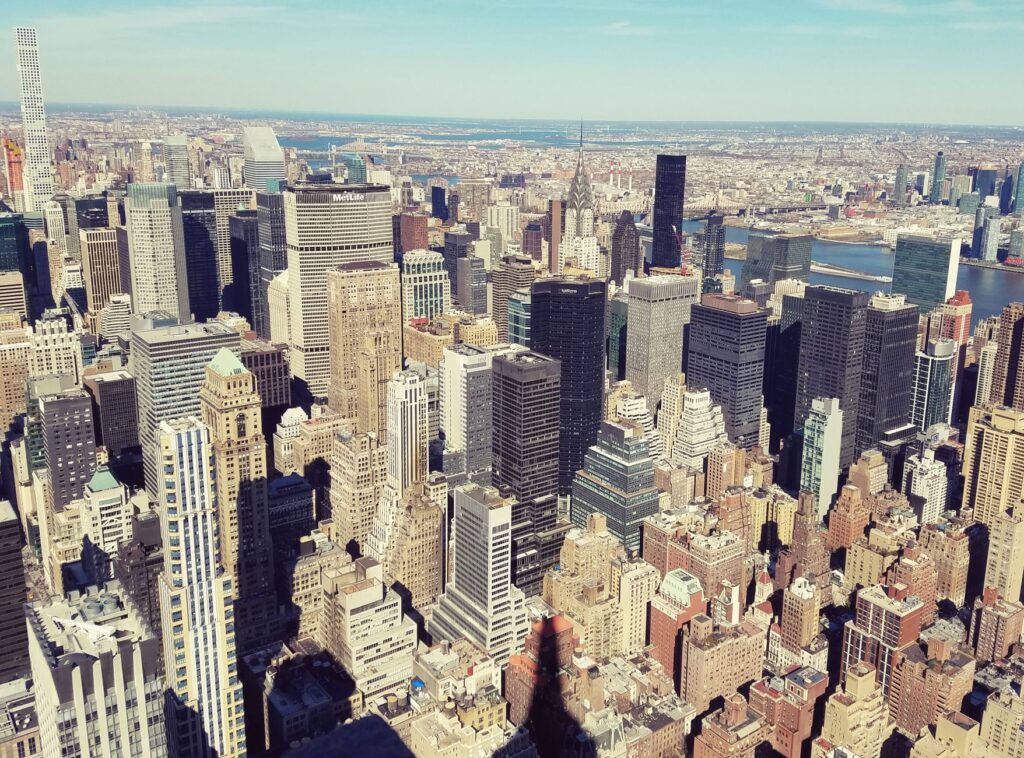
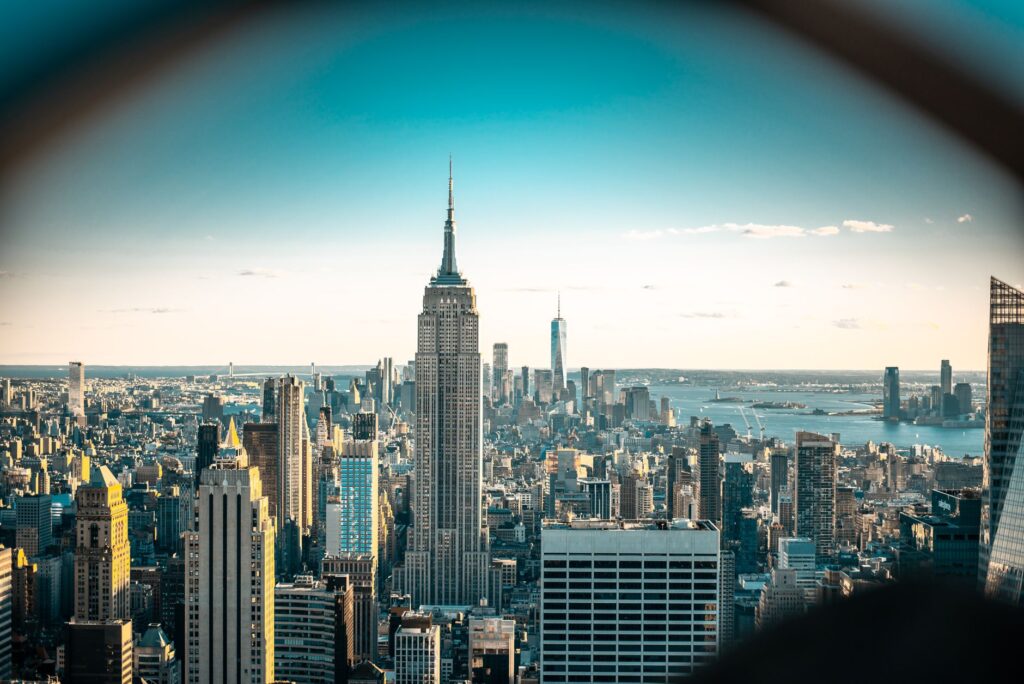
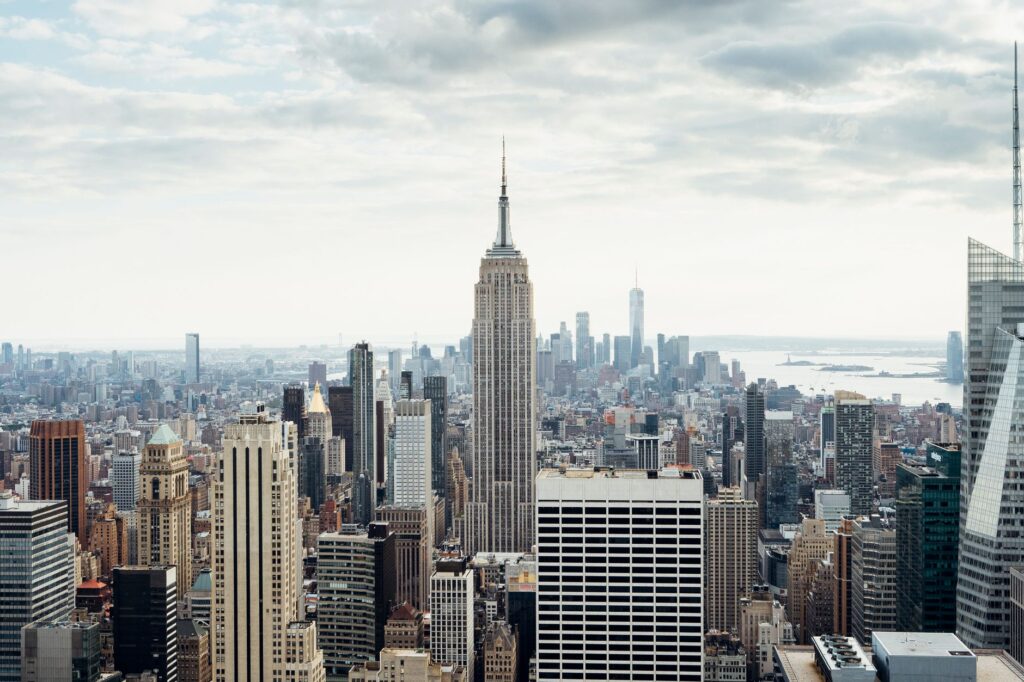
New York is the reason most Indian travellers go, and it earns it. The city operates at a frequency that rewards complete surrender to it — the Metropolitan Museum on a weekday morning when the Egyptian wing is empty, the High Line in October when the light is horizontal, the dinner in the West Village that begins at eight and ends when the restaurant closes around you. The Aman New York in the Crown Building is the most complete luxury hotel the city has produced; The Mark on 77th Street is the Upper East Side one. The neighbourhood question is the same one as in Paris: the Upper East Side, Tribeca, and the West Village are where New York lives; Midtown is where it works.
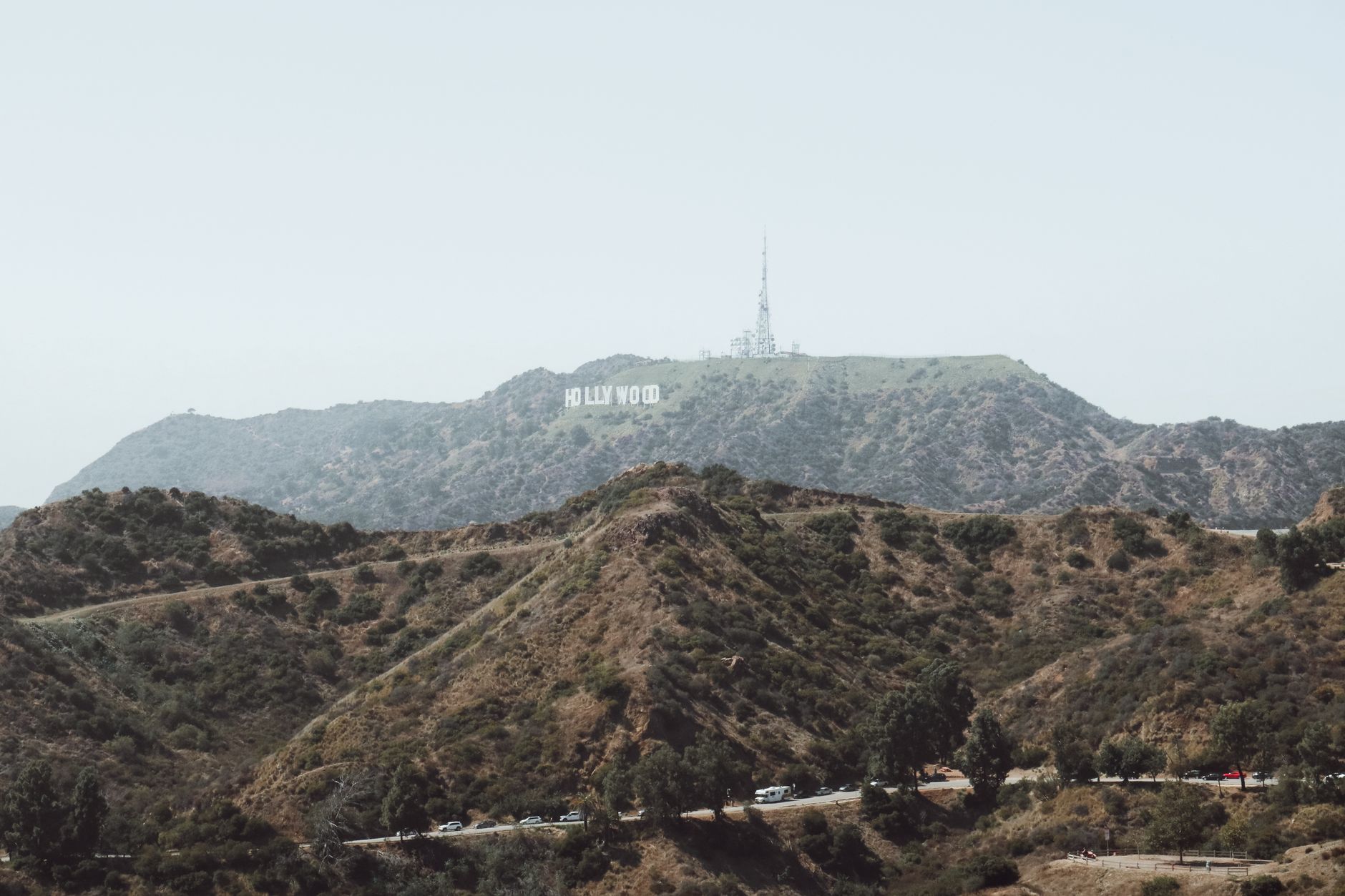
Los Angeles requires a different orientation entirely — it is a car city, the scale is enormous, and the best of it is found between the ocean and the canyons rather than in any particular neighbourhood. The Rosewood Miramar at Santa Monica and The Beverly Hills Hotel’s Polo Lounge are both genuine alternatives to Midtown thinking. Hawaii is the Pacific close — the Big Island’s volcanic coast at Four Seasons Hualalai is unlike any other place in the American portfolio.