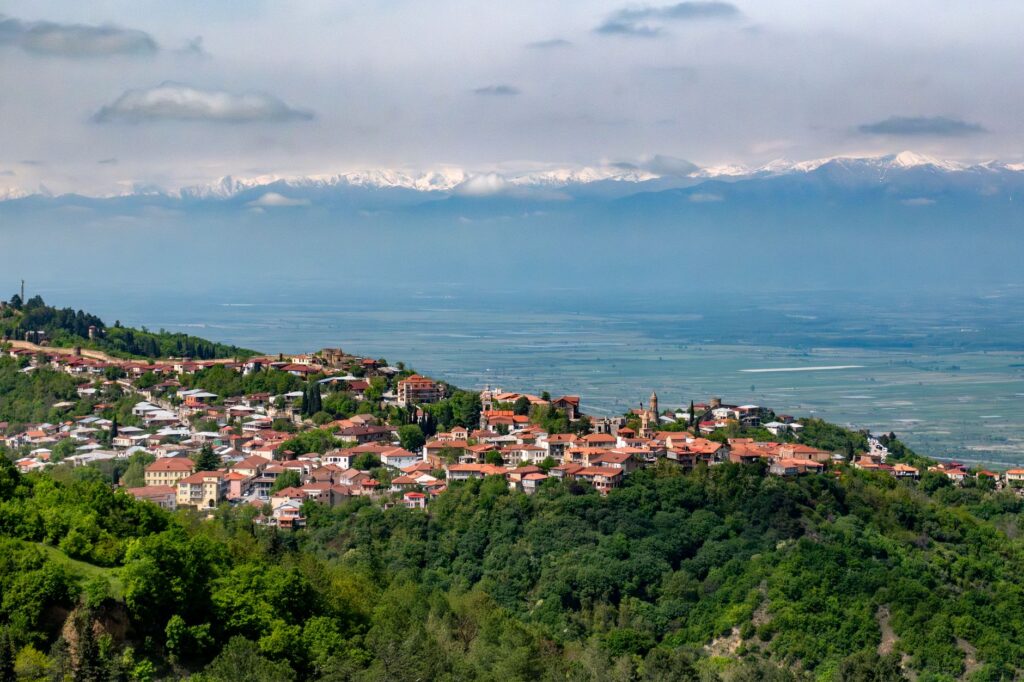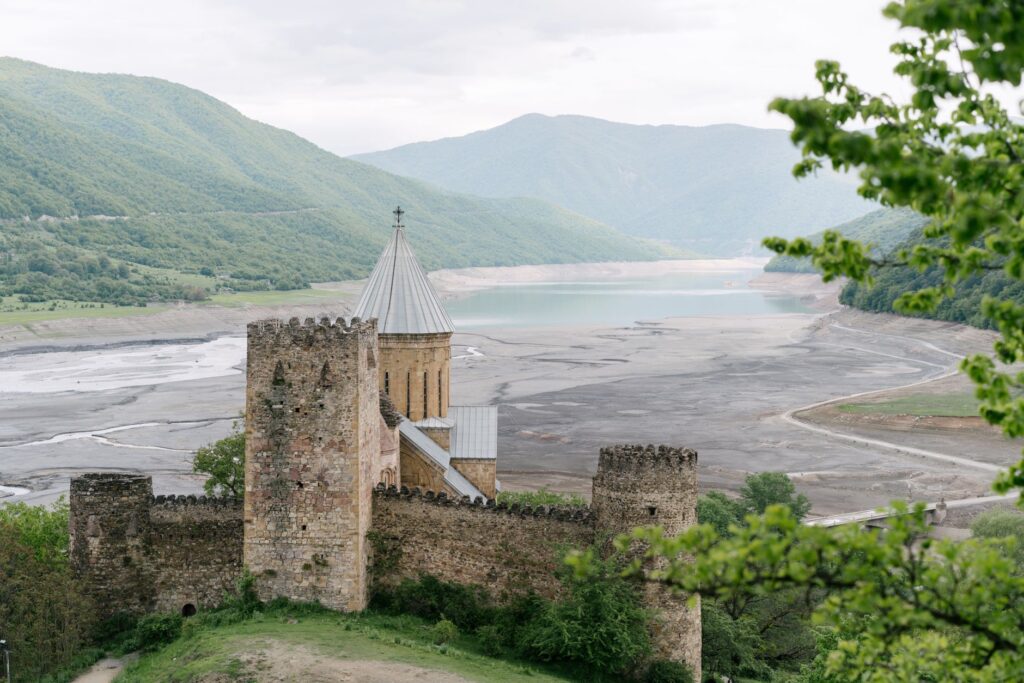

Georgia arrived as a destination for Indian travellers suddenly, and the speed of its adoption says something about what it actually offers. The visa is free for up to a year — not thirty days, a year — which makes it the most generous visa regime any significant destination offers Indian passport holders. The food is extraordinary, the wine culture goes back 8,000 years (the qvevri clay pots the Georgians ferment their wine in are a UNESCO intangible heritage), and the landscape shifts from subtropical coast to Caucasus peaks within a few hours. All of this for a price that, compared to Western Europe, seems almost apologetic.
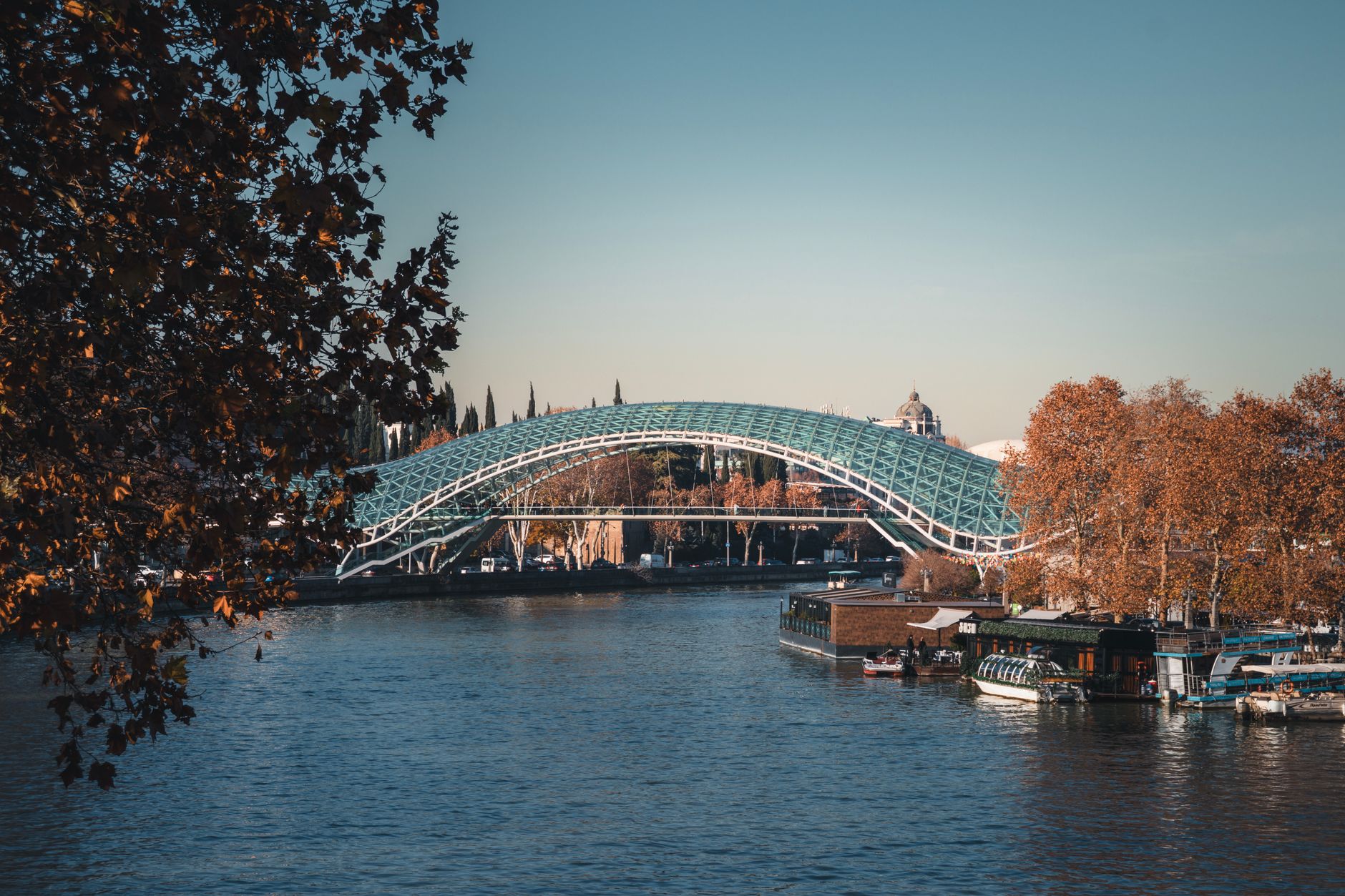
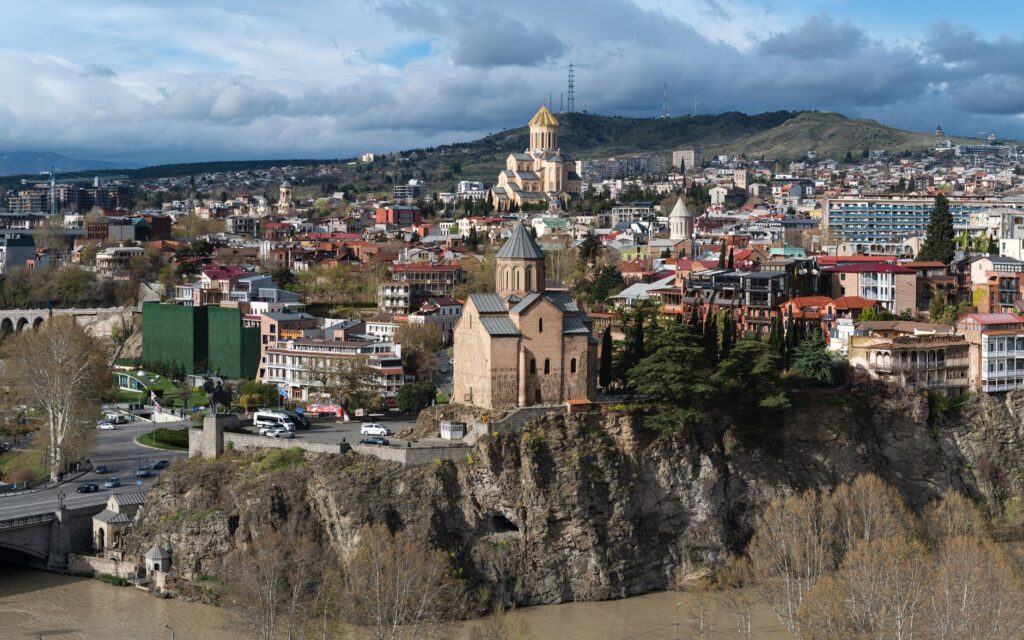
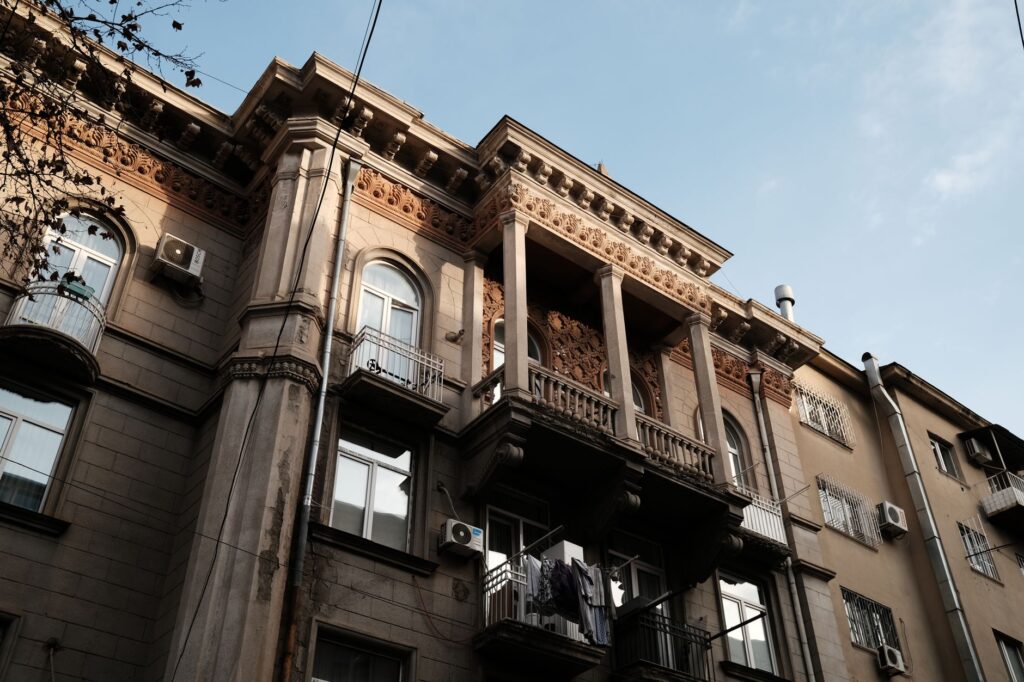
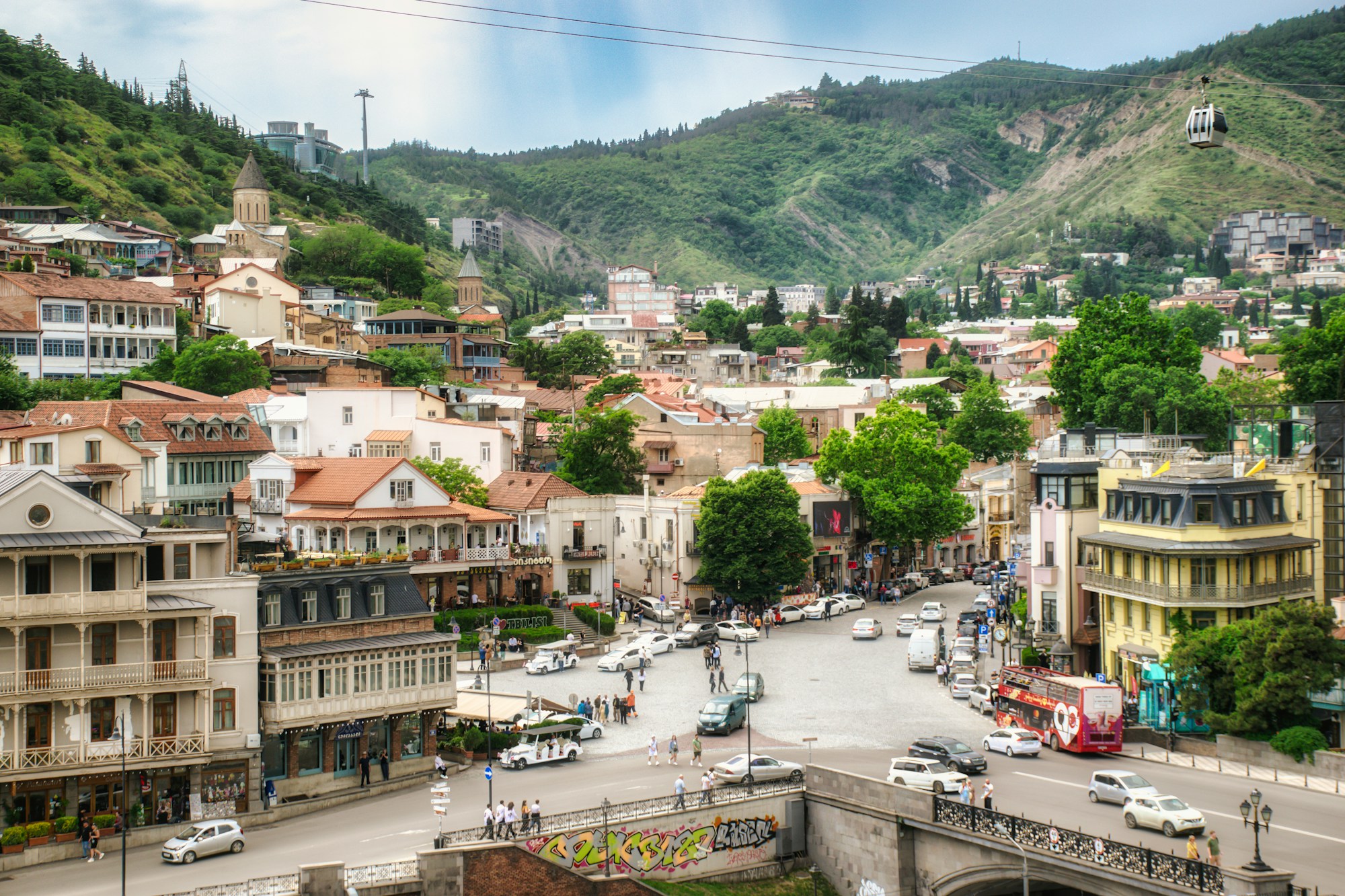
Tbilisi is the entry and the draw in its own right. The old town is a tangle of carved wooden balconies above the Mtkvari River, the sulfur bath district (Abanotubani) is genuinely functional — Pushkin and Alexandre Dumas both wrote about bathing here — and the restaurant and natural wine scene has become genuinely serious in the past five years. The Narikala fortress above the city, the covered Dry Bridge market, the futurist Peace Bridge over the river: Tbilisi rewards walking more than almost any city of its size. Rooms Hotel Tbilisi is the address that understands the city best.
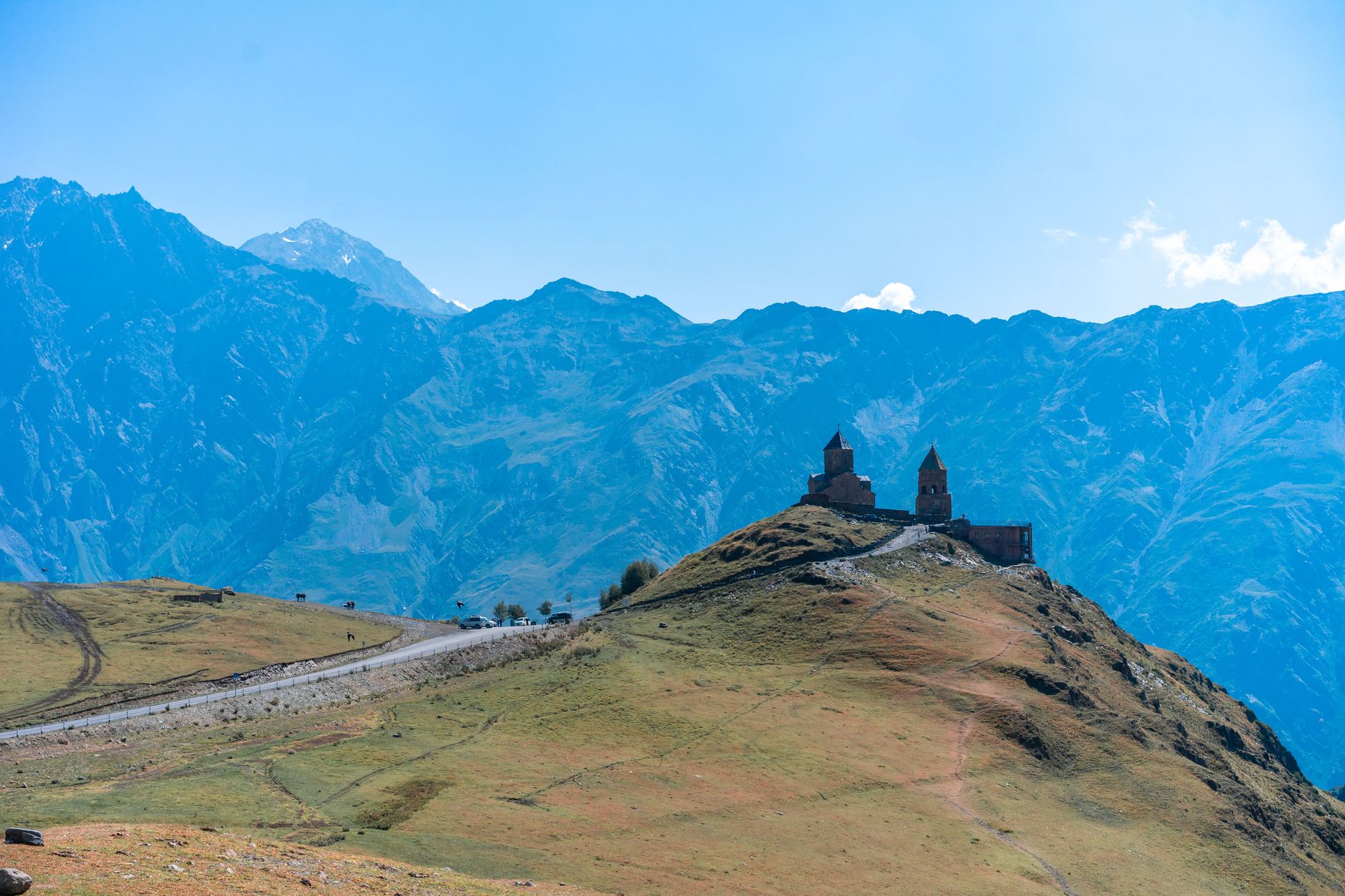
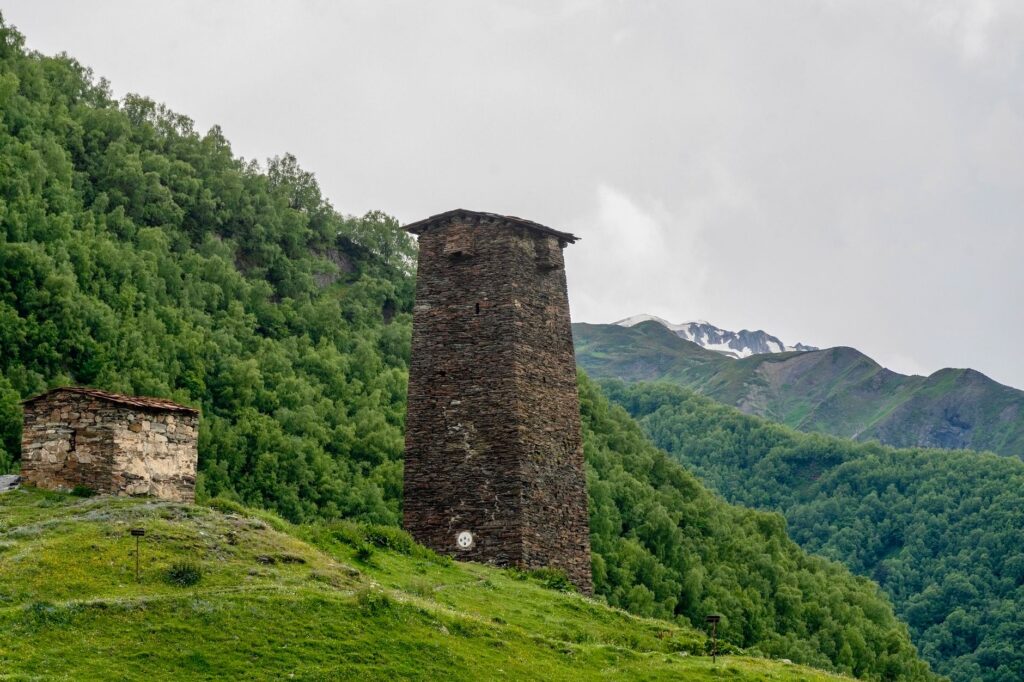
Kazbegi is the three-hour drive north on the Georgian Military Highway, through the Dariali Gorge and up to the mountain village of Stepantsminda where Rooms Hotel Kazbegi sits on a hill below the Gergeti Trinity Church. The church, on its cliff at 2,170m with Mount Kazbegi (5,047m) behind it, is one of the most composed landscapes in the Caucasus — made and unmade by the light and the cloud several times on any single afternoon. One night here is enough; two nights is better. The mountain road closes in winter.