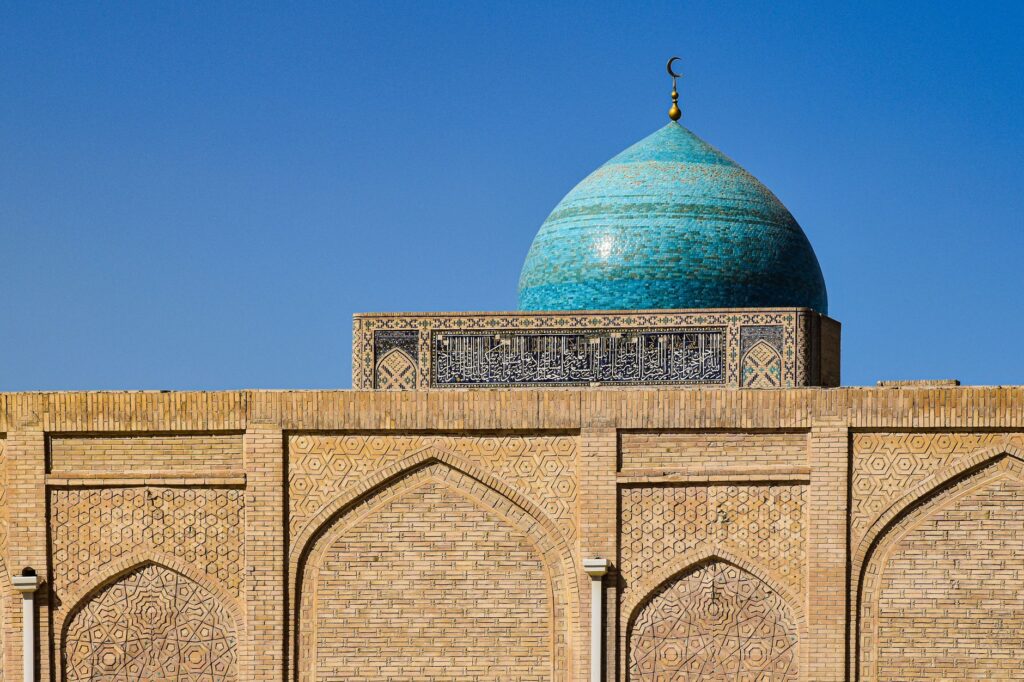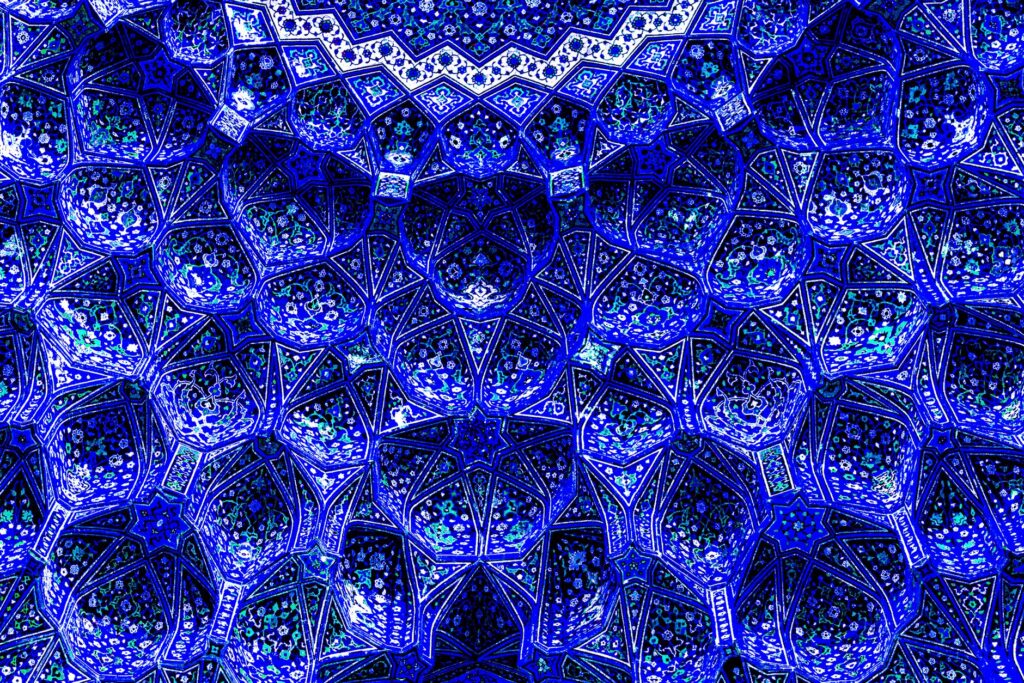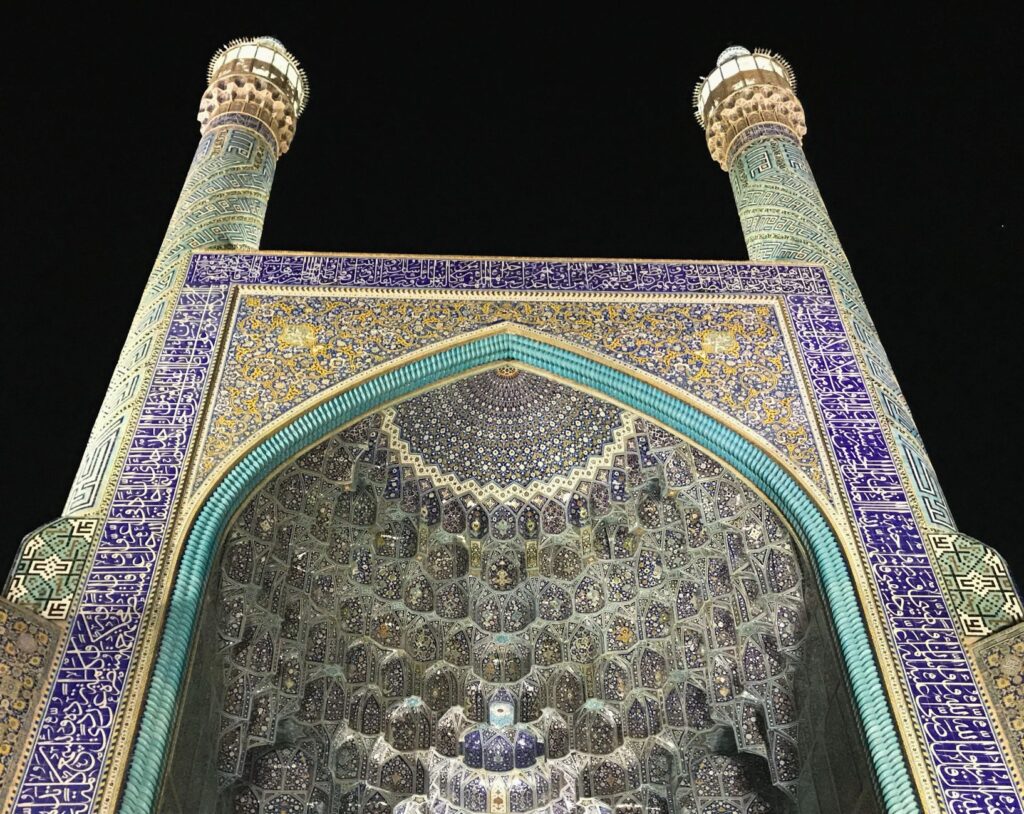

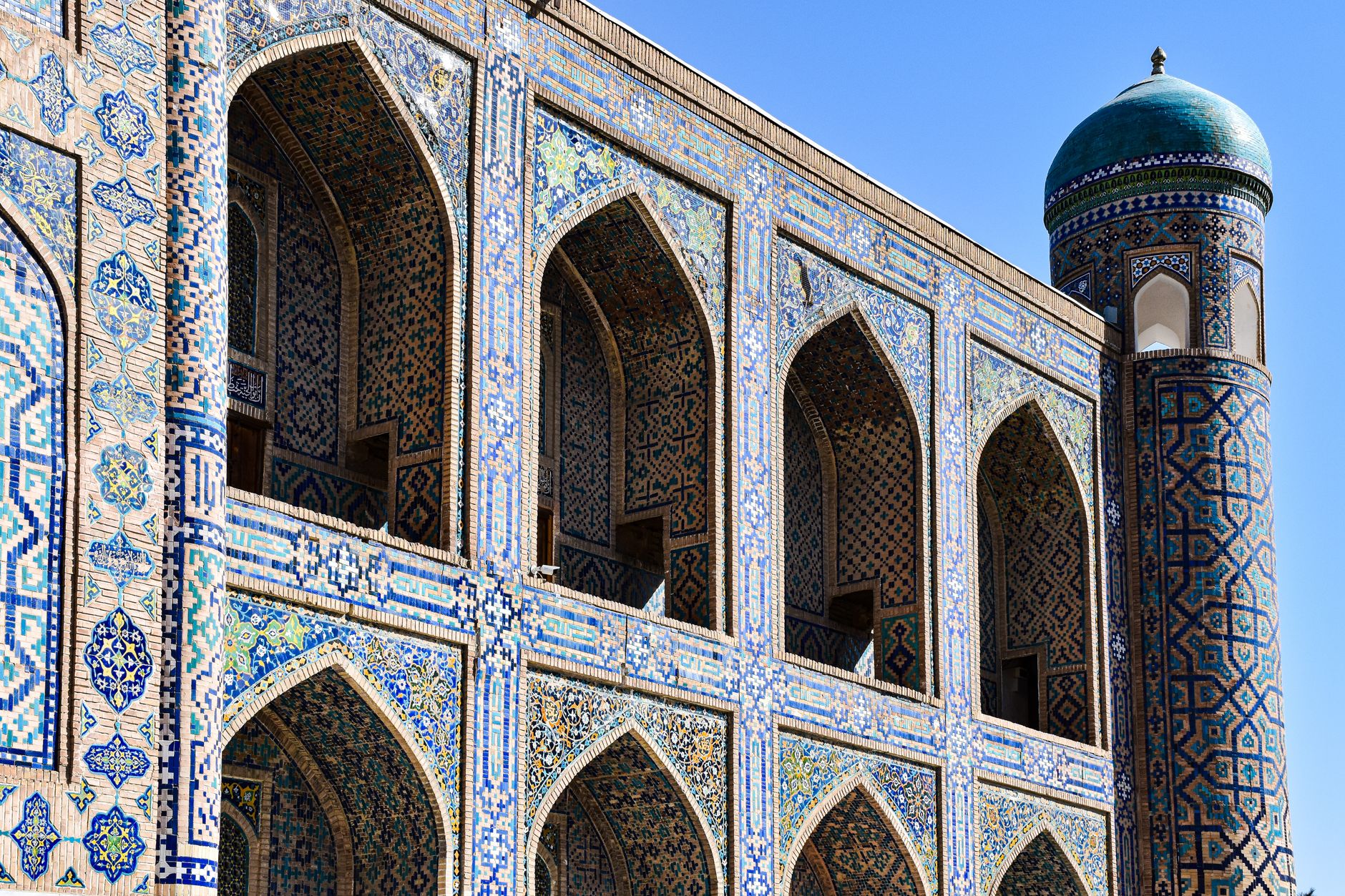
Uzbekistan is the trip that surprises people most, and the surprise takes a specific form: they expected something interesting and found something extraordinary. The Registan in Samarkand — three madrasas arranged around a square, the tilework intact and functioning as it has for seven centuries — is not a ruin. It is an argument, made in cobalt and turquoise and terracotta, for the intelligence and patience of the people who built it. Standing in it at dawn before the tour groups arrive, the light hitting the faience, nothing is quite adequate to the experience except acknowledging that nothing quite prepares you for it.
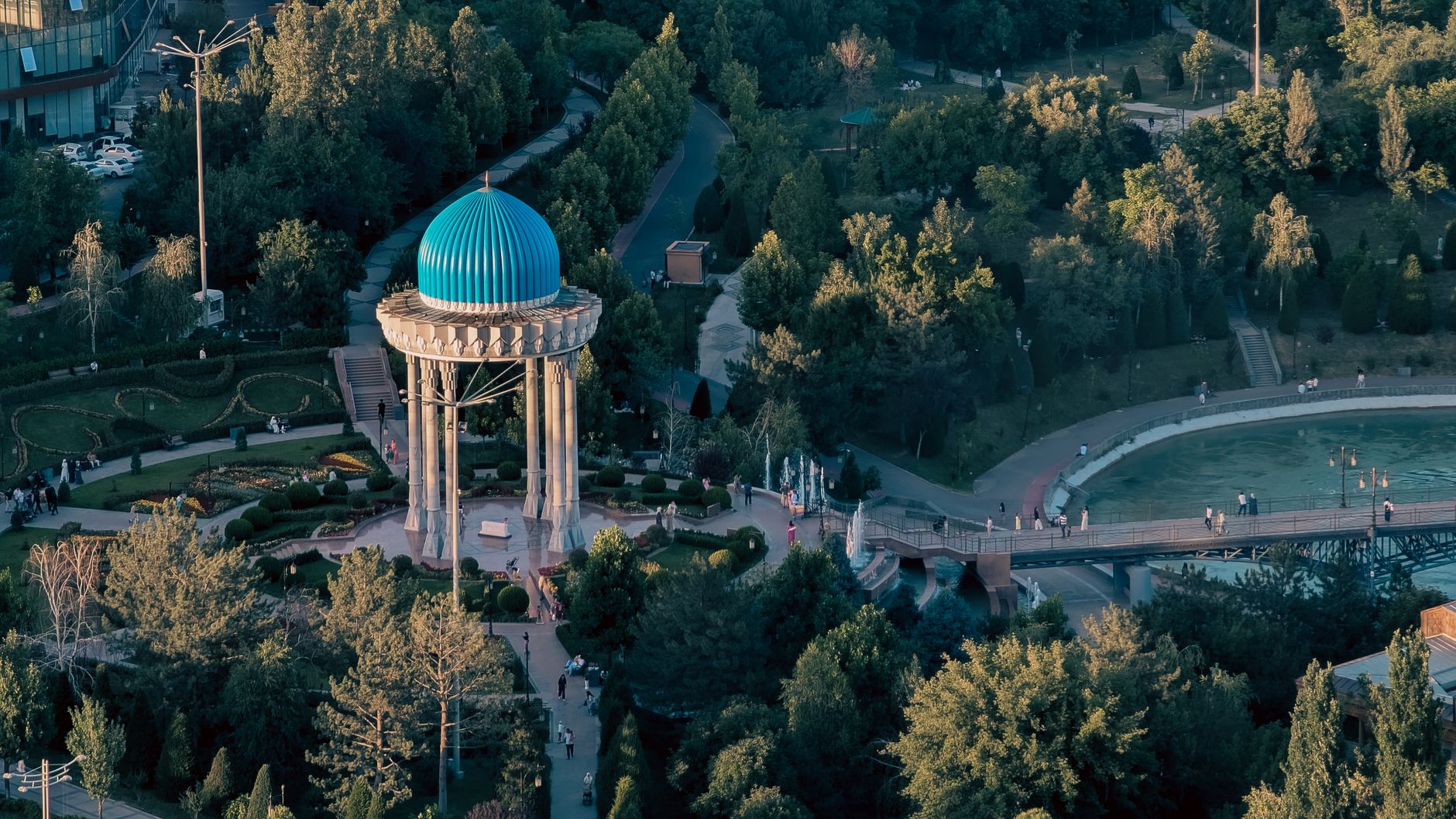
The circuit is Tashkent (one night, arrival), Samarkand (two nights, the centrepiece), Bukhara (two nights, the living museum). The high-speed Afrosiyob train connects the last two in under two hours and is one of the better Central Asian rail journeys. The direction most itineraries use — Tashkent to Samarkand to Bukhara — is the right one: it ends in Bukhara, which has a domestic airport connecting back to Tashkent, so the final day involves no retracing. Add Khiva on an extended trip — the walled city in the desert that functions as a kind of open-air museum — and the circuit becomes genuinely comprehensive.
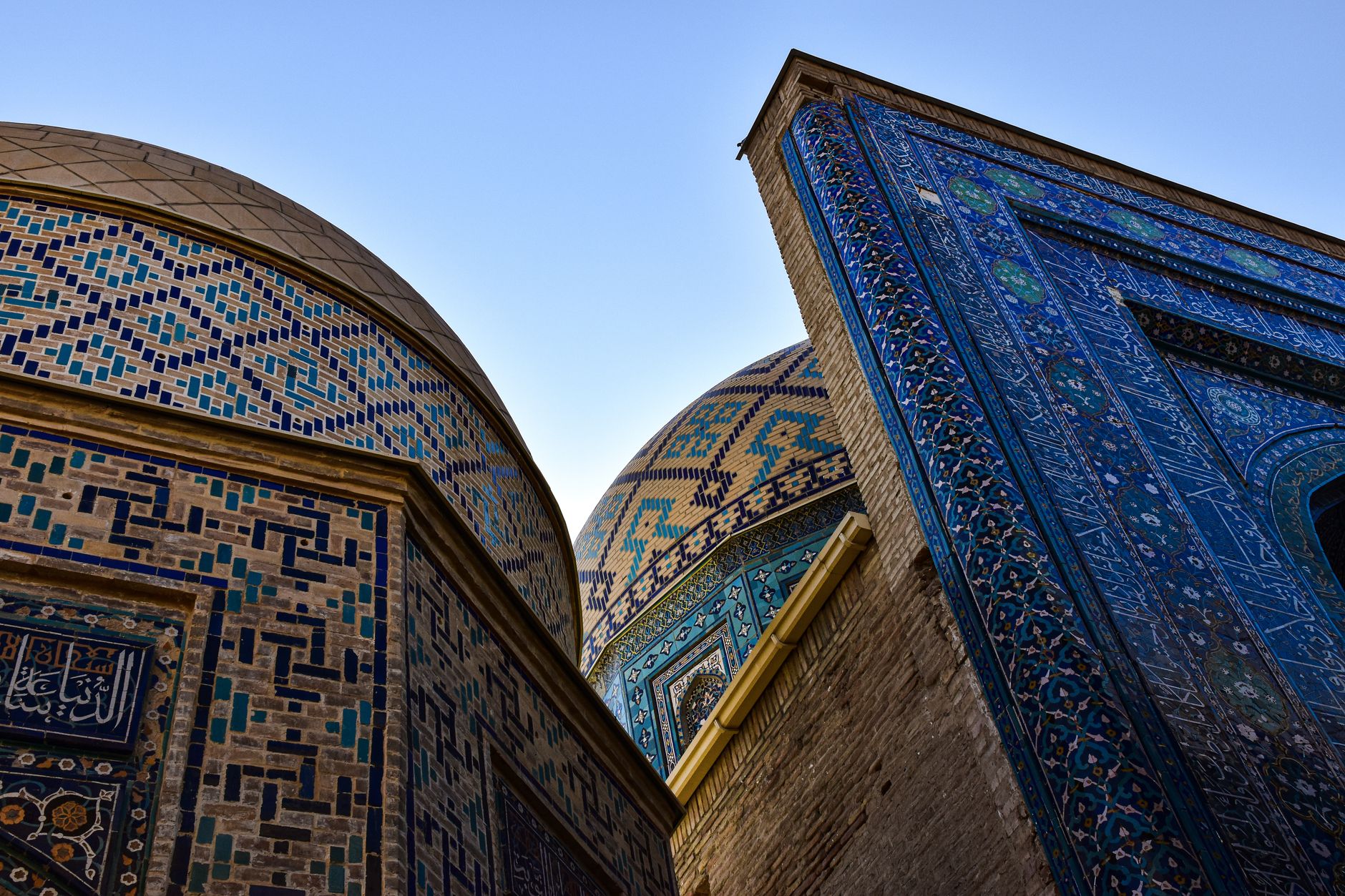
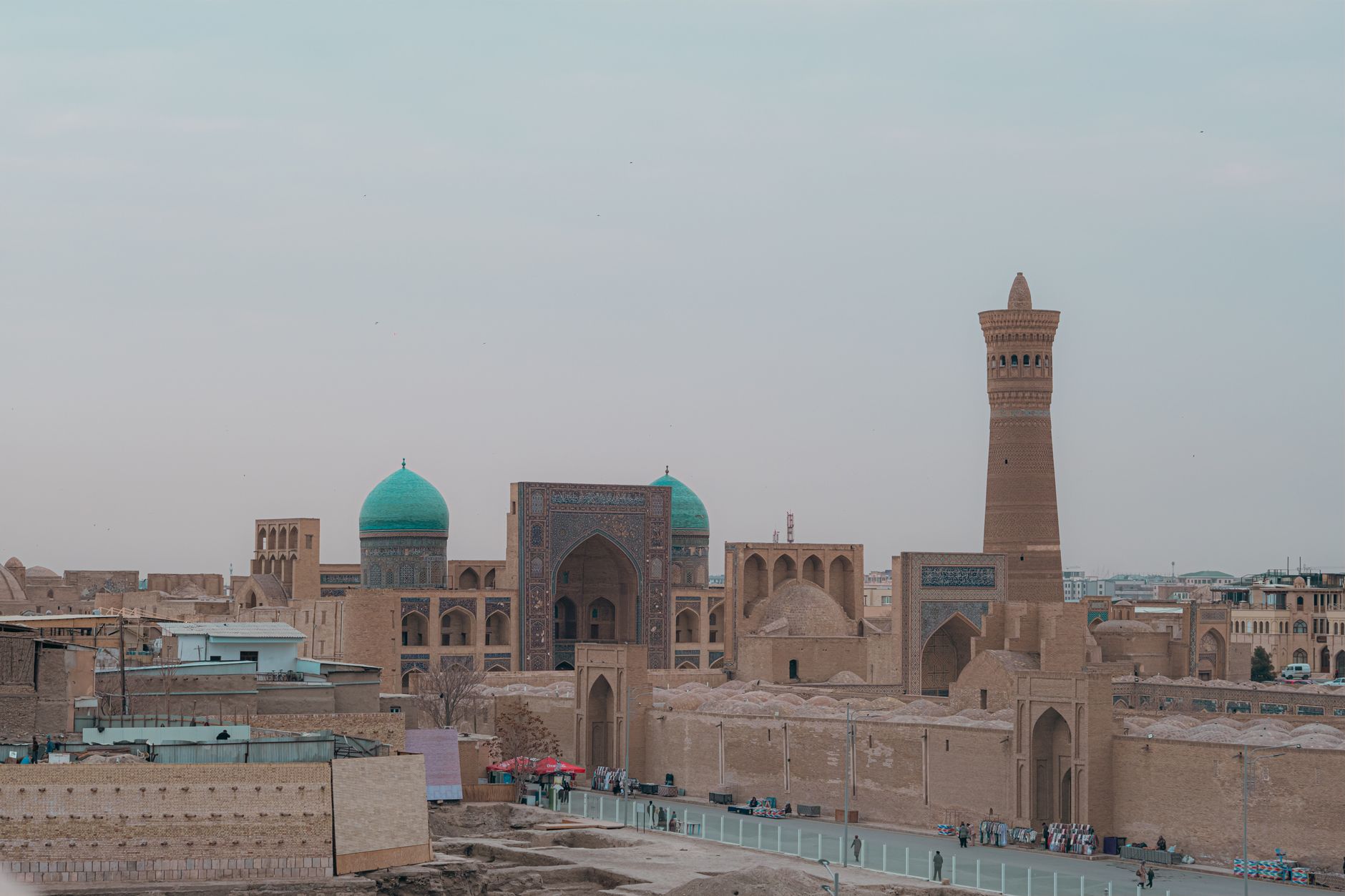
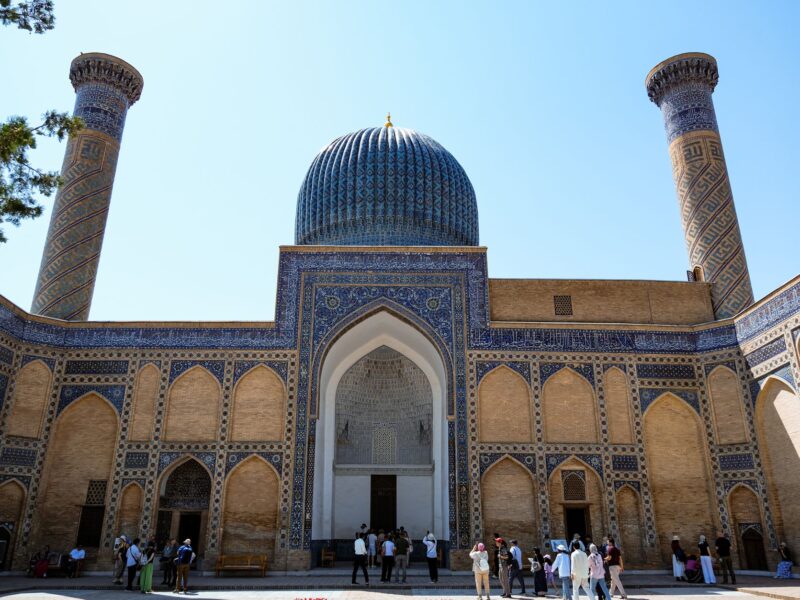
The Registan rewards multiple visits on different days and in different light; building the Samarkand stay around it rather than treating it as a single tick is the planning decision that makes the trip. The Shah-i-Zinda necropolis (a lane of funerary monuments covered in the most refined mosaic tilework in Central Asia) and the Gur-e-Amir mausoleum (where Tamerlane is buried under a ribbed jade dome) are half-day complements. In Bukhara, the old city is walkable and the boutique hotels in converted madrasas are the right places to stay — the relationship between the accommodation and the setting is part of the trip.