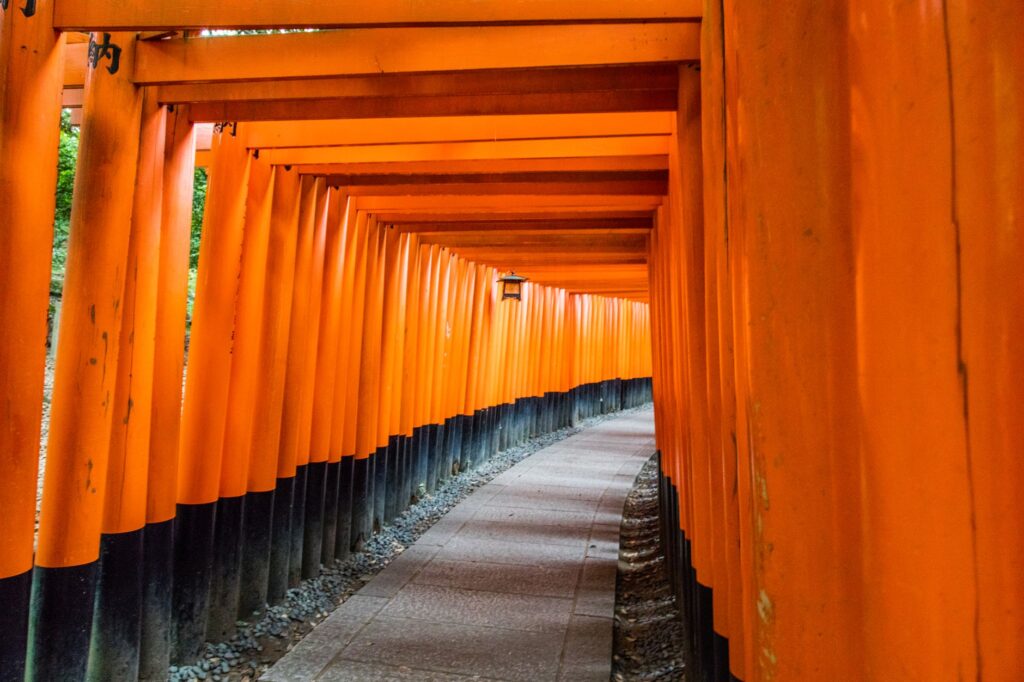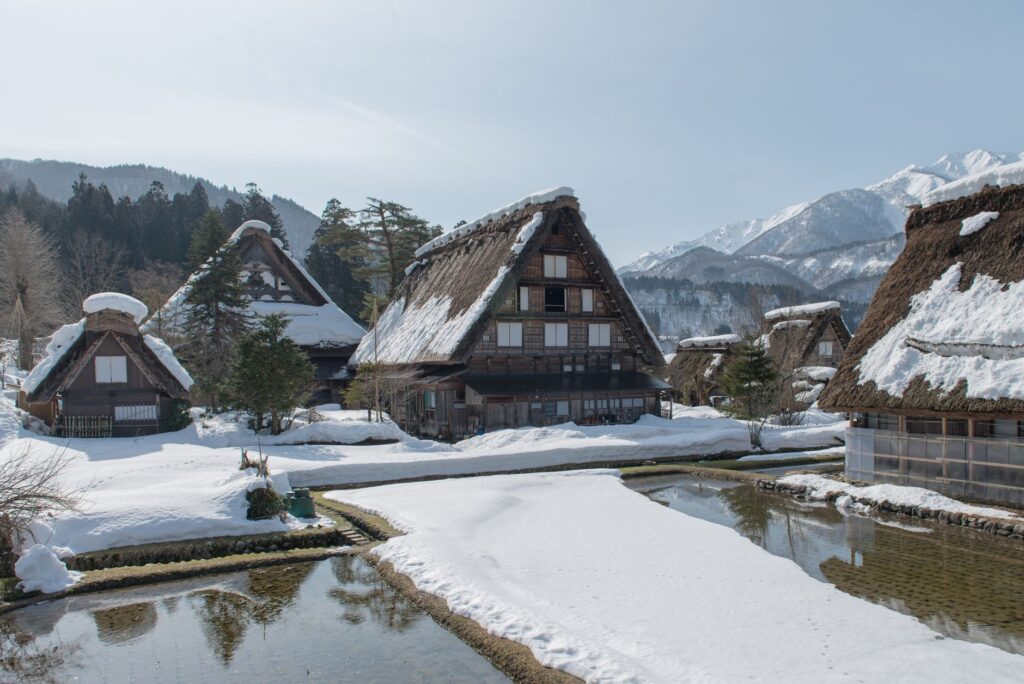

Japan operates at a frequency most countries can’t quite reach — attentive without being obtrusive, beautiful without being decorative, ancient in a way that never feels preserved behind glass. You feel it in the ryokan where the futon is laid while you’re at dinner, in the soba served the instant the lacquer lid is lifted, in the taxi driver who folds the newspaper corner to corner and leaves no crease. The country is the product of ten thousand small decisions, taken seriously, every day. That is what people are actually paying to be inside when they go, and it takes a trip or two to understand it.
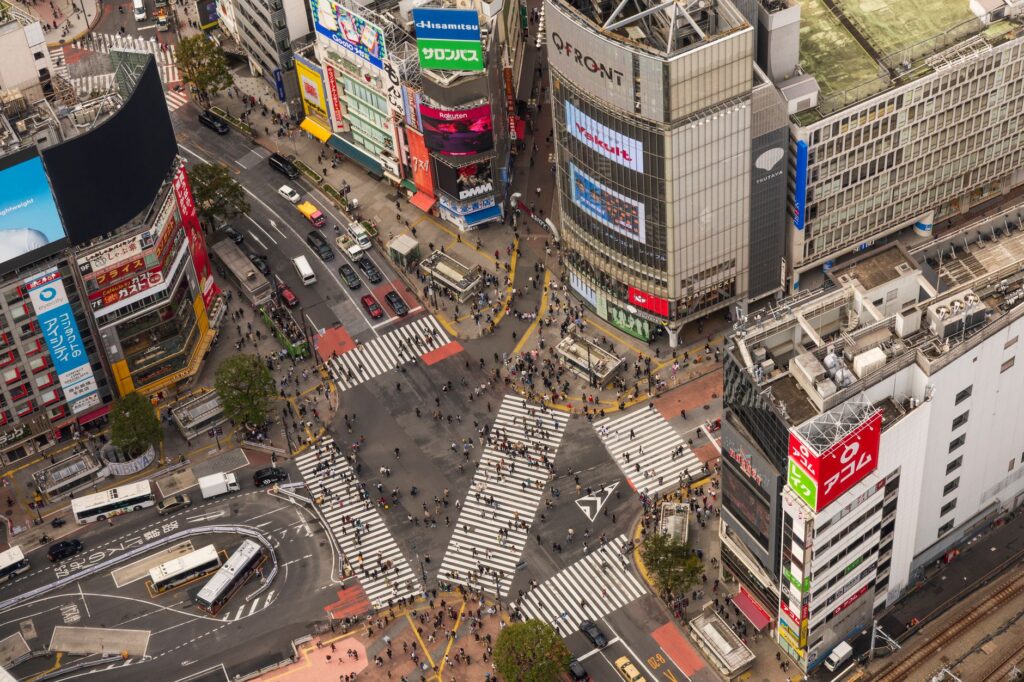
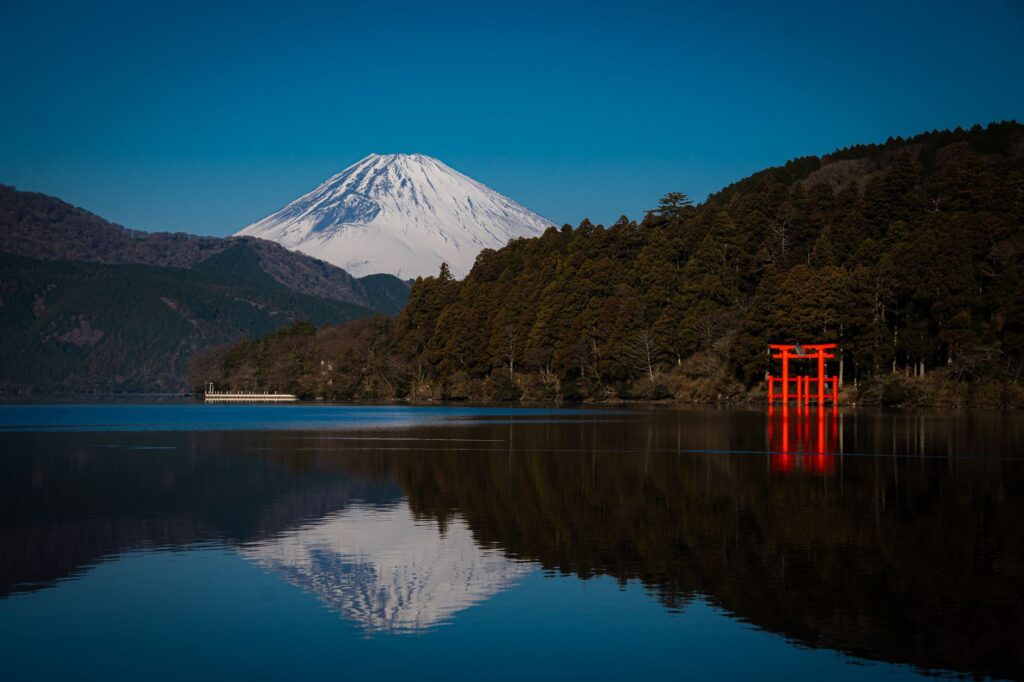
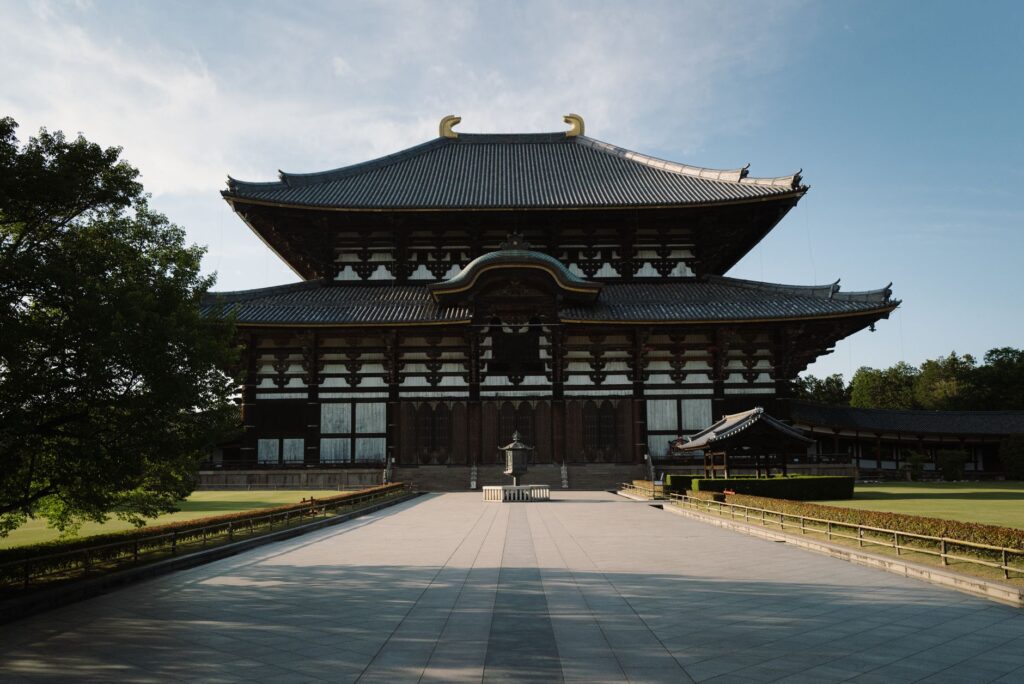
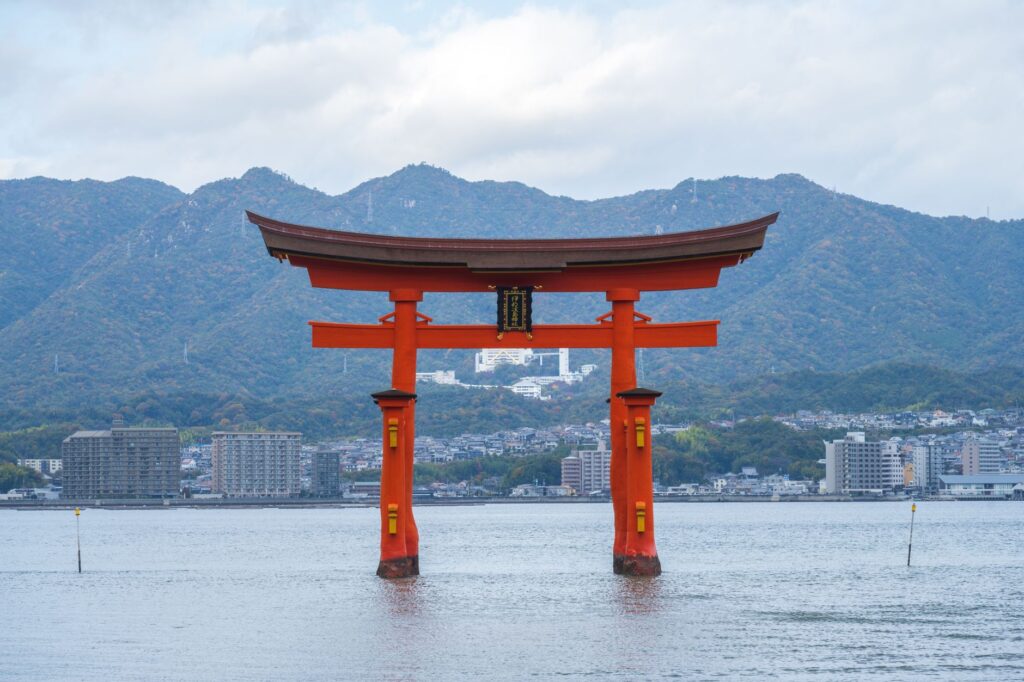
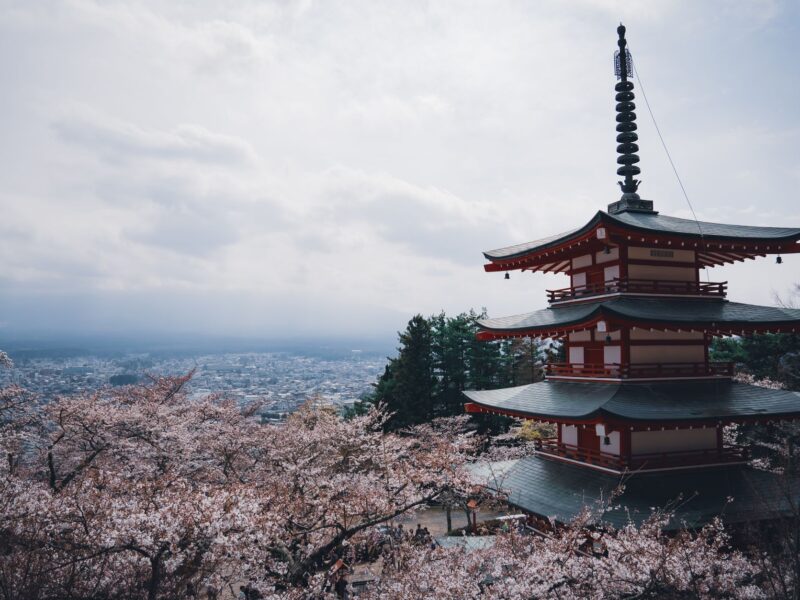
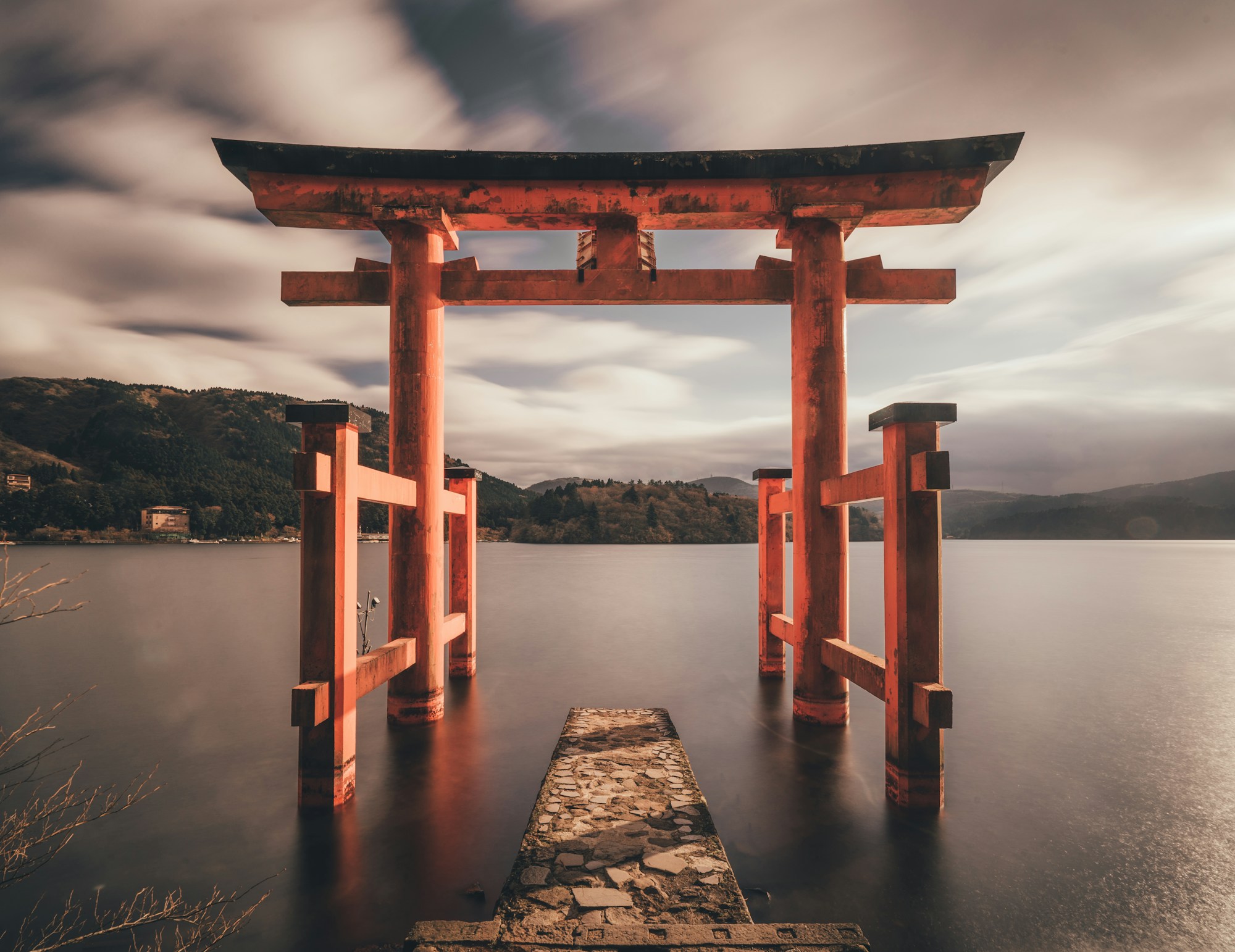
The mistake most first Japan itineraries make is trying to cover it. Tokyo, Kyoto, Osaka, Hiroshima, Hakone, Nara — eleven nights becoming a blur of shinkansen departures and hotel lobbies seen briefly. The right version is fewer stops with more room: Tokyo for four nights minimum to understand the scale of it; Kyoto for three, based in Higashiyama so the early mornings in the lanes are yours before anyone else arrives; Hakone as the hinge, a ryokan night with Fuji in the window. The nationwide JR Pass, once the automatic first purchase, now requires fresh arithmetic — a Tokyo–Kyoto–Osaka circuit no longer earns it back, and point-to-point tickets on the faster Nozomi trains often beat it on both price and time.
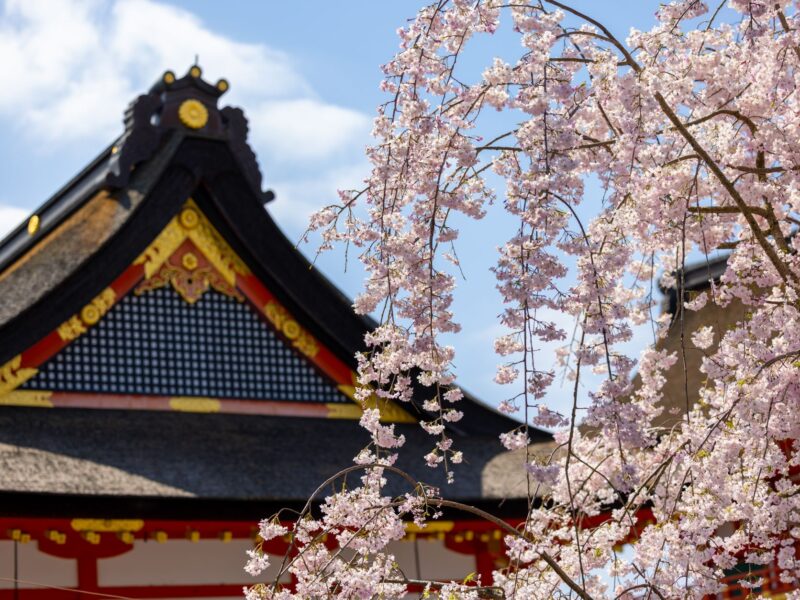
We book Japan regularly, and the difference is in the calls that aren’t on any website. The sushi counter in Tokyo that seats eight and requires an introduction from a hotel the chef trusts — that introduction comes through the concierge chain at the right property, not from any booking platform. The ryokan in the mountains outside Kyoto where the Buddhist cuisine is quietly close to Jain principles, the right answer for the family that’s been bracing for a hard country on that front. The October window when the maples turn and the light on the temples turns every photograph into something from a scroll. We know which week of November and which temple faces which way at four in the afternoon.