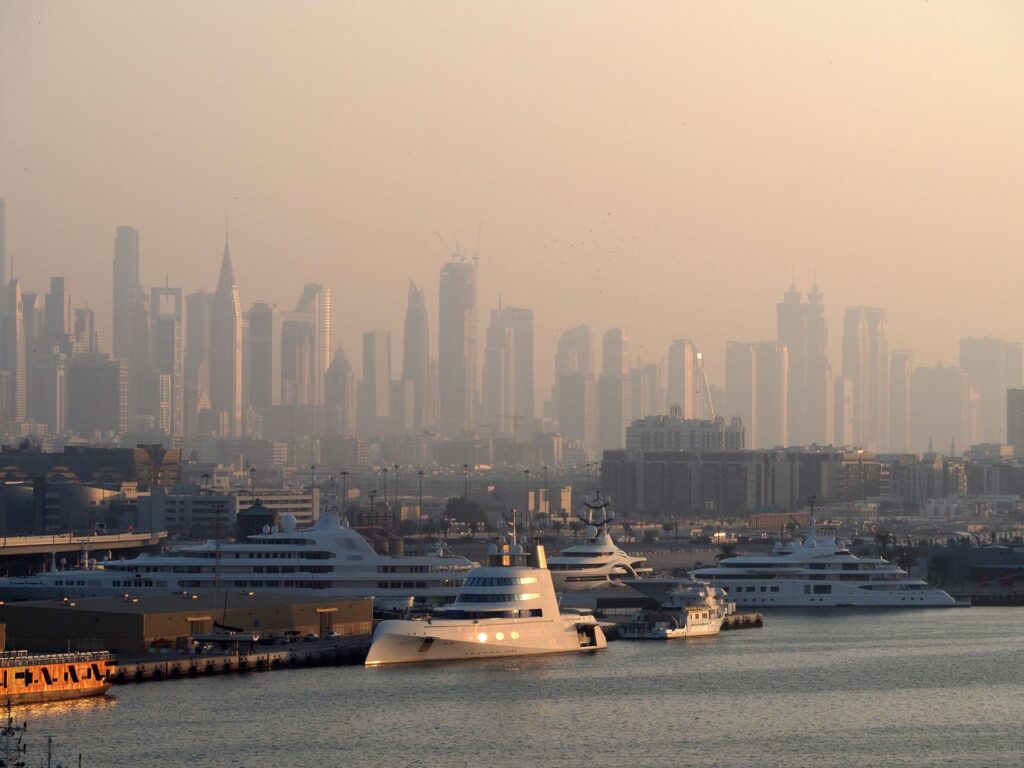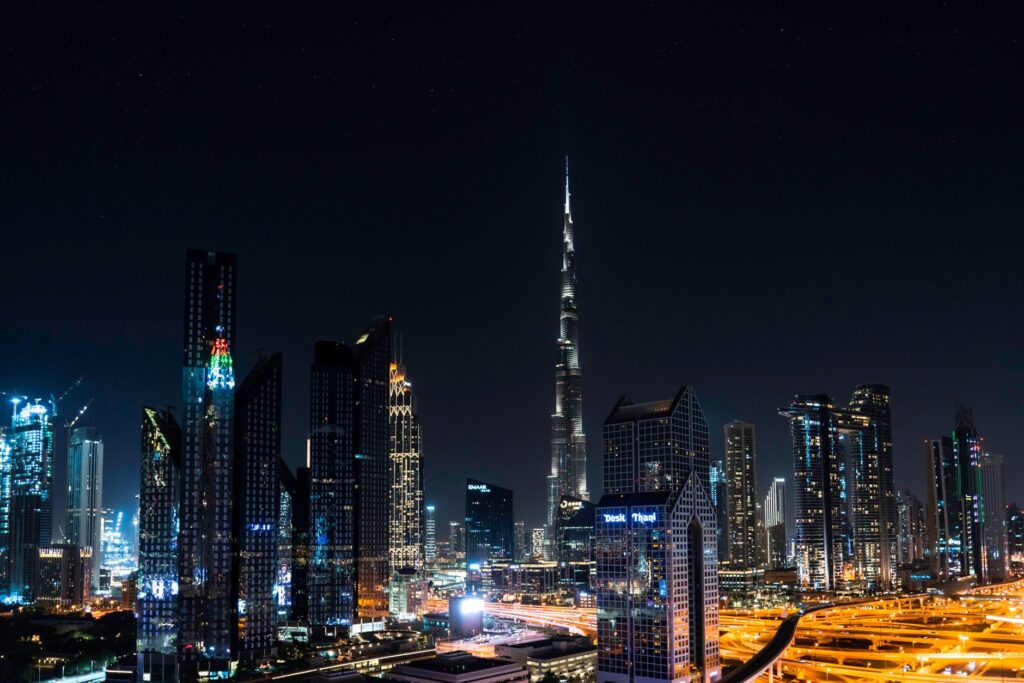

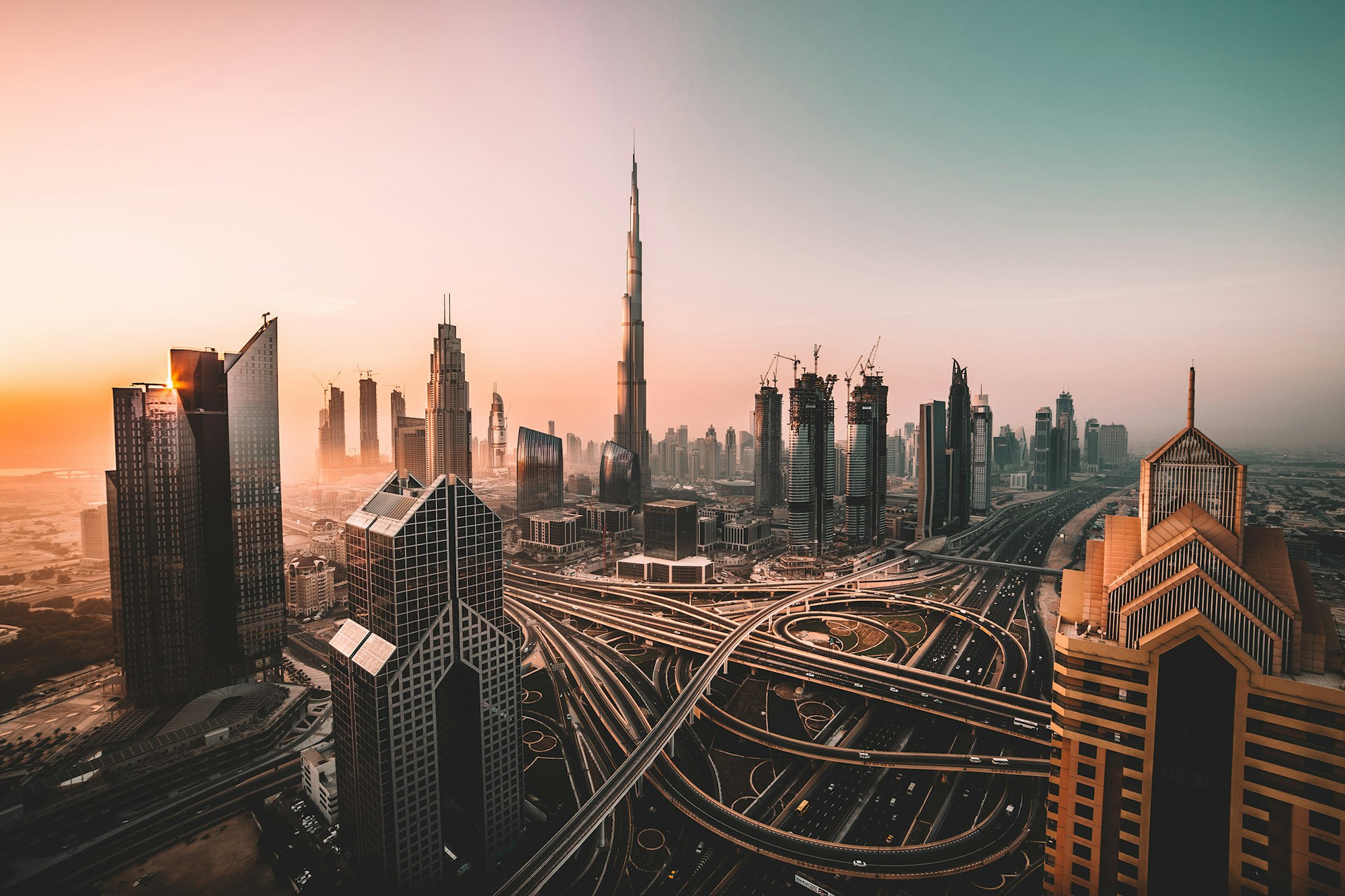
The UAE is the destination most Indian travellers think they understand and most haven’t quite cracked. Dubai specifically has a reputation — the mall, the tower, the superlative everything — that is accurate as far as it goes and misses what the city actually rewards. The part worth paying attention to is not the tallest building or the most expensive brunch but the neighbourhoods: the creek and the old souk in Deira, the gallery district growing up in DIFC, the Bulgari Resort on its island above the marina with its Milanese sense of proportion and its view of a city that is quite astonishing if you came in from the right angle.
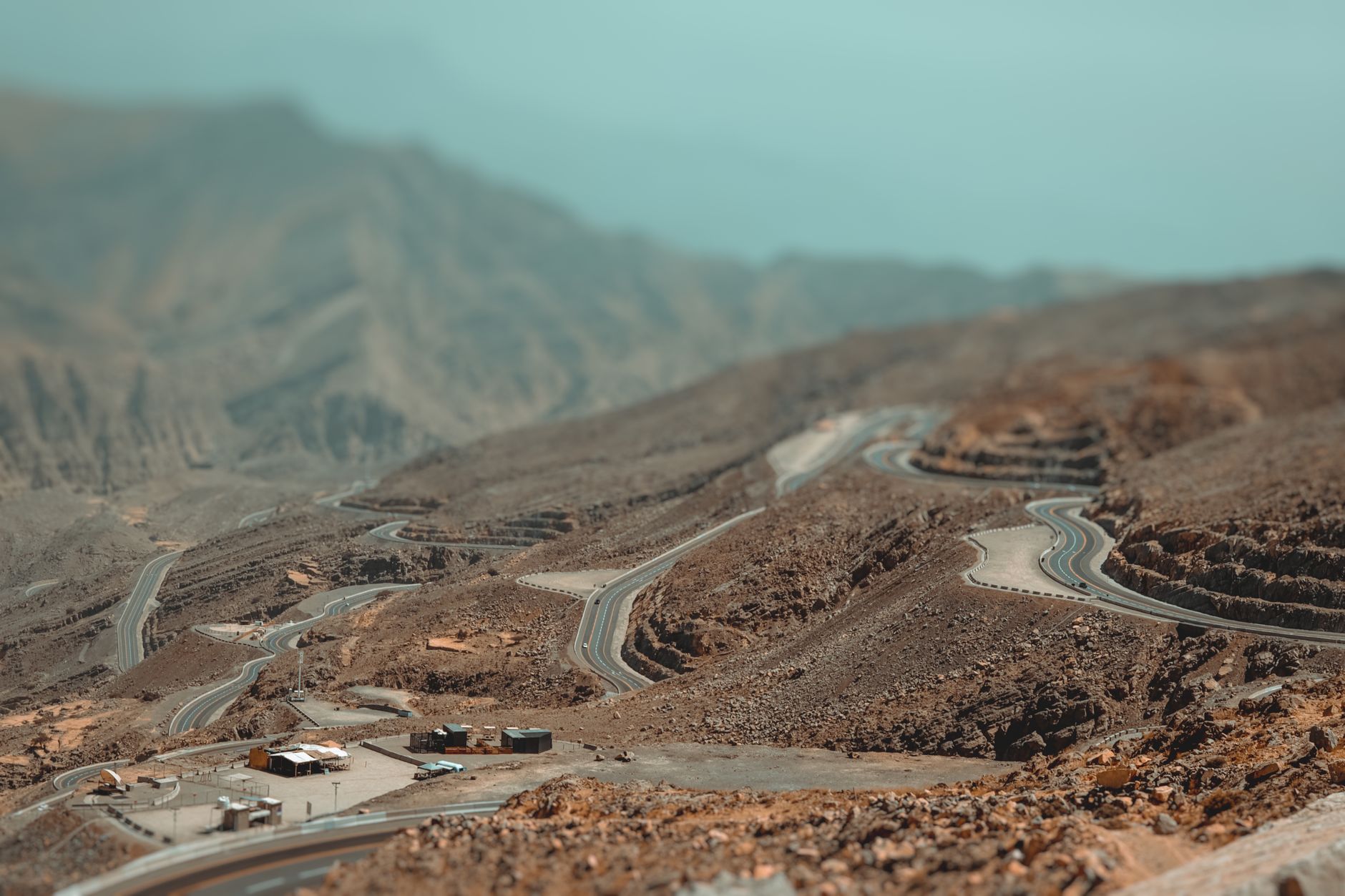
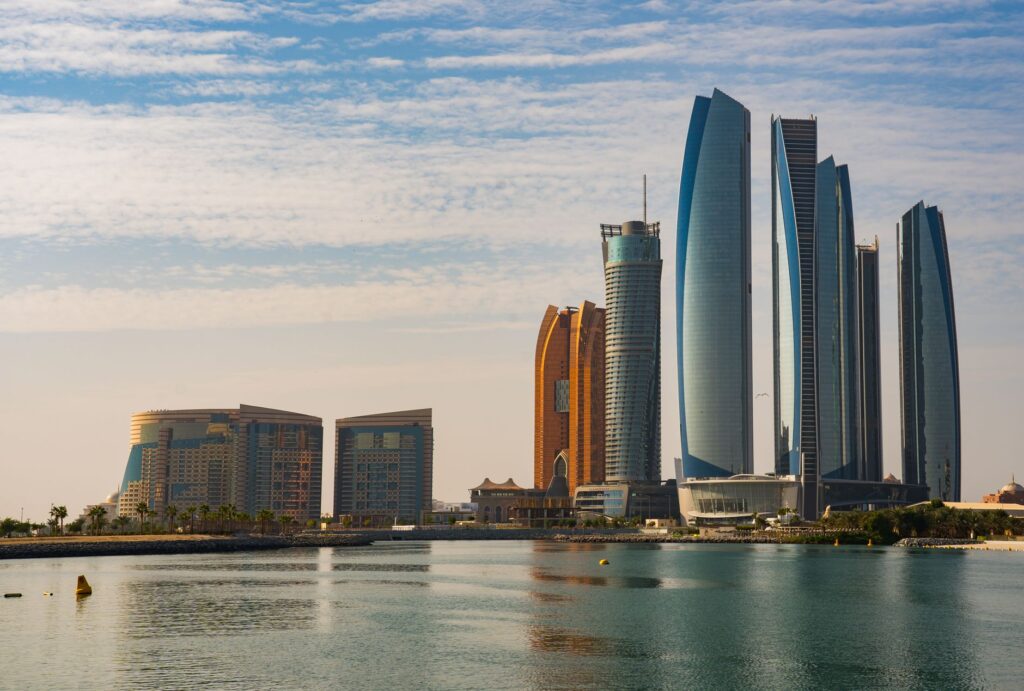
The emirate question is real and often skipped. Dubai is a city. Abu Dhabi is a capital — quieter, more considered, with the Sheikh Zayed Grand Mosque (genuinely one of the most beautiful buildings in the world) and the Emirates Palace Mandarin Oriental on its private beach doing a completely different thing from anything in Dubai. The drive between them is ninety minutes on a highway that never has traffic problems; combining two nights in each on a five-night trip is the most efficient way to understand the UAE as a country rather than a city-state. Ras Al Khaimah, forty-five minutes north of Dubai, has recently become significant on its own terms — the Waldorf and the Ritz-Carlton on the cliffs there, the desert and the Hajar Mountains behind, the kind of landscape you don’t associate with the Gulf until you’re standing in it.
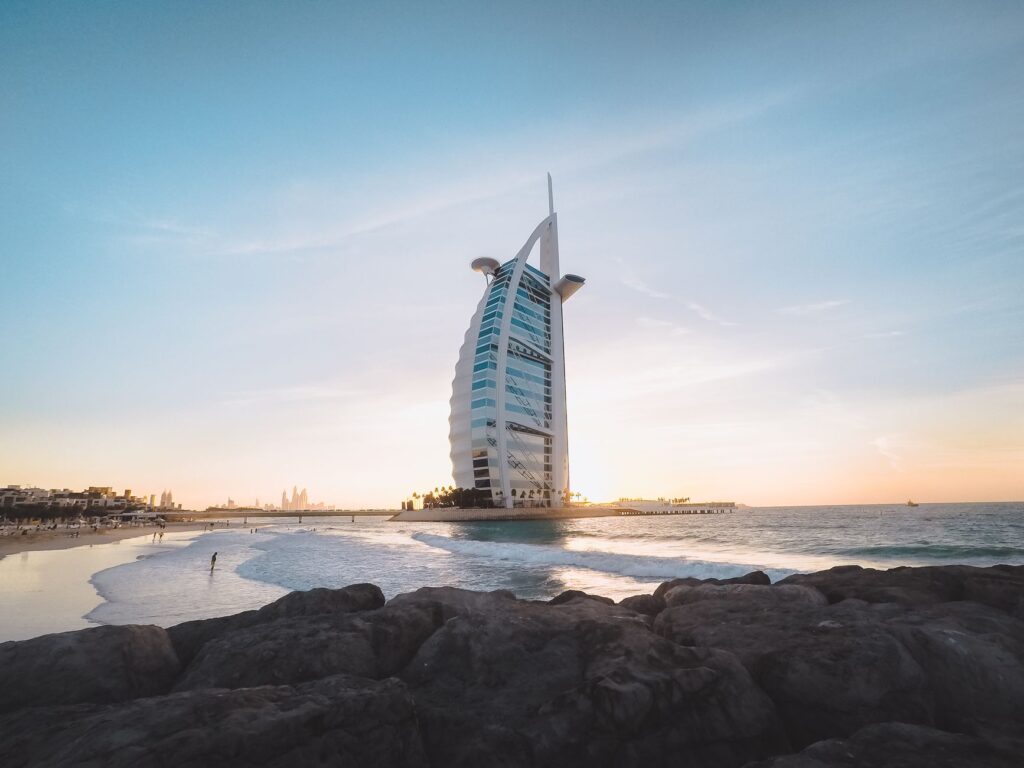
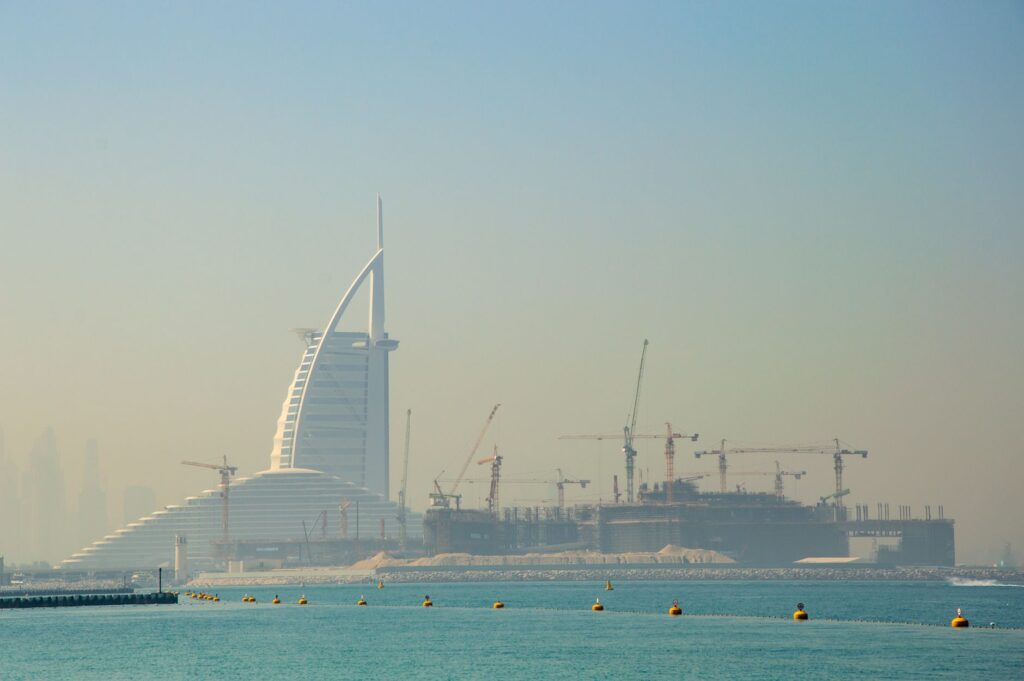
The UAE is also genuinely the easiest destination in the world for Indian dietary requirements, which is worth noting plainly. Every hotel at this level has comprehensive vegetarian menus and will handle a Jain brief with practice rather than puzzlement. The visa is on arrival and free. The flight from Delhi is three hours. For a short break or a stopover, it requires less planning than almost any other luxury destination, and the hotel inventory — from the Burj Al Arab to the Bulgari to the Emirates Palace — is among the deepest in the world.