
Nepal is closer to India than it gets credit for. Kathmandu is ninety minutes from Delhi, the time zone is the same, the currency is pegged to the rupee, and the vegetarian food — dal bhat, momos, thukpa — is among the most naturally plant-forward in Asia. For Indian travellers who have already done Southeast Asia and the Middle East, Nepal is often the destination that was sitting closest the whole time and which turns out to be one of the best.
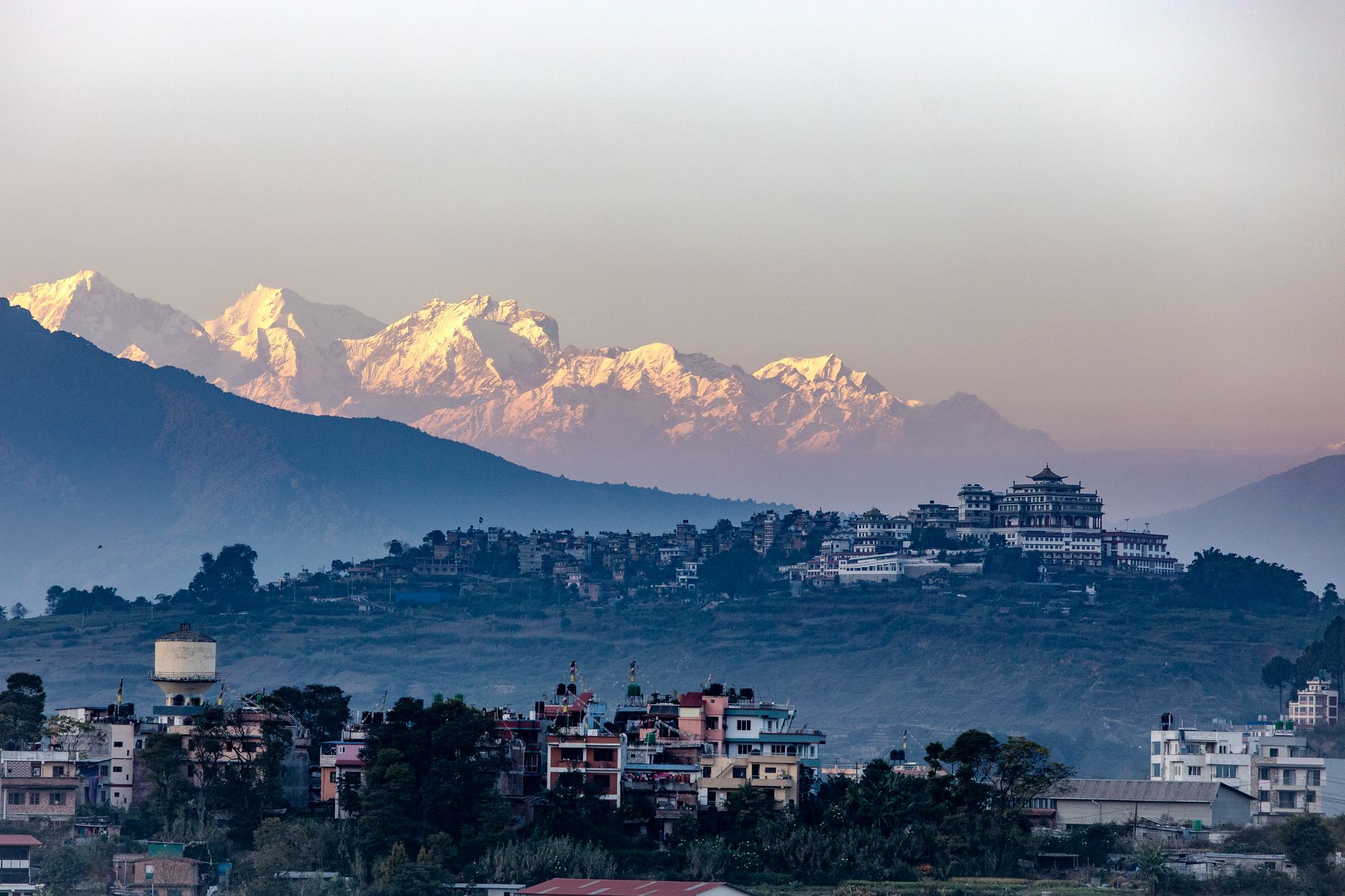
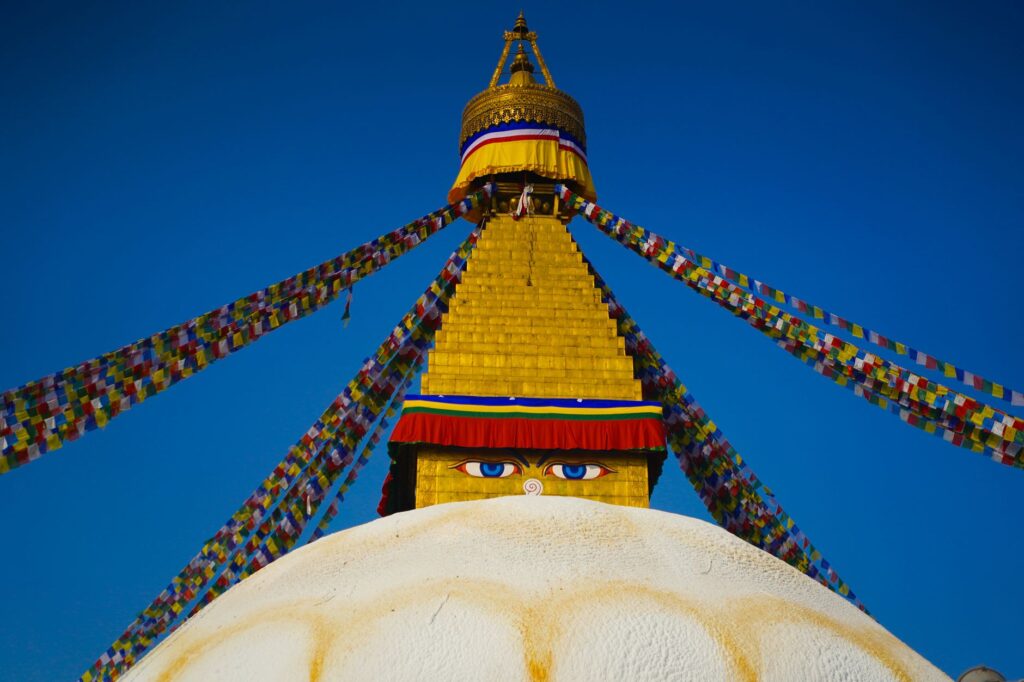
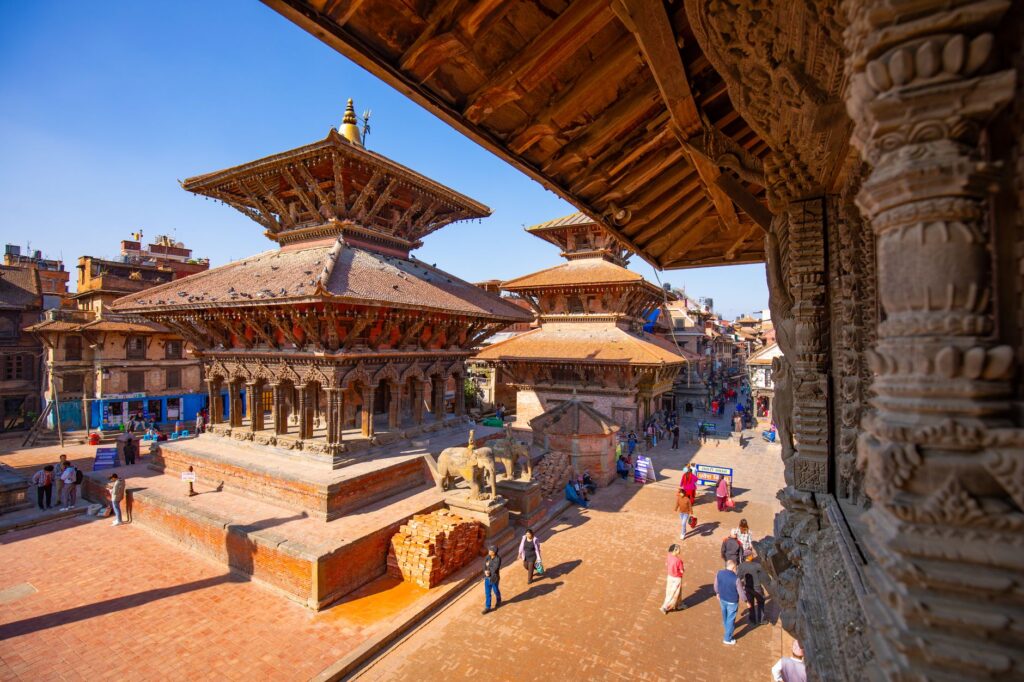
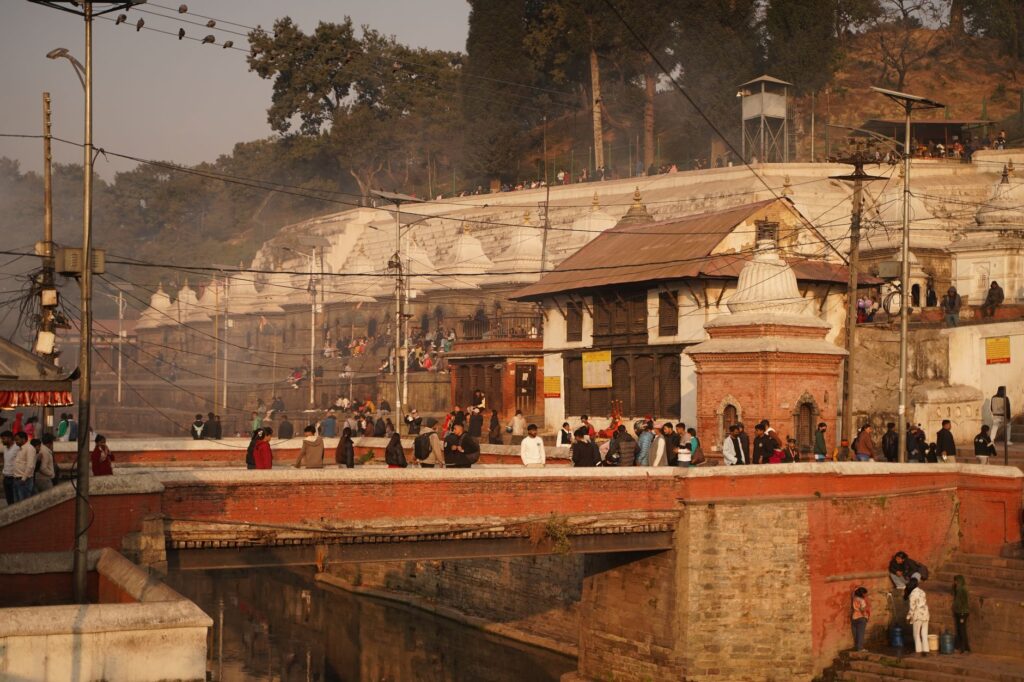
The city-and-mountain combination is the trip most clients are after. Kathmandu’s heritage density is genuinely extraordinary — Pashupatinath, the burning ghat and living Hindu temple on the Bagmati River; Boudhanath, one of the largest stupas in the world, a market of prayer flags and monks circling at dusk; the Durbar squares, three of them, each a UNESCO site — and the city rewards slowing down inside it rather than treating it as a checklist. Dwarika’s Hotel is the property that earns its reputation here: rescued Newari architecture assembled from temples that would otherwise have been demolished, each carved lintel a piece of mediaeval craftsmanship that functions as a doorframe. The hotel is built from what the city might have lost.
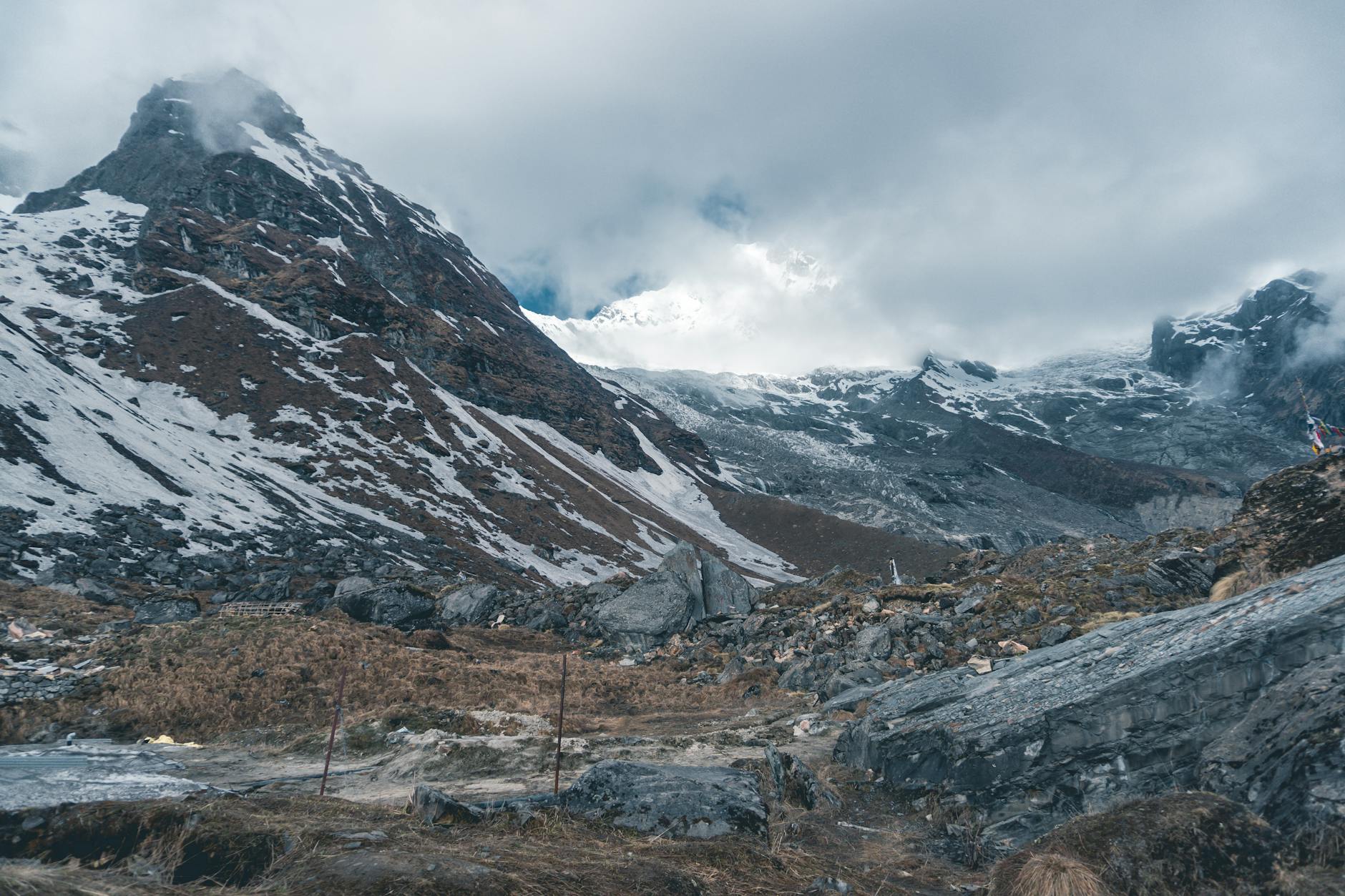
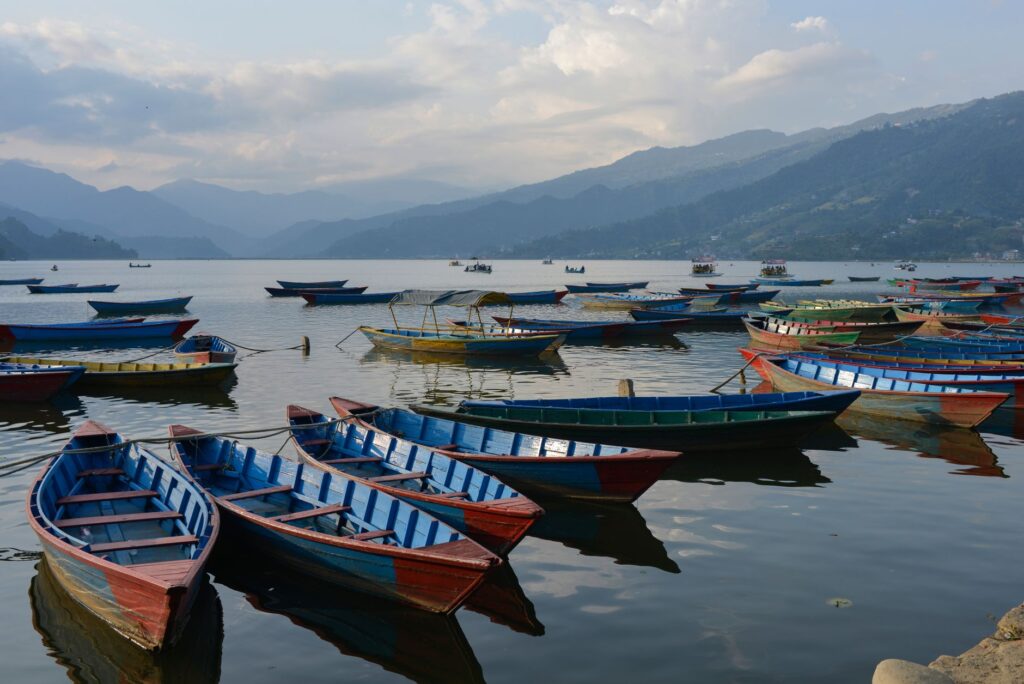
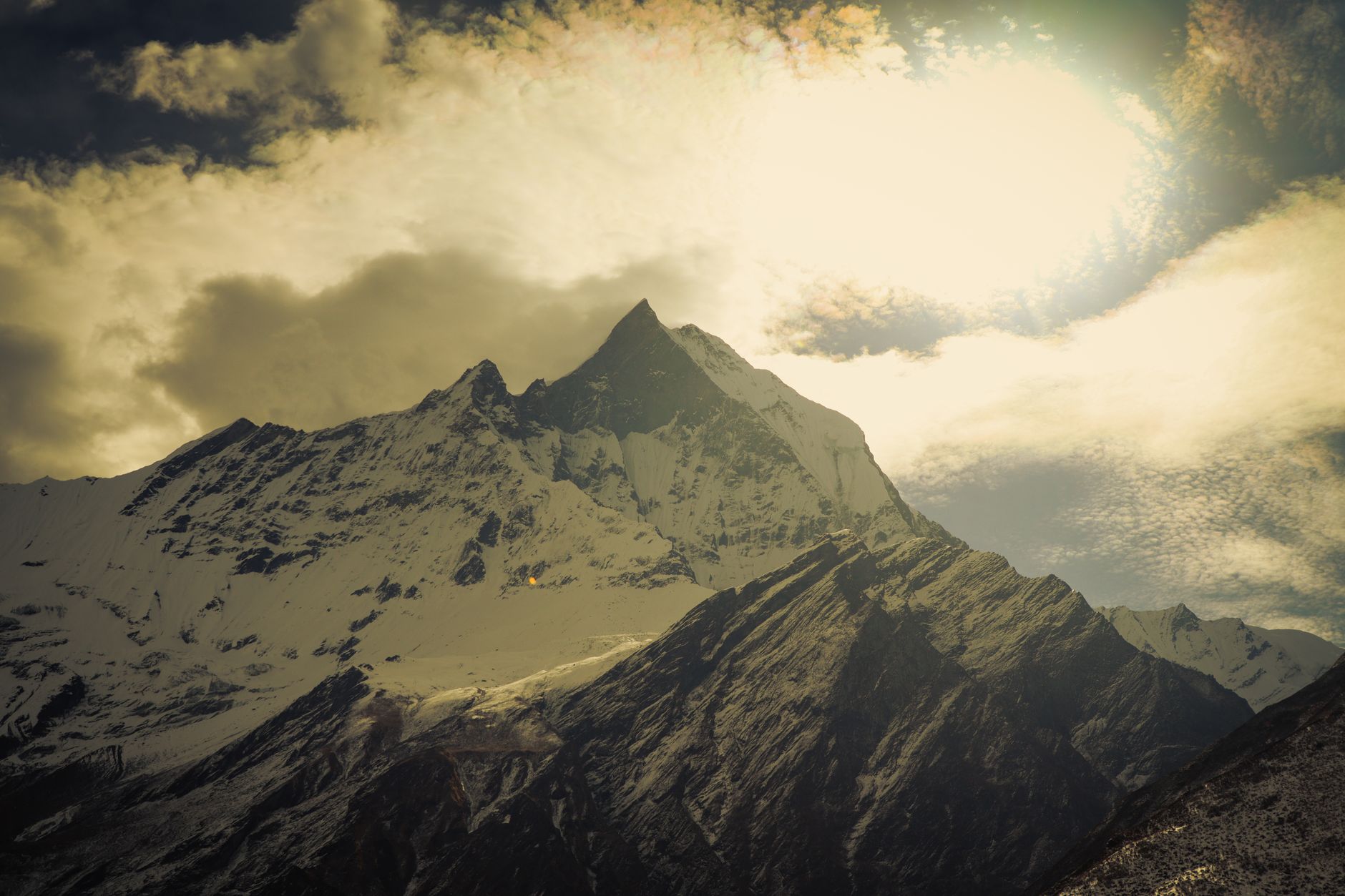
Pokhara is forty-five minutes by flight or seven hours by road, and it is one of the most immediately rewarding things in the Himalayas: you wake at dawn, walk to the terrace or the lakeside, and the Annapurna range — 8,091 metres, the tenth-highest mountain on earth — is simply in front of you, at eye level, reflected in Phewa Lake. No trek required. The view is there on any clear morning, and the October window after the monsoon is the clearest of the year.