

Journal · Field notes
Sixteen people, one villa
In May 2026 we travelled with sixteen people across three regions of Bali: Ubud for four nights, Gili Trawangan for two, Seminyak for three. The logistics of this kind of trip — where the stakes of a bad decision are multiplied by sixteen, and where every opinion about dinner is held with conviction — are the specialty this business was built on. Here are the notes.
The room matrix
The first document any multi-family trip requires is a room matrix: who is in which accommodation, categorised by relationship (couple, single, parents, children) and expectation (they need a ground floor, they won’t share a kitchen, they’ve requested a view). Build this before you book anything. The matrix determines the property, not the reverse.
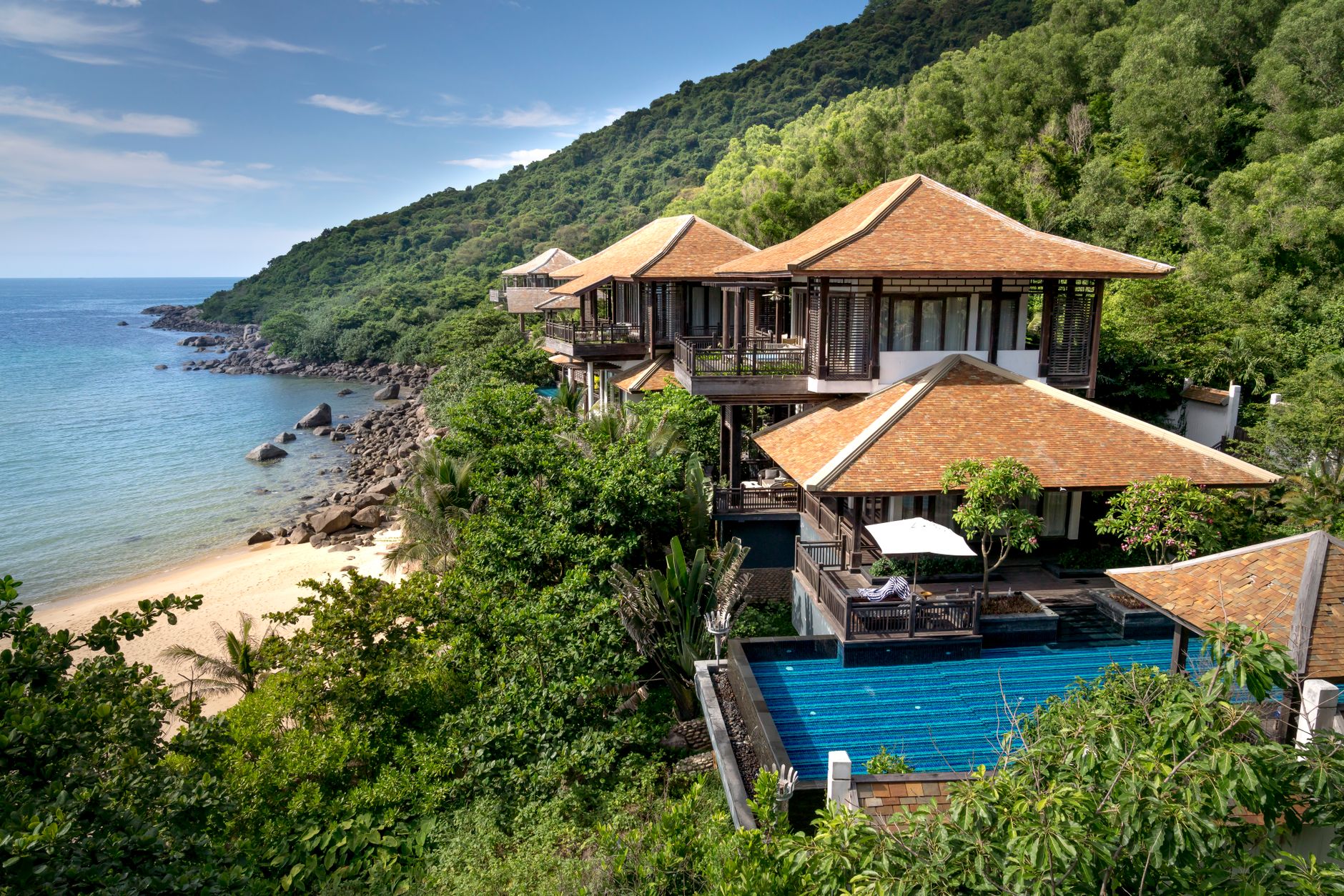
Villas work better than hotel room blocks for groups above eight. The shared outdoor space — a pool terrace, a living pavilion, a common kitchen — means the group coalesces naturally in the evenings without requiring a restaurant reservation for sixteen people, which is the logistical object lesson of large group dining. Book the villa with a kitchen. Use the kitchen for two or three nights. The dinners people remember are the informal ones.
Money
Settle money before you travel, not after. A settlement spreadsheet — built before departure, covering all shared costs at an estimated level — means the group arrives knowing roughly what’s been spent on their behalf. The actual settlement, run two days before the trip ends, covers the delta. Running the entire settlement on the last day, when everyone is tired and some people have already packed and the villa is in mild chaos, is the way to end the trip badly.
“Settle the money two days before the trip ends, not on the last morning.”
The most contentious line in any group trip settlement is always food and drink. The people who ate three courses and drank wine resent paying the same share as the people who had a salad and water. The fairest system: split accommodation and transfers equally; split meals by whoever ordered. This requires someone to track it, which requires designating that person in advance, which requires them to agree.
The fast boat
The Bali-to-Gili crossing by fast boat is the logistical test of any Bali group trip. It takes two to three hours in calm conditions; longer in chop; the boats are loud, low and wet. Sixteen people require booking the entire boat, or booking across multiple departure times, neither of which is available on demand. We booked the crossing two months out, confirmed passenger names one month out, and sent the briefing note about the seasickness reality in advance — because the two people on a fast boat who haven’t taken precautions are the experience that everyone else remembers.
The good parts
None of the above is the trip. The trip is the villa breakfast when everyone arrived late and slightly sunburned and someone made a playlist and the cook made something with coconut and the morning stretched until noon. The trip is the night on the Gilis when the bioluminescence in the shallows responded to movement and nobody wanted to go to bed. The trip is the last dinner in Seminyak where the speeches were bad and the table was long and the bill was irrelevant.
Groups are worth the logistics. Sixteen people experiencing something simultaneously — the same light, the same place — is a different category of memory than the same sixteen people in separate pairs on adjacent holidays. The planning exists to protect that experience. It is not the point of the trip.
Mentioned in this piece
Travelling with your parents
Children in luxury hotels: what actually works