

Journal · Destinations
What a safari day actually feels like
Most of what is written about safari is written either by people who have been once, recently, and are still in the grip of the experience, or by people who have been many times and are writing for audiences who haven’t. The result is a gap between expectation and reality that is usually in safari’s favour — the experience is better and stranger than the writing suggests — but occasionally isn’t. Here is an honest account of what a day looks like.
The morning game drive
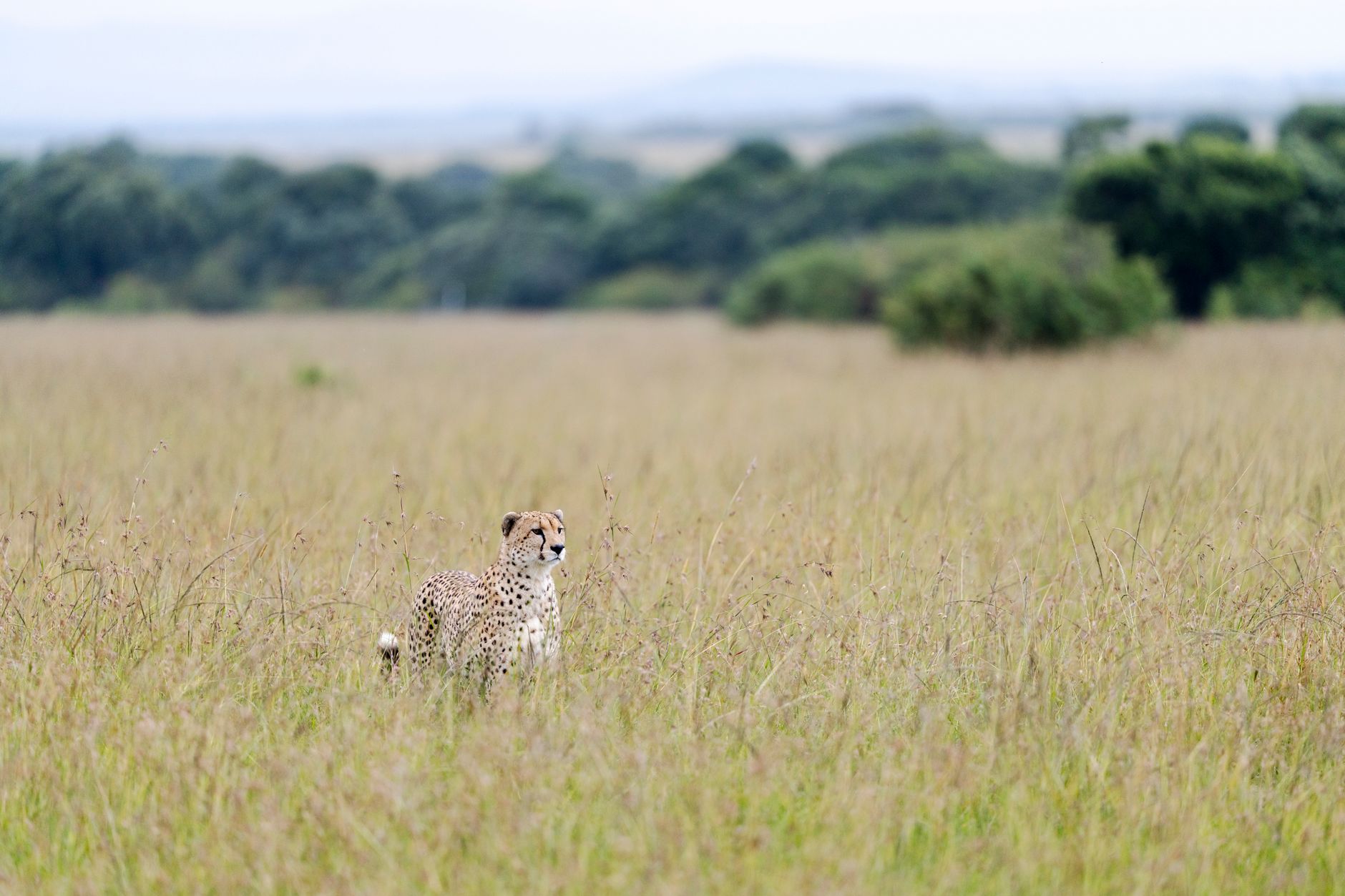
The alarm is at 5:30 a.m. or earlier, in the dark, with the sound of something outside the tent. You are given coffee and a biscuit. The vehicle departs by 6 a.m., often 5:45. The reason for the hour is light and animal behaviour: the large cats move and hunt in the cooler hours, and the golden light of the first forty-five minutes of sunrise is where the photographs happen. The light is gone by 8 a.m. This is not negotiable.
The first morning drive is the most disorienting. The landscape is enormous. The animal guides — trackers who have spent twenty years reading footprints in dust — see things from a moving vehicle that you cannot see from a stationary position and explicit instruction about exactly where to look. The instinct is to feel that you’re missing it. You’re not. You’re adjusting.
“The light is gone by 8 a.m. This is not negotiable.”
The midday
Most safari camps observe a midday break: return from the morning drive by 9:30 or 10 a.m., breakfast, and then nothing obligatory until the afternoon drive at 4 p.m. The midday is the underappreciated part of the day. A long breakfast that extends toward noon. A walk inside the camp perimeter if the property allows. Sleep, genuinely. The accumulation of early mornings and altitude and the emotional density of what you’ve seen makes sleep easy and good.
The afternoon drive
The afternoon drive begins around 4 p.m. and extends until after dusk, when the vehicle stops for a sundowner — usually a table set in the bush with something cold and something warm — and then continues in darkness, when the spotlight comes out and the experience changes entirely. Nocturnal animals. Eyes in the grass. The sounds the guides can identify at a hundred metres. The night drive is the part of the safari that surprises people most; it wasn’t in the brochure and it’s often the memory that lasts.
The Big Five expectation
Everyone wants to see all five. In the Mara, in a good week, with a good guide, you will see lion, leopard and elephant. Buffalo are abundant. Rhino, in the open Mara, are rare — they exist in a few protected zones and are not reliably encountered on a standard game drive. If rhino specifically matters to you, we discuss the itinerary accordingly. If the experience as a whole matters, the fixation on the checklist is the thing most likely to diminish it.
One thing the brochure doesn’t say: the drives when very little happens are not failures. An hour watching a lion family with cubs in the morning light, nothing moving, is not nothing. The bush requires the same attention as a great meal — not distraction, not the pressure of expectation, just the quality of presence that the place demands.