

Journal · Destinations
The Maldives island you actually want
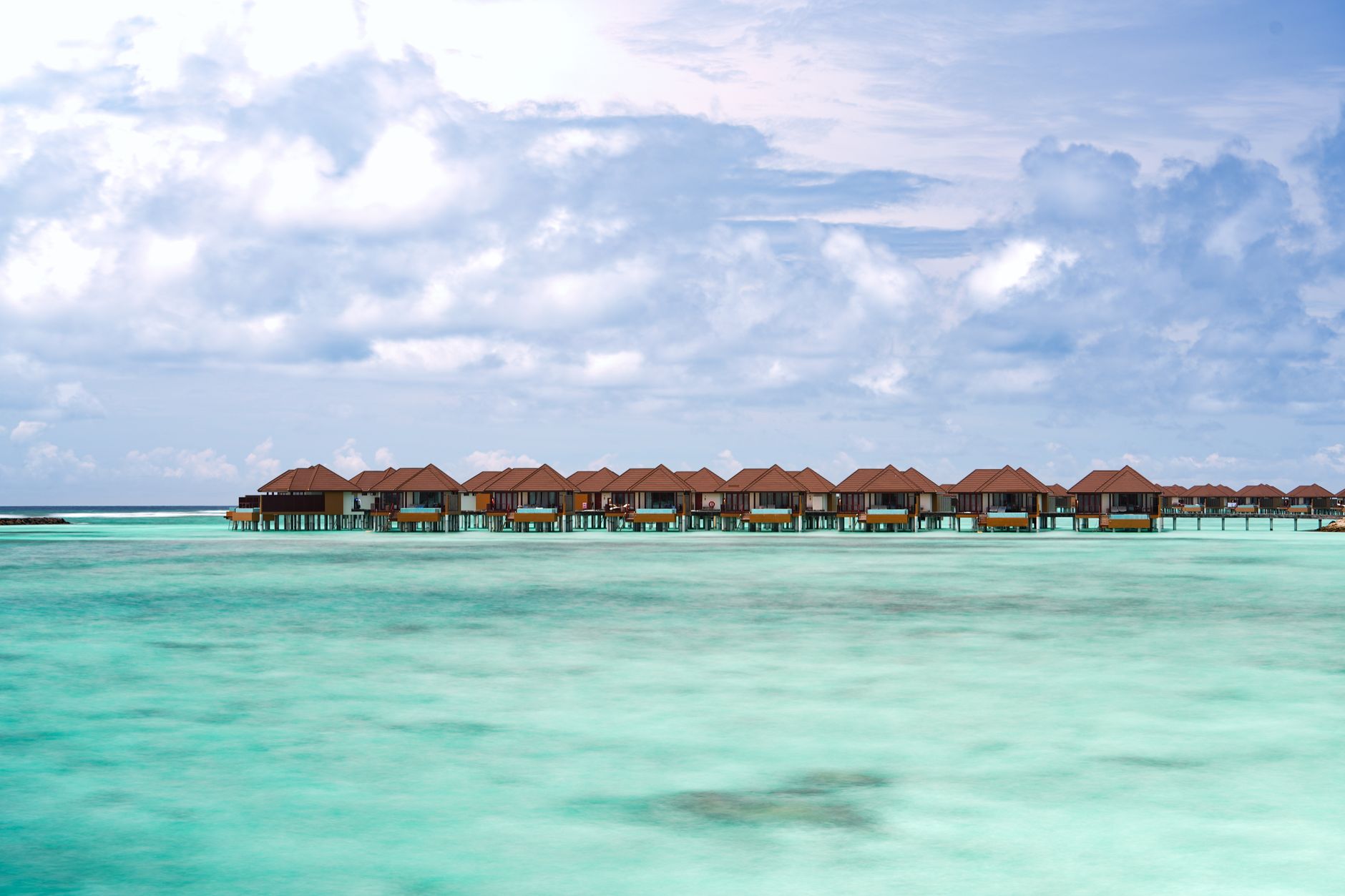
The Maldives has approximately 170 inhabited islands and a further 1,300 uninhabited ones. Of these, about 160 have been developed as resorts, with more opening every year. Each one is a marketing exercise in paradise. The photographs are invariably correct and completely identical. The choice of island is the only decision that matters, and it is almost never made with the right information.
What actually varies
Transfer time from the airport. Seaplane or speedboat. House reef quality. Whether the snorkelling is from the jetty or requires a boat. The room-to-sea configuration: do you step from your villa directly into water, or is there a sandy walk? Whether the food is genuinely good or merely fine. The size — and whether size, in this case, is a feature (more to do, more choice) or a liability (you need a buggy to reach breakfast).
These are the variables that determine the experience. Not the infinity pool dimensions. Not the pillow menu. The house reef — the underwater reef directly accessible from the shore without a boat — is the single most useful indicator of an island’s character. A strong house reef means you can snorkel whenever the light is right, without booking an excursion, without a guide, without a group. In the Maldives, that freedom is what people remember.
Seaplane or speedboat
Seaplane atolls are further from Malé and generally less developed. The transfer — 30 to 45 minutes in a Twin Otter over reef — is an experience in itself, and the islands it serves tend to be quieter and more varied in their marine life. The constraint: seaplanes operate daylight hours only, which means early-flight arrivals from India often require a Malé overnight, adding cost and logistics.
Speedboat islands sit closer to Malé — 30 to 90 minutes by boat — and offer more flexibility on arrival times. The atolls are smaller, some of the resorts busier. The trade-off is access versus atmosphere, and for most first-time Maldives visitors on tight dates, the speedboat island is the practical answer.
“The house reef is the single most useful indicator of an island’s character.”
The half-board question
Every Maldives resort packages food, and every package requires a decision. Bed and breakfast is the baseline and the one most honeymooners eventually wish they’d bought, because the restaurants are invariably good and the all-inclusive model at this price point doesn’t save money — it just removes agency. Full board or all-inclusive works for families with children who graze constantly and for guests who genuinely don’t want to think about a bill. For everyone else, half board — breakfast plus one dinner — is the sweet spot: structure without constraint.
The honest short list
We have opinions about which islands consistently deliver. The best house reef in the Maldives we’ve experienced is at Six Senses Laamu — the coral is in excellent health, the current is manageable, and the resort’s environmental program means the marine life has been accumulating for years. For families, Club Med Finolhu is the answer that doesn’t require a significant compromise on quality. For the full overwater suite and nothing else: the Park Hyatt Maldives at Hadahaa, as isolated as you can be while still having electricity and a serious restaurant.
Forget the infinity-pool dimensions and the pillow menu. Ask one question — how good is the house reef — and let the answer choose the island. Everything else is the same blue, shot from the same drone.