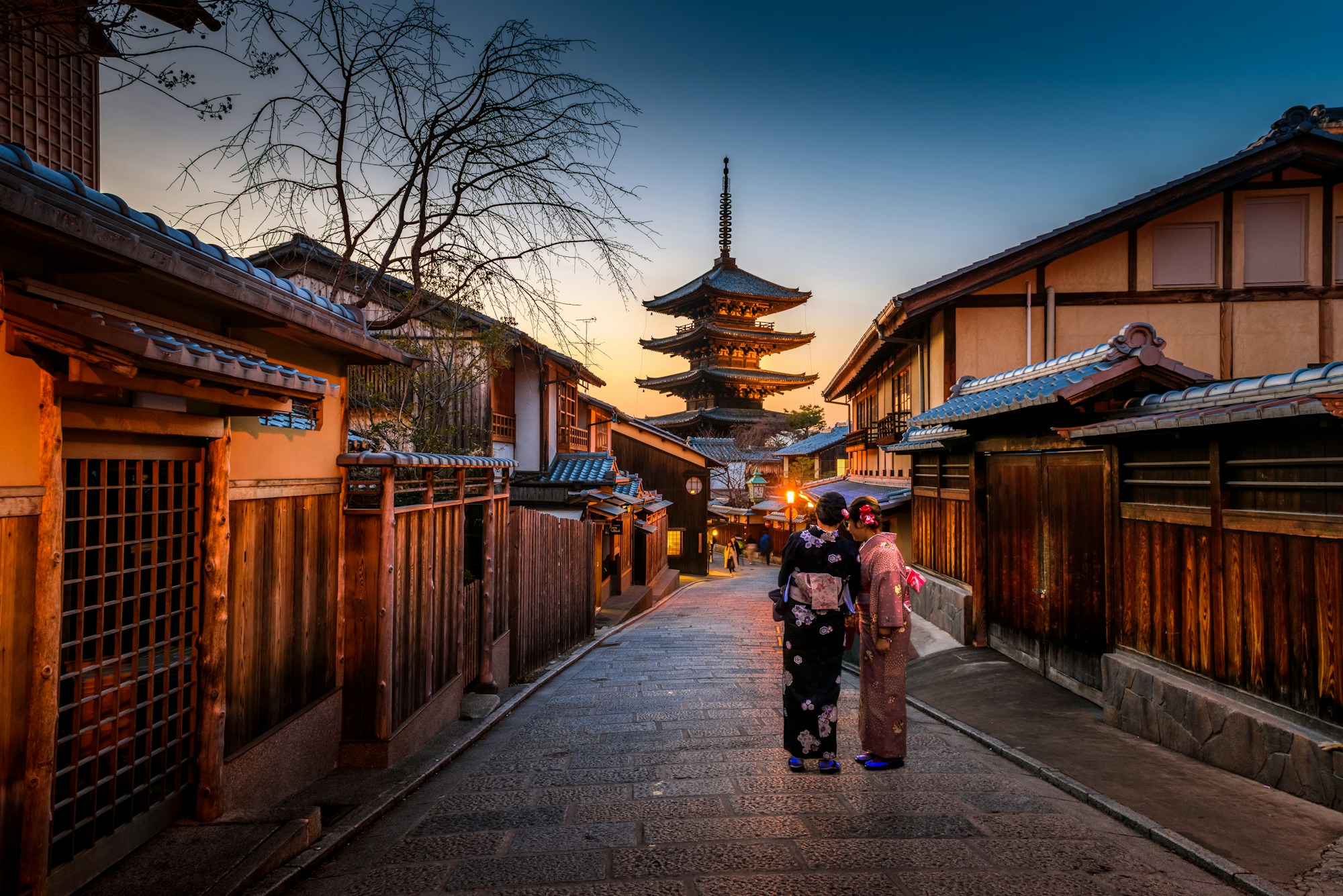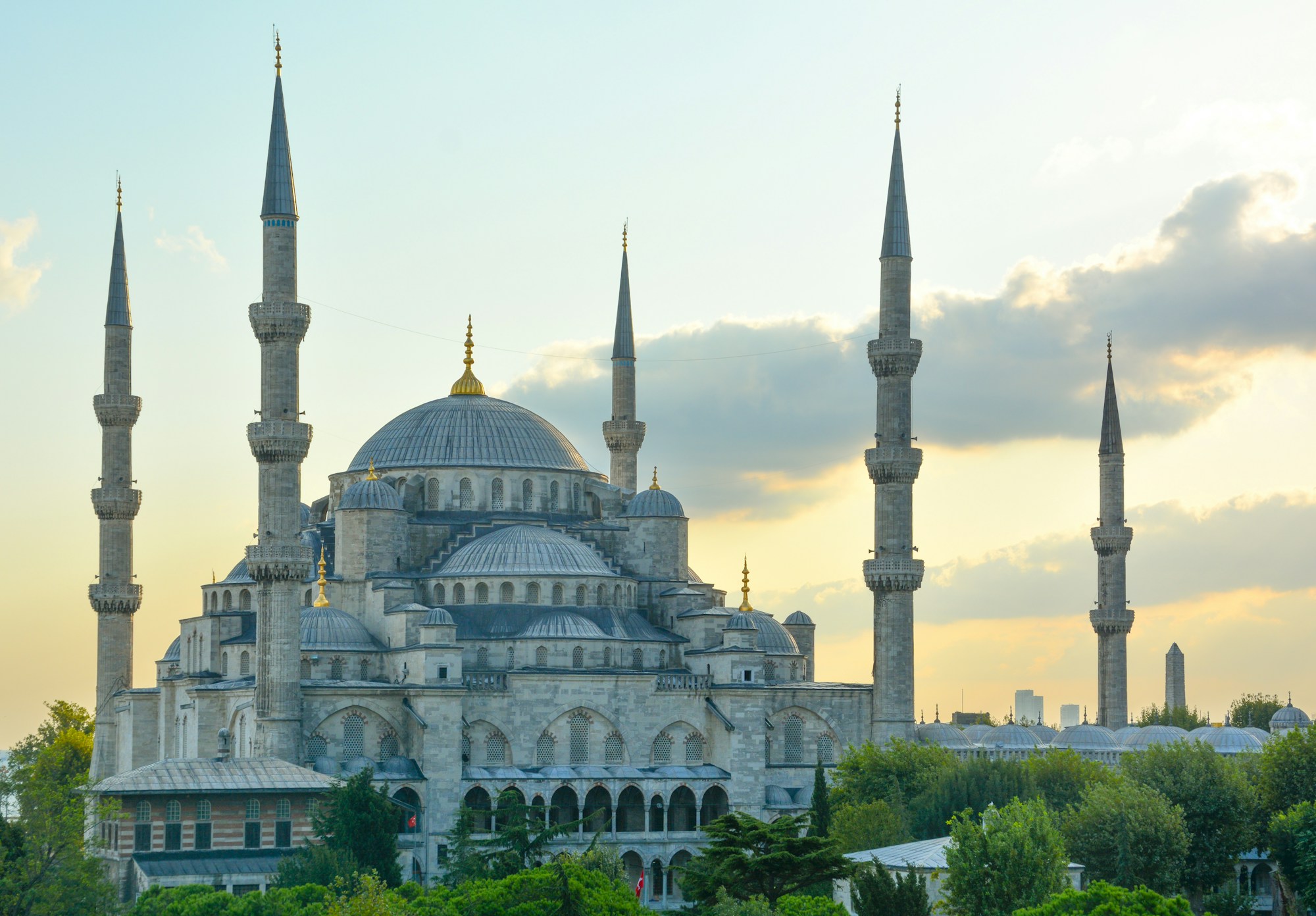

Wonder is what you feel when something made by human hands exceeds what you thought human hands could make. The Registan in Samarkand is a square of three madrasas covered in cobalt and turquoise tilework maintained for seven hundred years; standing in it at dawn, the scale and the refinement of it is not what you expected, even if you've seen every photograph. The Hagia Sophia is 1,500 years old and still operates at a psychological scale that the word ancient can't quite reach. The Kyoto temple garden at four in the morning, before anyone else has entered — these experiences share something: they were made by people who knew they were making something for the centuries, and the centuries have not diminished them.
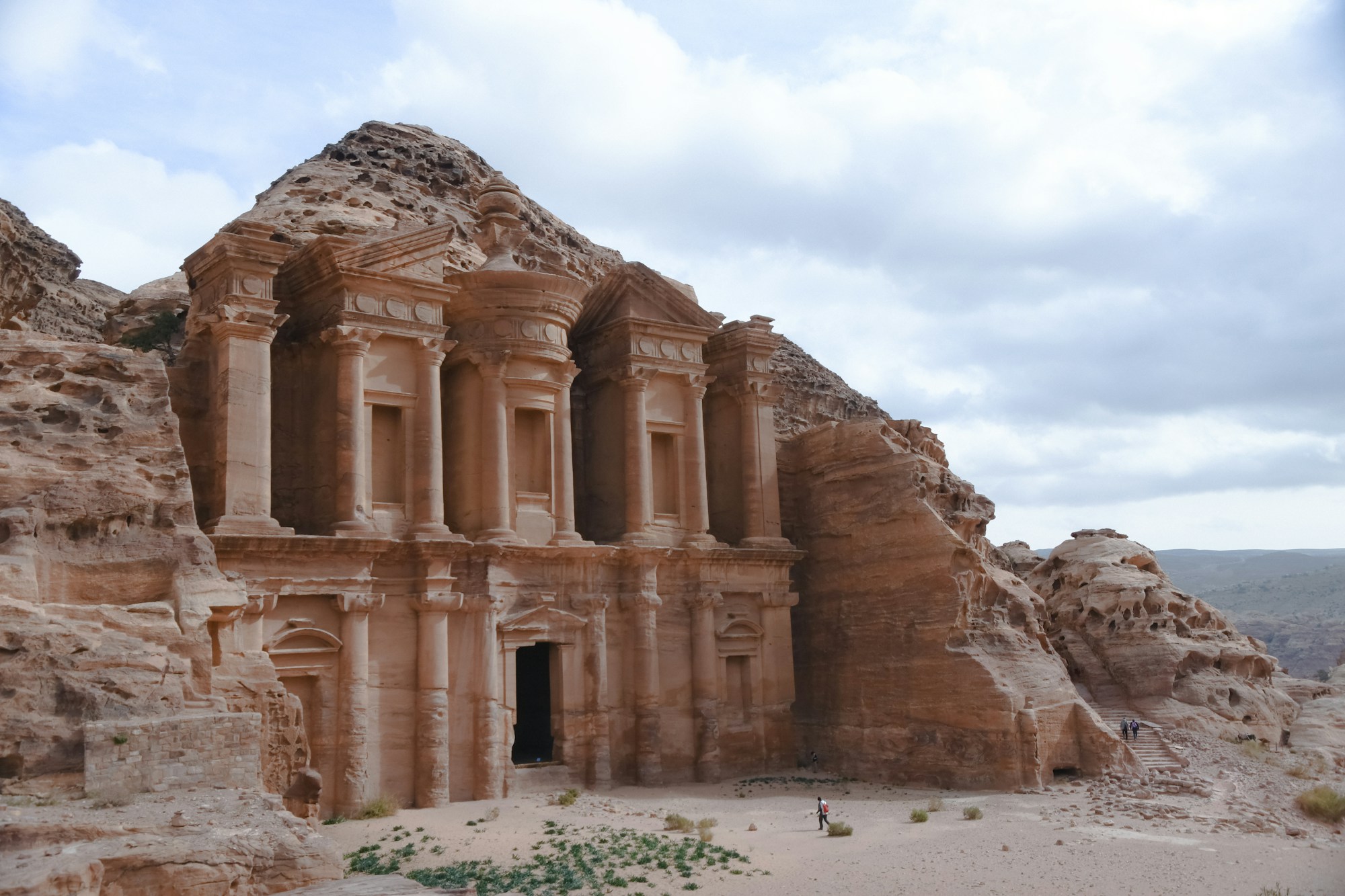
The wonder trip requires two things that are harder to deliver than they sound. The first is access to the experience before the crowds arrive — the Registan at dawn, the temple lane at six, the Treasury at Petra when the Siq is still in shadow. The second is context: the tilework of Samarkand is extraordinary on its own terms, and ten times more extraordinary when you understand the Timurid patronage system, the geometry underlying the arabesque, the craftsmen who were moved from Persia and China to build it. The right guide converts beauty into comprehension, and comprehension into wonder. These are not the same thing as a description you could read on a placard.
These are also, often, the trips that require the most patience with logistics. Uzbekistan's eVisa and high-speed train booking. Kyoto in cherry season booked nine months ahead. Petra's Jordan Pass and early start. The wonder is available; the friction around it is real. We handle the friction so the experience is clean — arriving in the right place at the right hour with the right person beside you, everything else already done.