DESTINATIONS  /  Africa  /  Kenya

Kenya

Destinations · Africa

Kenya

The migration, watched from your veranda. The rest of the year isn't bad either.

AMBOSELI · AUGUST

Kenya is the trip Indian travellers describe differently from any other. Not in terms of what they saw — the standard recitation of the wildebeest and the lion and the balloon — but in terms of what it did to them. The scale of the Mara in the dry season, with the dust and the long golden light and the animals moving as if the twentieth century hadn’t happened, has a way of rearranging the order of things. People come back from Kenya changed in some small way, and the interesting thing is that they’re rarely entirely sure why.

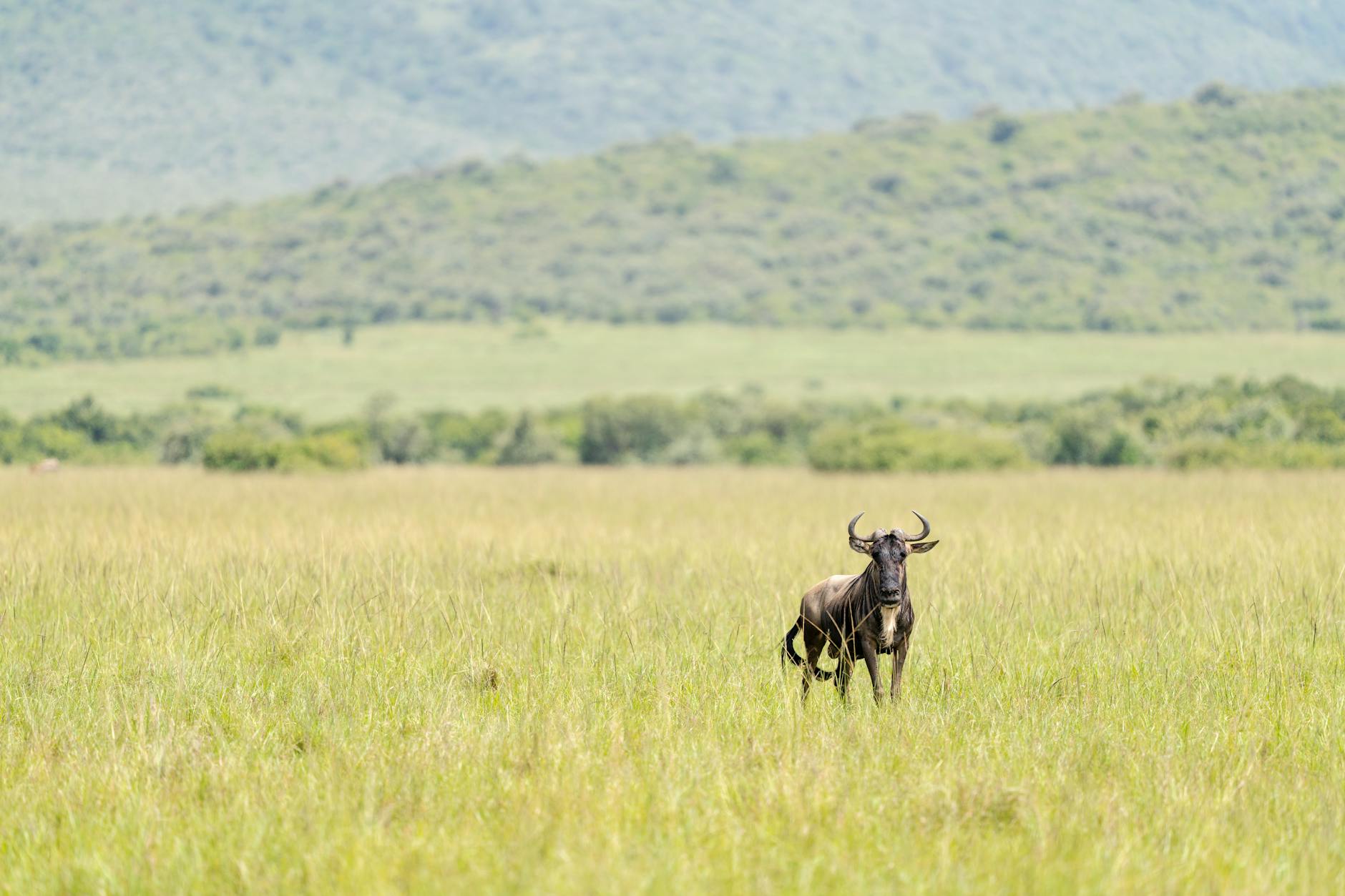
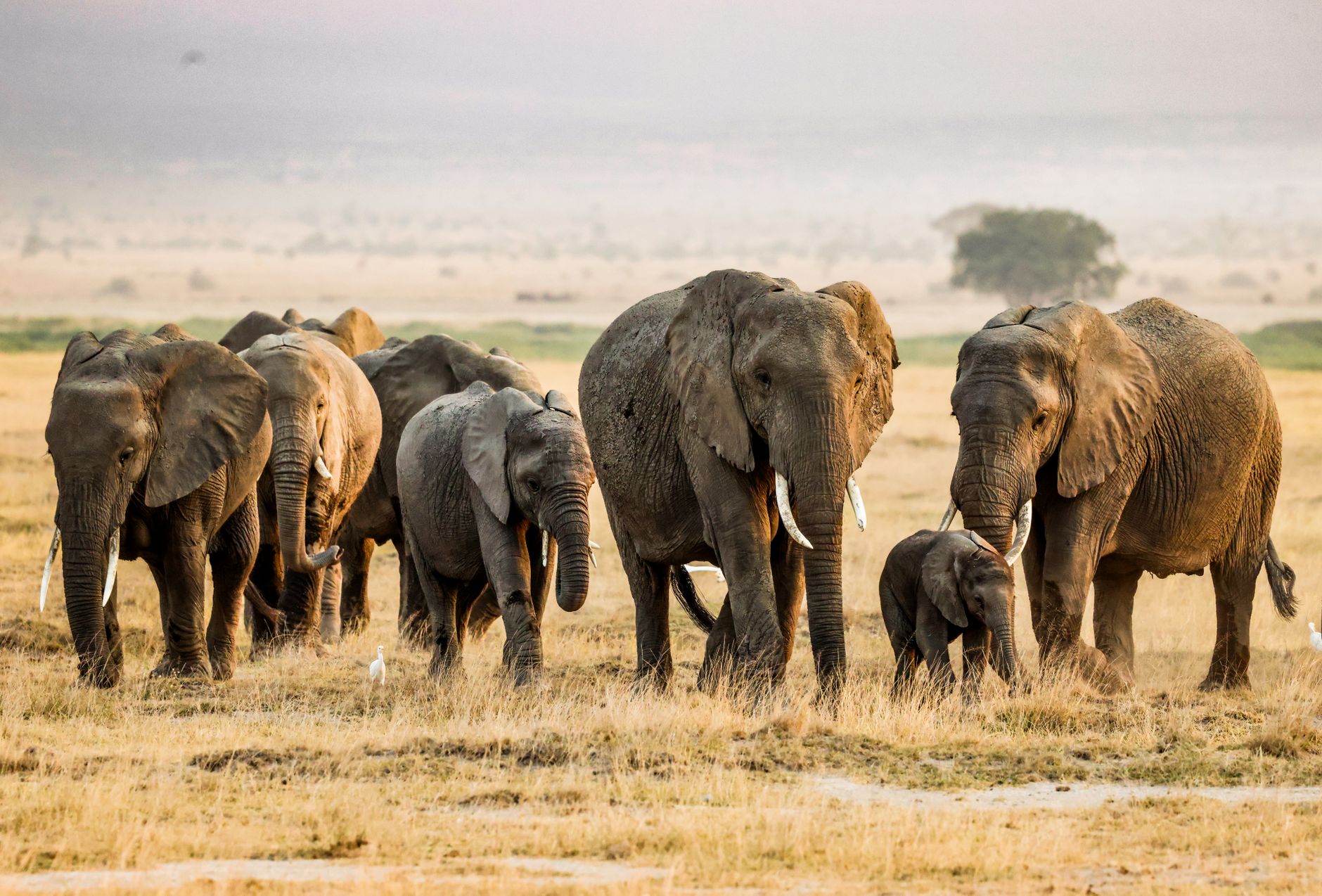
The migration is real and it is as extraordinary as advertised — a million and a half wildebeest moving from Tanzania’s Serengeti into Kenya’s Mara between July and October, the river crossings in August watched from riverbank camps where the crocodiles are already in position. But Kenya is not only migration season, and the clients who understand that have the better trip. January and February are the calving season in the southern Serengeti, when the opposite migration is happening and the predator action is intense — and the camps are quieter and the rates are lower. Amboseli, under Kilimanjaro, is its own thing entirely and has no migration: it’s the elephant herds, hundreds of them, moving under the clearest mountain backdrop on the continent. And Laikipia, the plateau north of Mount Kenya, is where the rhino tracking happens and where you can be the only vehicle on a private conservancy for an entire game drive.

The circuit question — which ecosystems in which order — is where most safaris go wrong. Nairobi is a transit hub, and one night there is enough unless you specifically want Giraffe Manor, which is worth wanting but requires booking six to nine months ahead. Fly straight to the bush from arrival, spend your longest stretch in the Mara during your key dates, and add Amboseli or Laikipia as a second ecosystem depending on whether Kilimanjaro or rhinos are the draw. The domestic flights between camps take under an hour and cost far less than people expect. The yellow fever certificate and the malaria prophylaxis need to be organised before departure — we flag this in the pre-departure briefing and give you enough lead time to see a travel clinic.
Why with Alp

We’ve sent clients to Kenya across the seasons and for different reasons — migration, elephant photography under the mountain, rhino tracking, the Giraffe Manor morning. The guide matters more in Kenya than almost anywhere else, and we brief the camps on who’s arriving and what they want to see, rather than leaving the game drive to chance. The yellow fever documentation, the domestic flight logistics, and the eVisa are the pre-departure layer we handle so the trip starts at Wilson Airport and not at the immigration desk with a missing certificate.

The places

Where to go, and when

Masai Mara, Kenya

Masai Mara

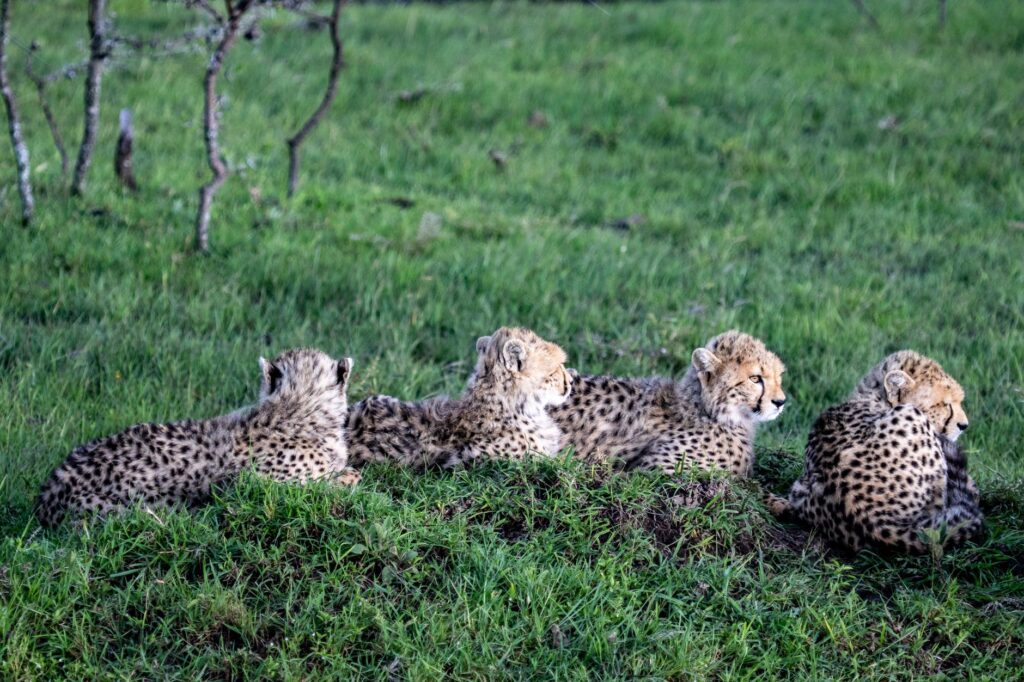
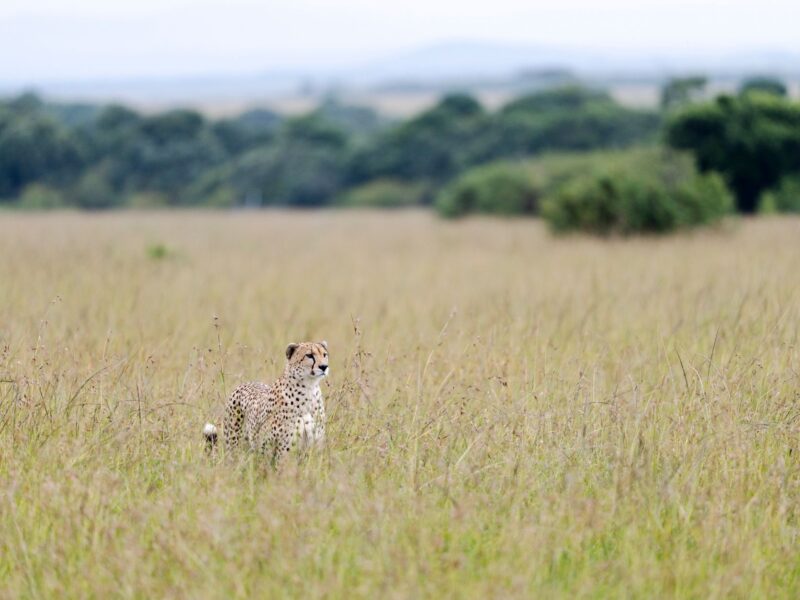
The wildebeest migration — over a million animals moving between Tanzania's Serengeti and Kenya's Mara from July to October, the river crossings in August among the most dramatic wildlife events on earth. Outside migration season, the resident predator density is unmatched anywhere on the continent.

When Jul–Oct for the migration and river crossings; Jan–Feb for the calving season in the Serengeti north (quieter and underrated). Avoid April–May (long rains, many camps close).
Stay Luxury tented camps. Some are mobile — moving to follow the migration. The fixed camps have pools; most don't need them. Angama Mara on the escarpment edge, Singita Mara River camp-side.
Fali  Poncha / Pexels

Amboseli

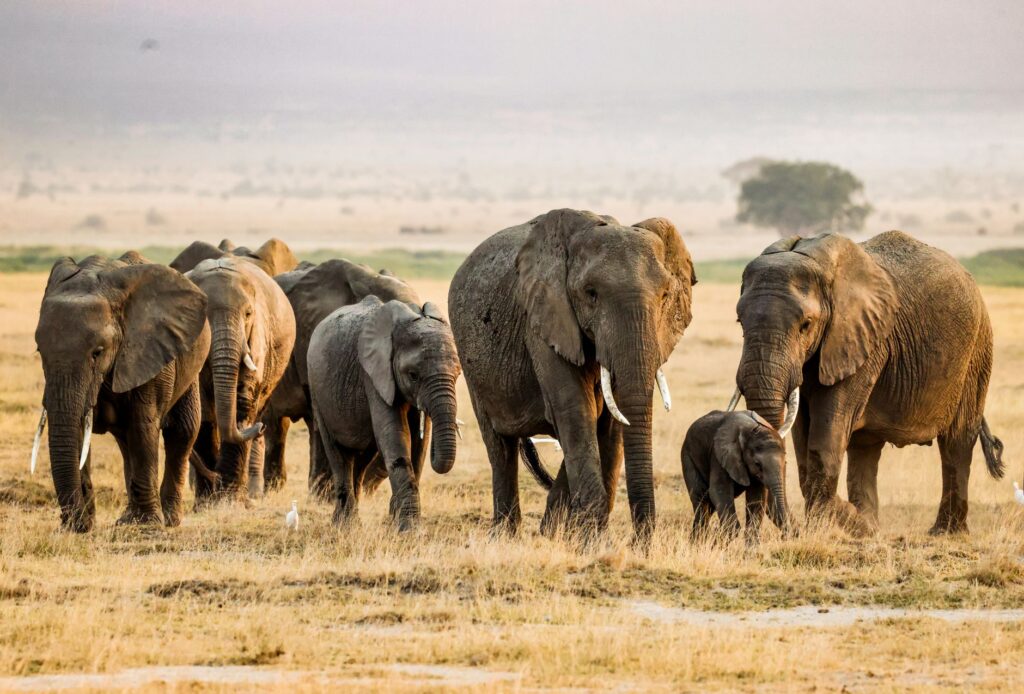
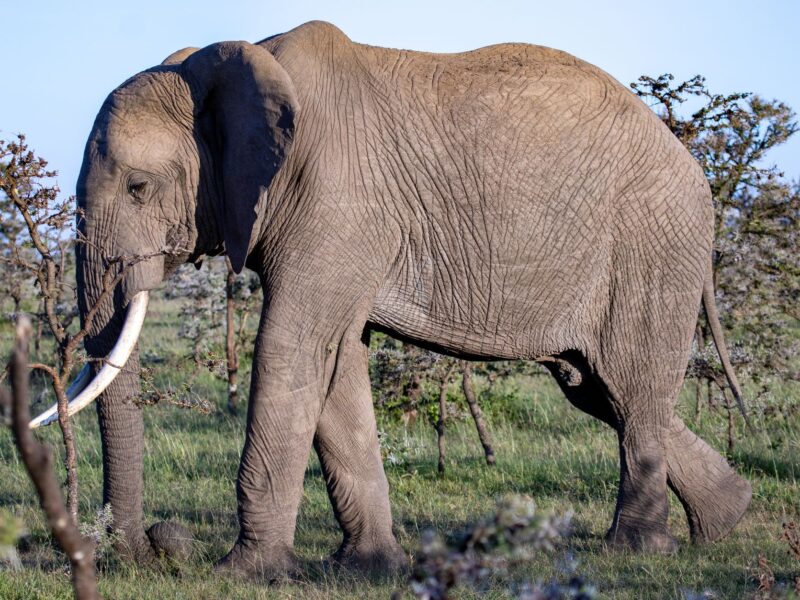
The largest free-roaming elephant population in East Africa moving under Kilimanjaro. The mountain is clear in the morning before cloud builds. The photography is different from anywhere else in Kenya — the volcanic dust, the dry lake bed, the backdrop.

When Jun–Oct and Jan–Feb. The dry season keeps the vegetation short and the animals visible. Morning Kilimanjaro views are most reliable June–September.
Stay Lodges and smaller camps. The escarpment camps have the best Kilimanjaro views. Book morning game drives for the mountain, afternoon for the light.
Gil DAIX / Pexels

Samburu / Laikipia

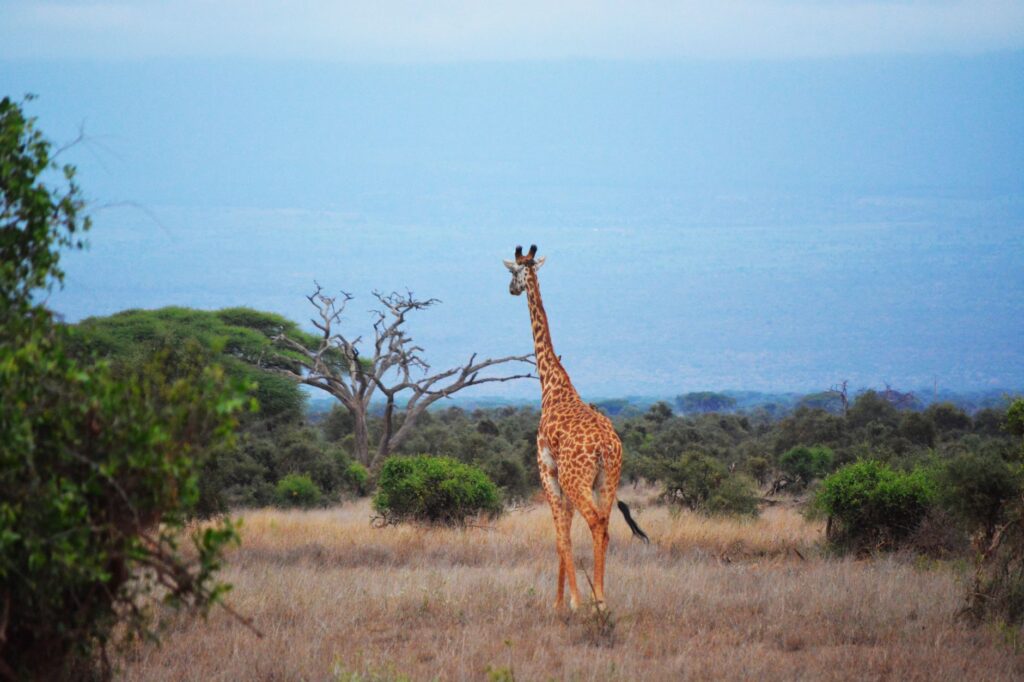
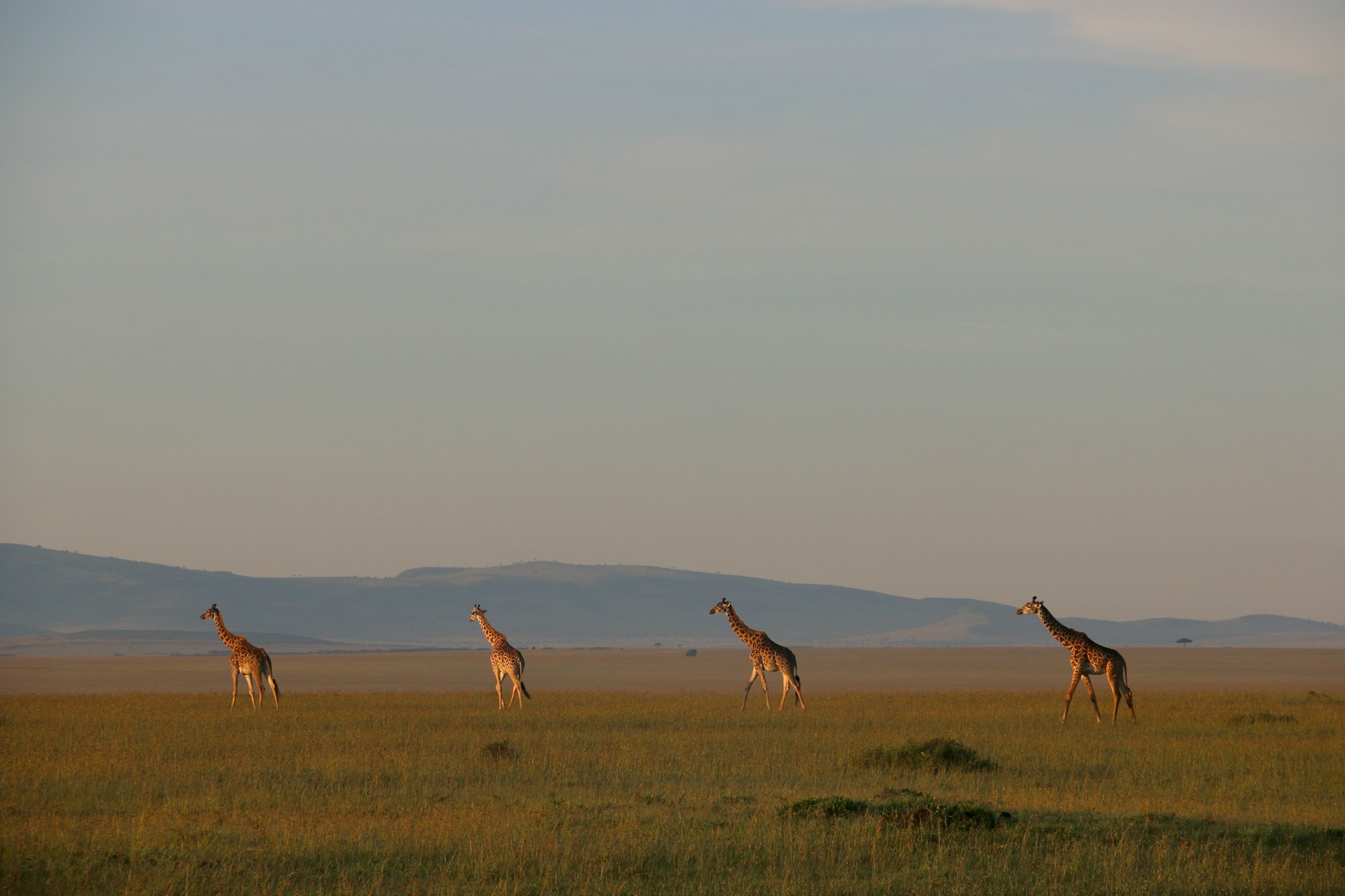
North Kenya — drier, wilder, home to the Samburu Special Five (Grevy's zebra, reticulated giraffe, Beisa oryx, Somali ostrich, gerenuk) found nowhere else. Laikipia plateau has the best rhino tracking on the continent, conservancy-managed, rarely visited.

When Jun–Oct preferred. Year-round in many camps — the north is drier than the Mara and less seasonal.
Stay Conservancy lodges and private camps. Fewer vehicles on game drives, often no other camps in sight. The Lewa and Ol Pejeta conservancies are models of wildlife management.
Justin  Brian / Pexels

Nairobi

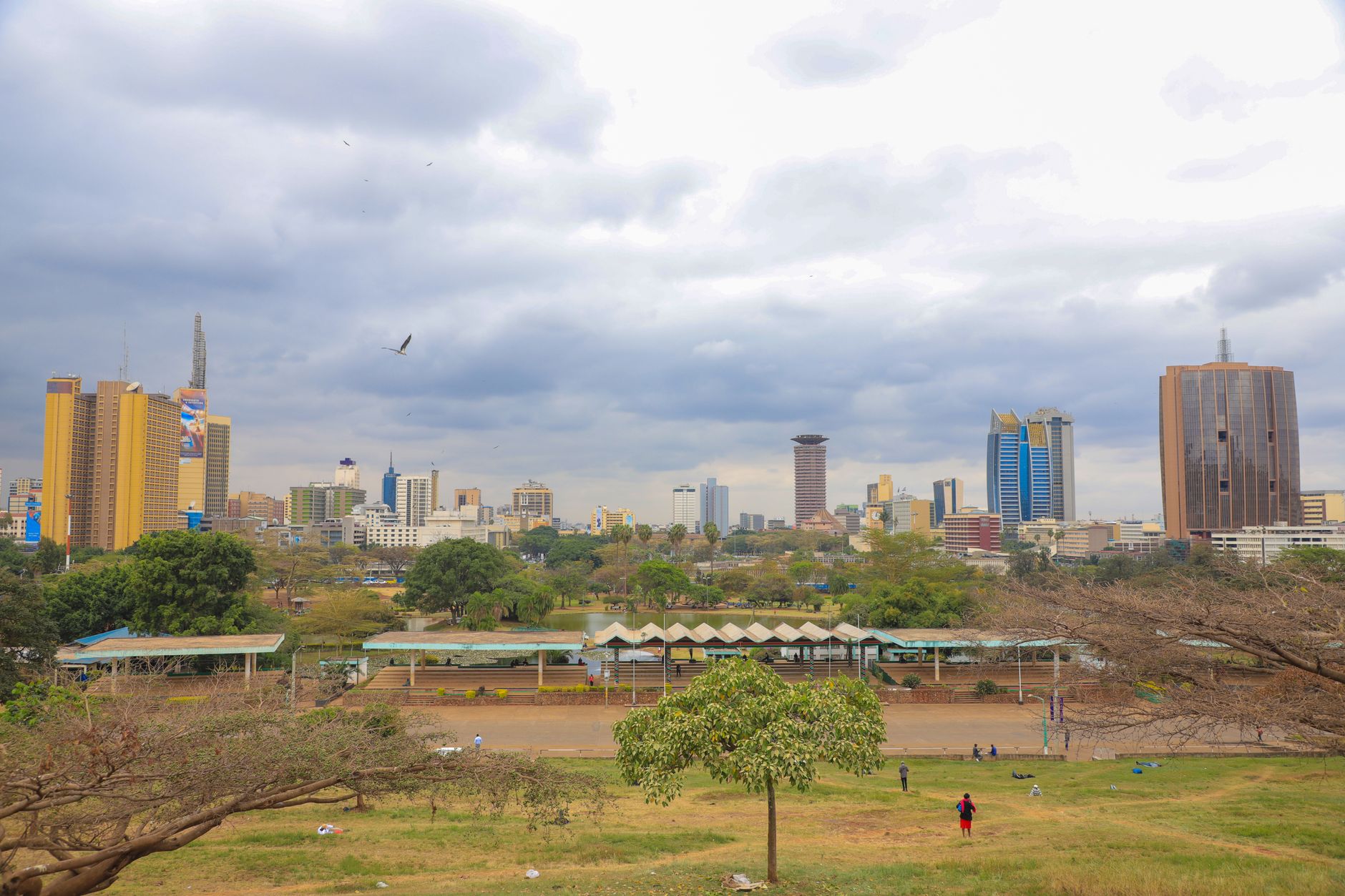
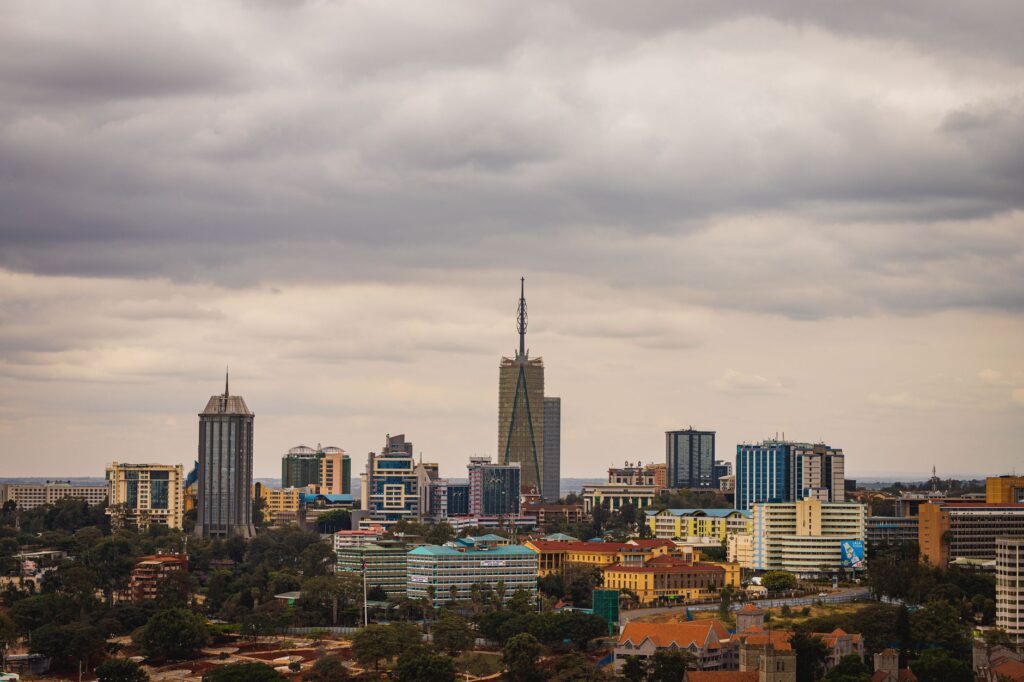
The only capital city in the world with a national park on its edge. The giraffe centre at Giraffe Manor, the elephant orphanage, the Karen Blixen Museum. A functional hub city with better restaurants and hotels than its reputation suggests.

When Year-round as a transit hub. One or two nights on arrival or departure from a safari circuit.
Stay Full-service hotels. Giraffe Manor (the most photographed breakfast table in Africa) for one night as a bookend — genuinely worth it, but book months ahead.

Stay

Where we book in Kenya

All 8 hotels →

Journeys here

Kenya, our ways

Journal

How we think about The Great Migration

From our travellers

"We'd wanted to do something special for our anniversary and Abhi made it unforgettable. A private cruise on the Seine, a table at a restaurant we couldn't have booked ourselves — and a surprise arrival amenity at the hotel that set the tone for everything."
Lita · Japan SURPRISE ANNIVERSARY · PARIS

Kenya, designed around you.

Tell us the dates and whether it's the migration you're after or the elephants under the mountain. The yellow fever timing and the bush flight logistics are already part of the plan.

Plan Kenya → WhatsApp us