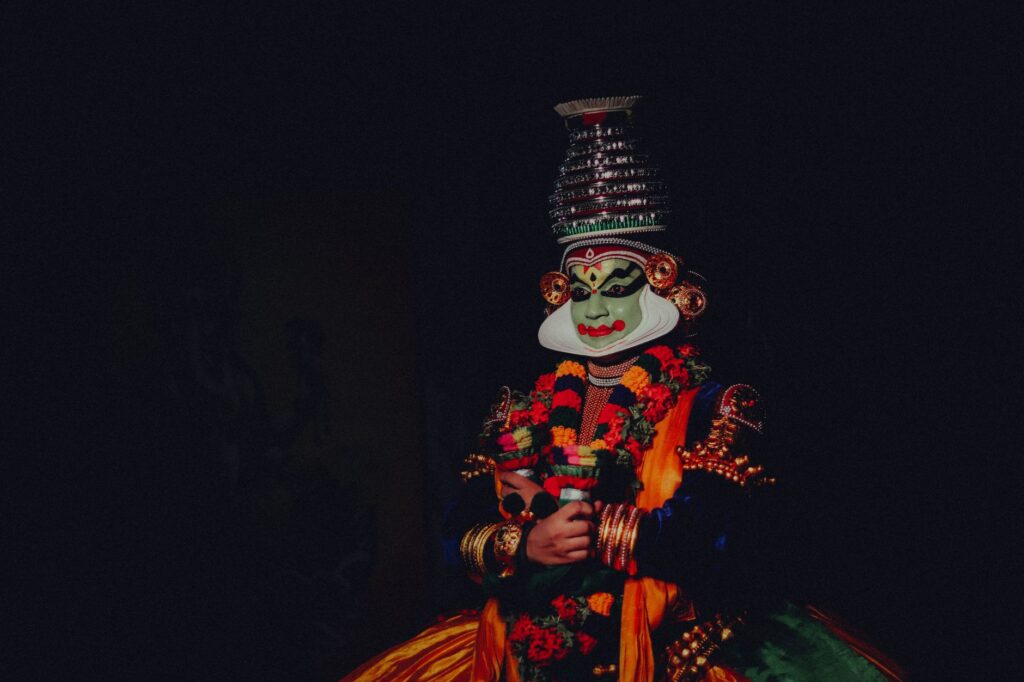

Kerala is the India that surprises people who arrive from the north expecting more of the same. The landscape alone — the narrow coastal plain, the backwater network of lagoons and canals between the Arabian Sea and the Western Ghats, the tea estate hills at 1,600 metres — is sufficiently different from the deserts and forts of Rajasthan to feel like a separate country. The pace is different too: slower, greener, more water than stone. The Sadhya — a feast of twenty-five vegetarian dishes served on a banana leaf, eaten with the right hand in the correct order — is one of the great culinary ceremonies of India and is available at every good restaurant in the state.
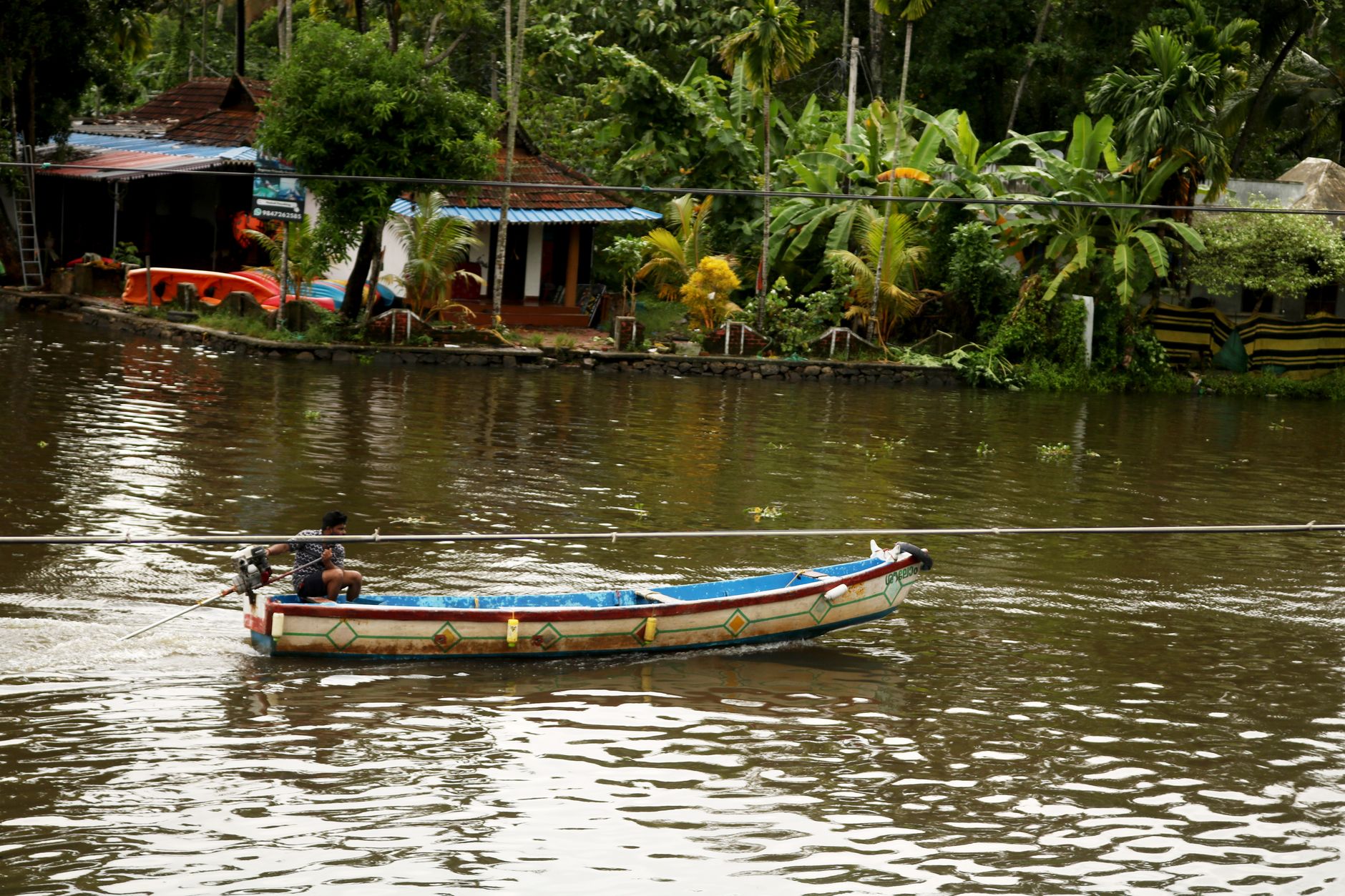
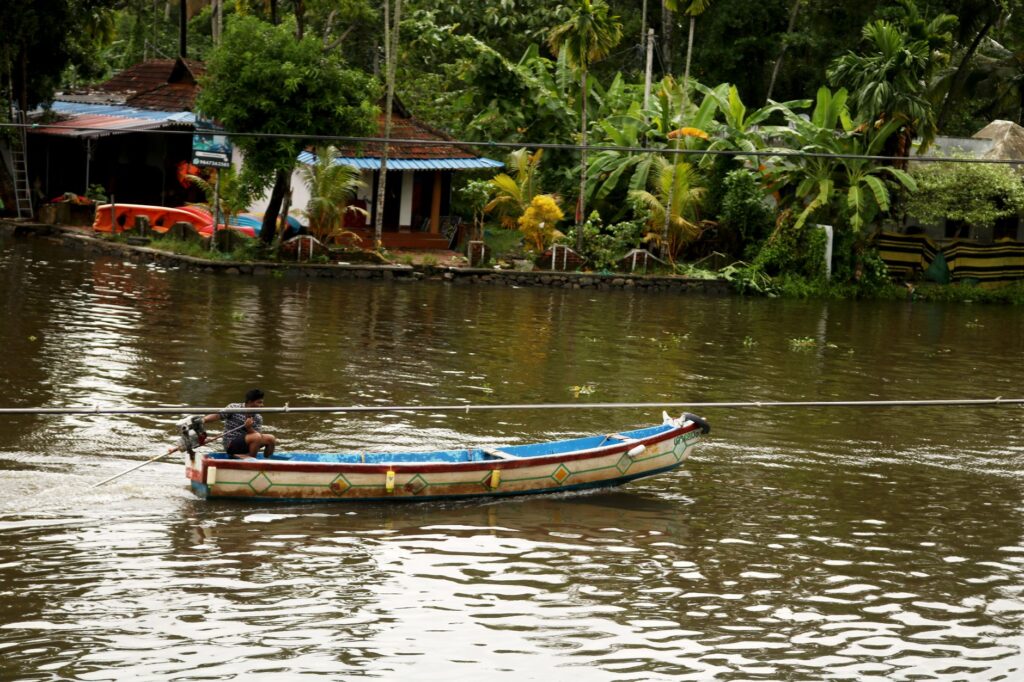
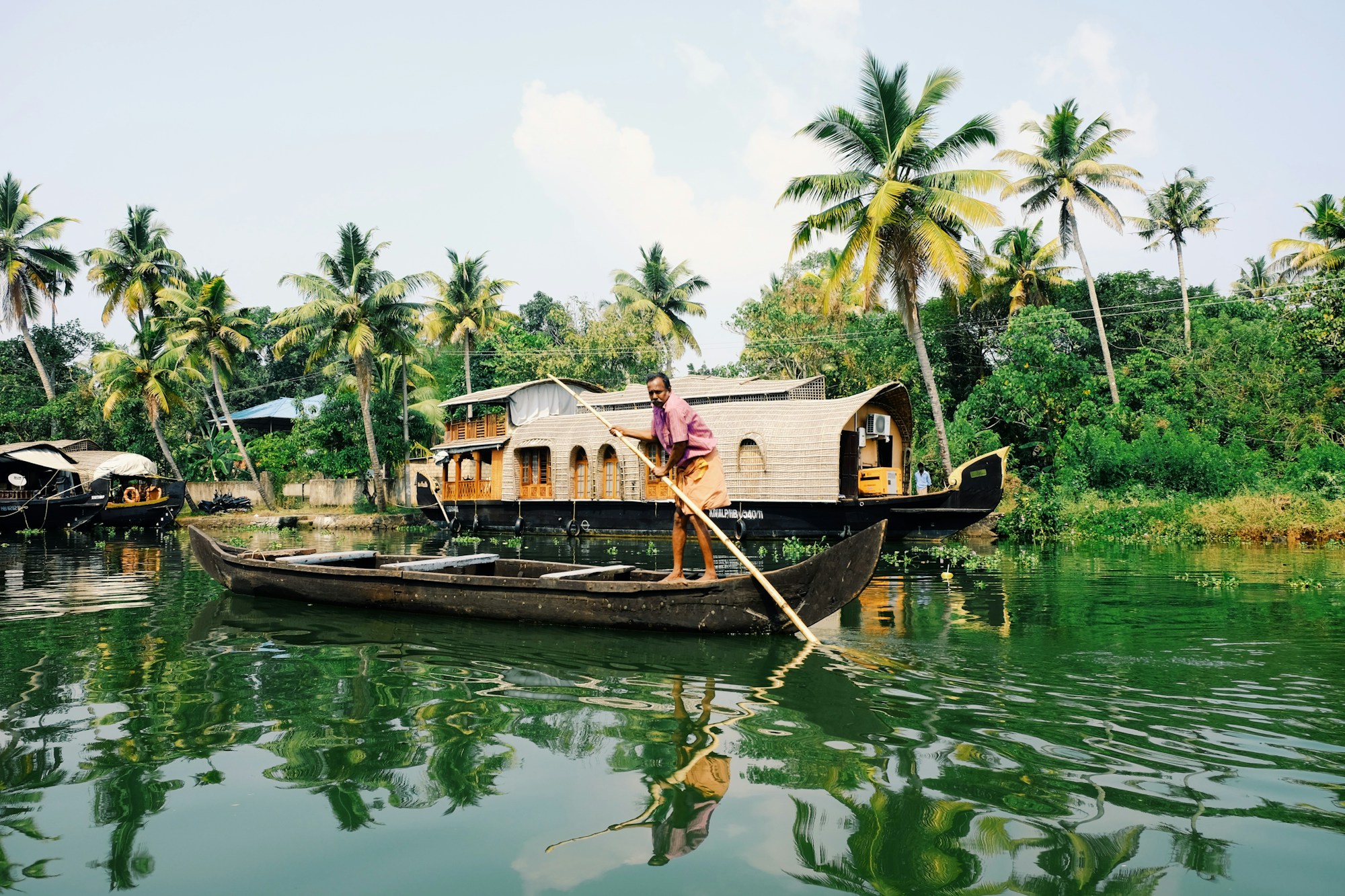
The backwaters are the experience the state is built around, and they earn their reputation. The Kumarakom Lake Resort sits on a private backwater channel with the Vembanad Lake behind and a heritage house at its centre that was moved stone by stone from its original site. A morning on the water here, before the rice paddies wake and the kingfishers start, is as quiet and specific a luxury as the Maldives offers from a different ocean. The private houseboat on the Alleppey canals is the alternative version — a night moving slowly through the canal network — and works best when combined with a resort stay rather than replacing it.
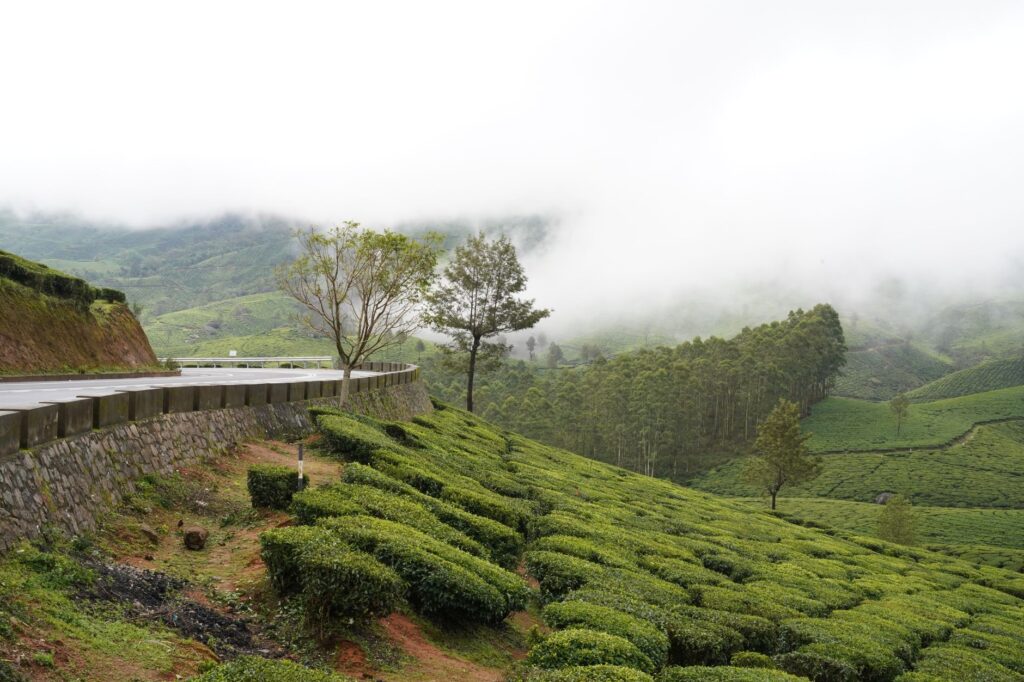
Munnar is the close for a nine-night Kerala trip: a three-to-four hour drive through the Periyar wildlife corridor into the tea estates at altitude, cool nights, the first real chill of the India trip. The tea factory tours here are run by the Tata group, which has been in these hills since the British planted the first bushes in the 1890s, and they are genuinely educational. The drive back to Kochi for the flight home is the last slow look at the landscape.