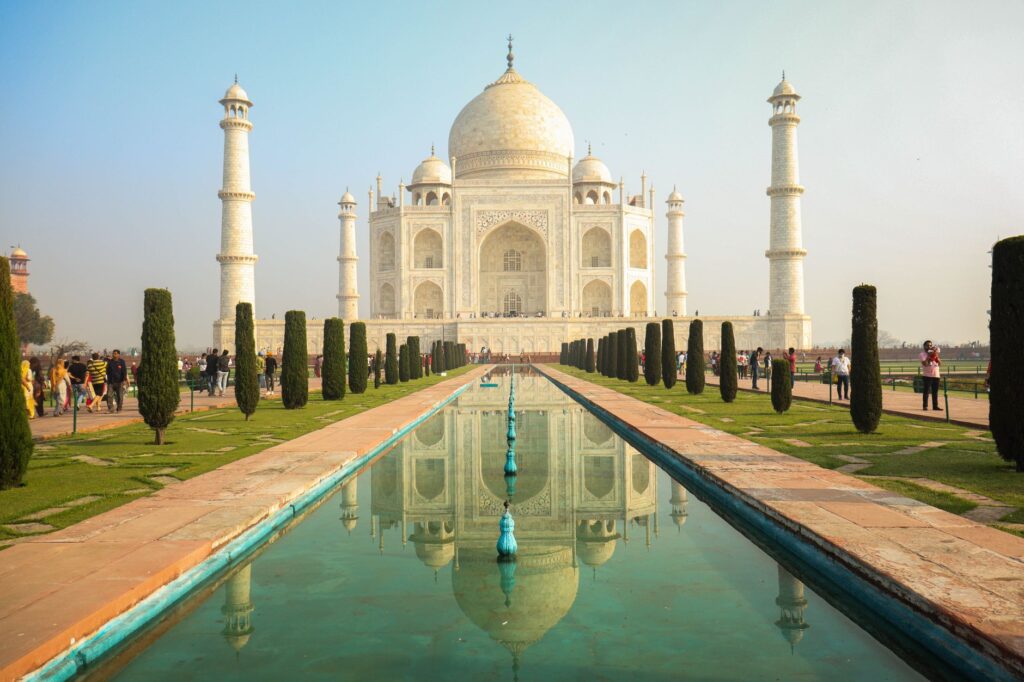

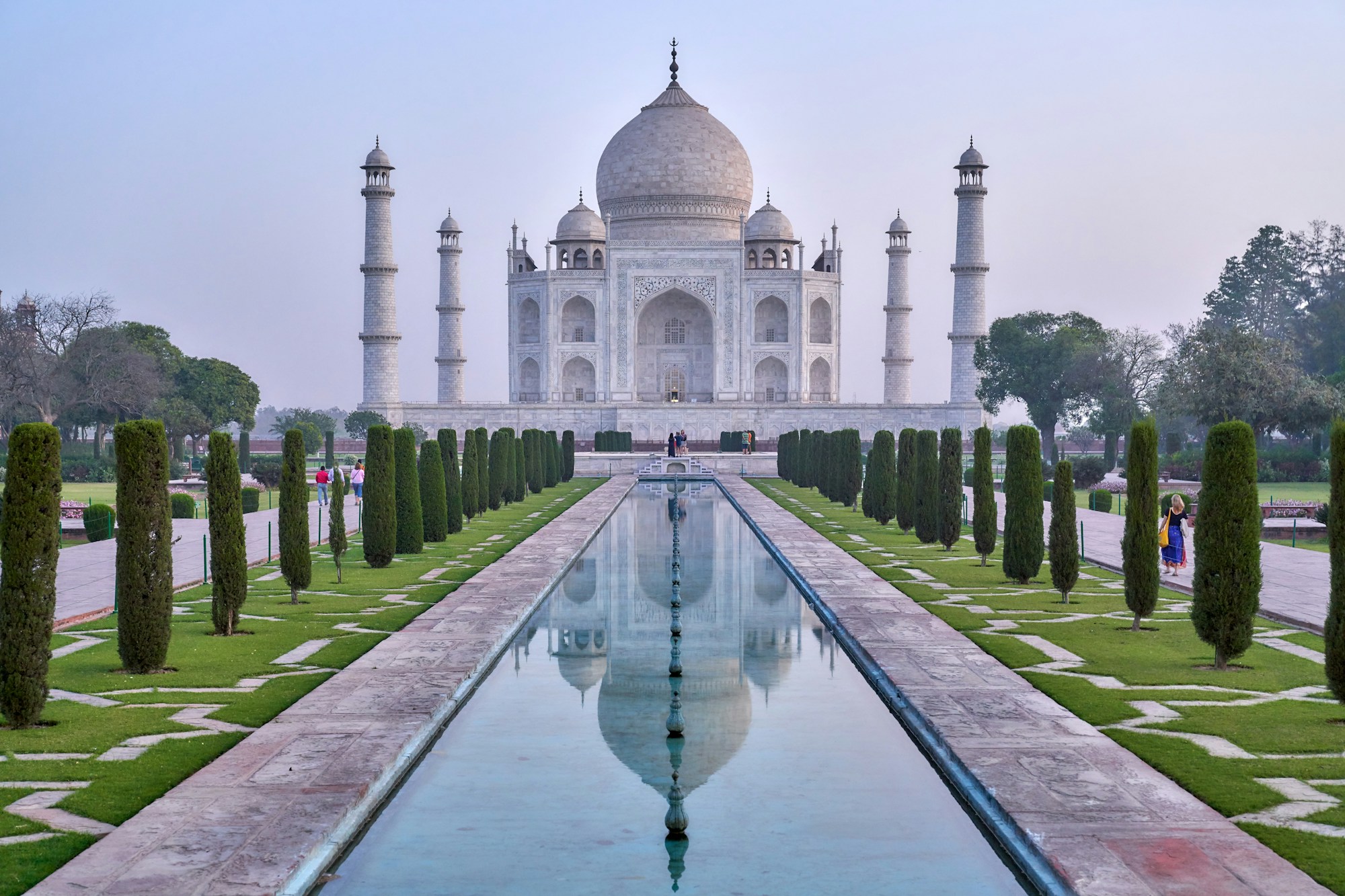
India at the luxury level is the country most Indian travellers have been meaning to properly explore and have been putting off in favour of somewhere abroad. This is the most common travel pattern we see and the most understandable: what you know well is hard to see as a destination, and India requires a particular kind of design attention to become one. The Taj Mahal at dawn, before the first tour buses arrive, is not a tourist experience. It is one of the most overwhelming things a person can stand in front of — the scale of it, the symmetry, the way it seems to float above its own reflection — and it is available to anyone who leaves the hotel before six and hires a car rather than joining a group.
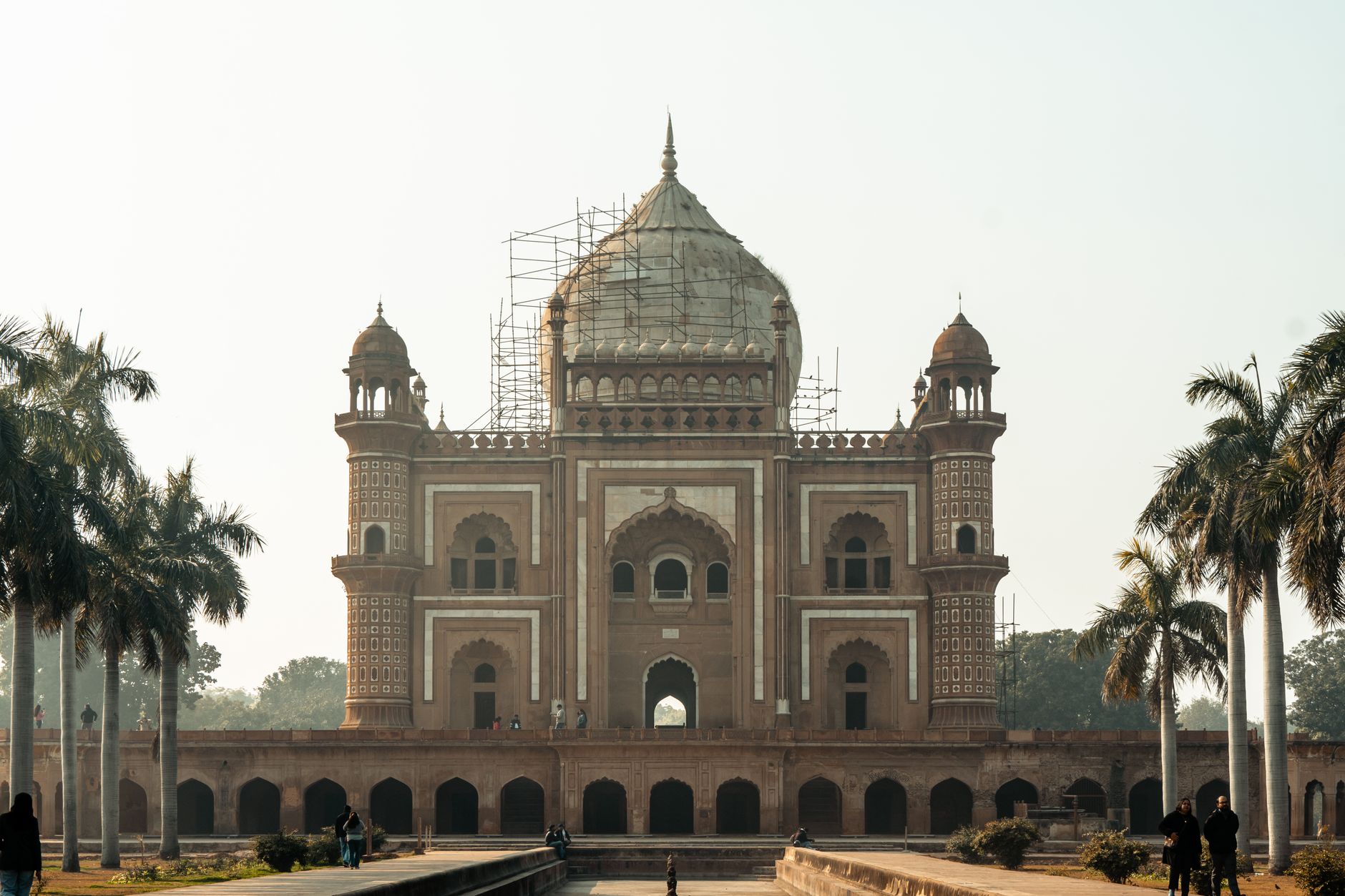
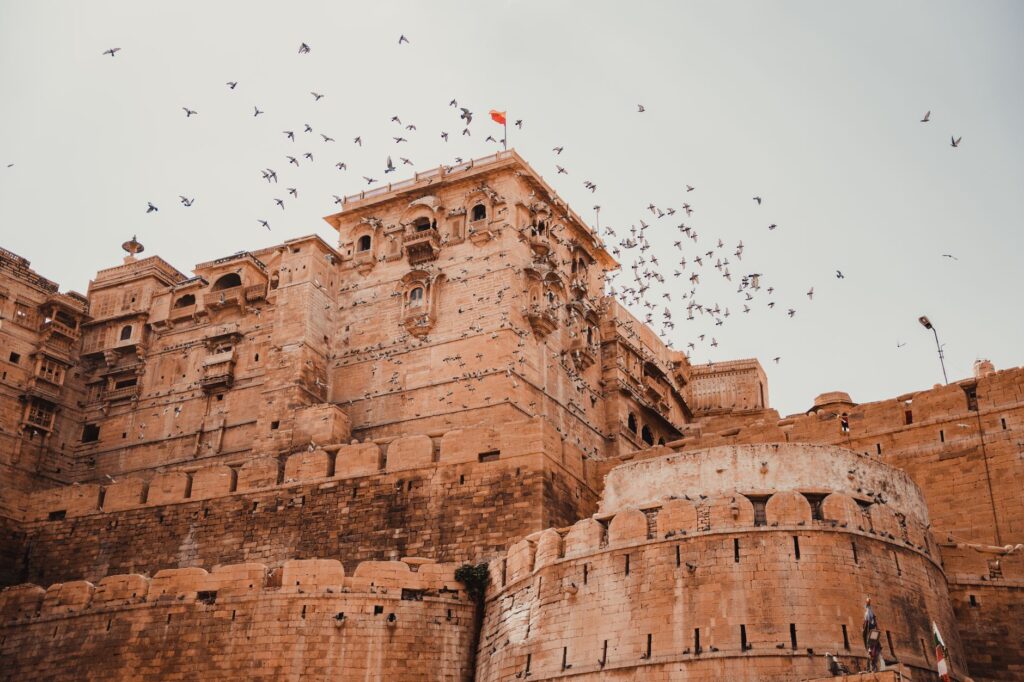
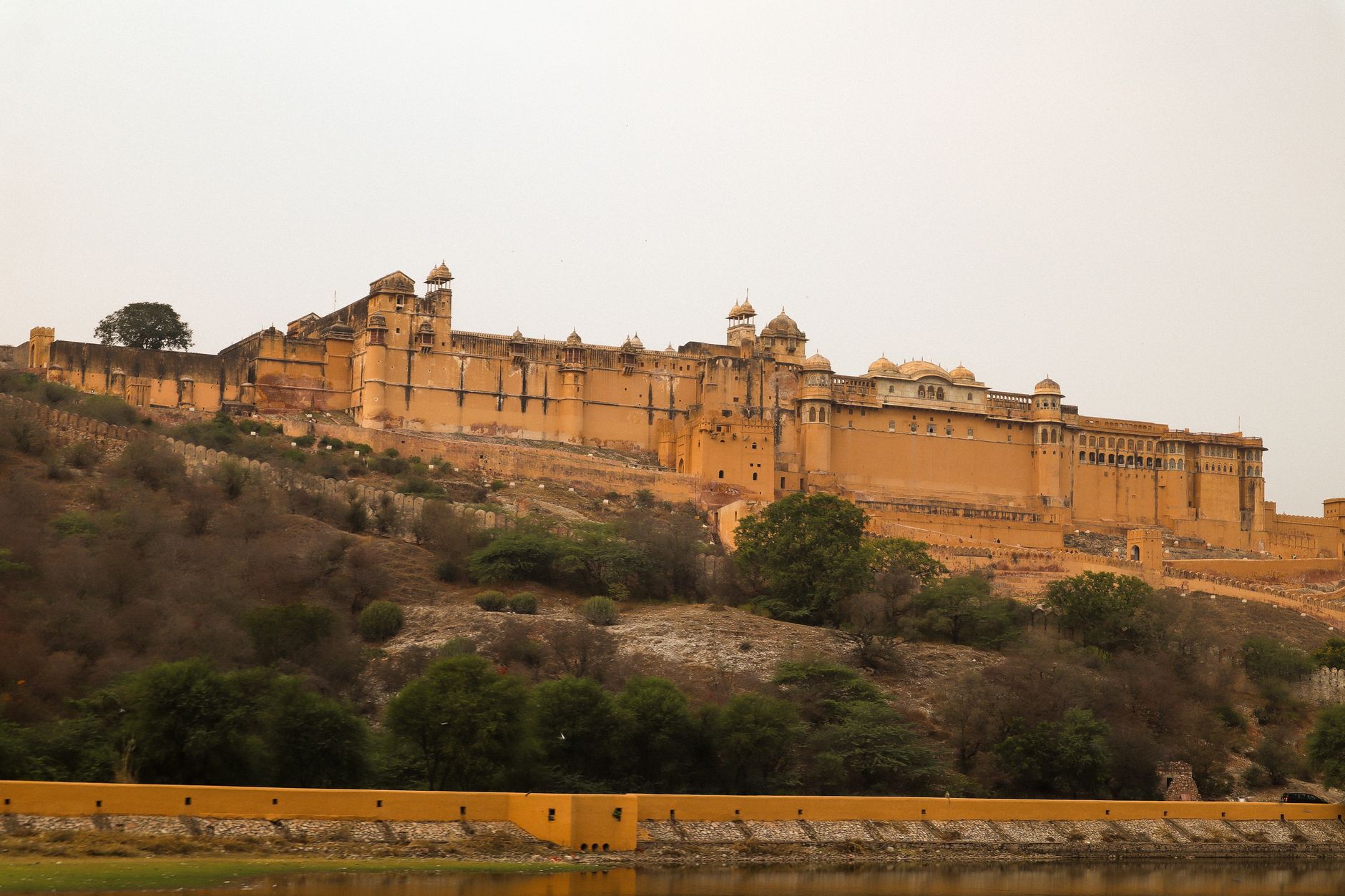
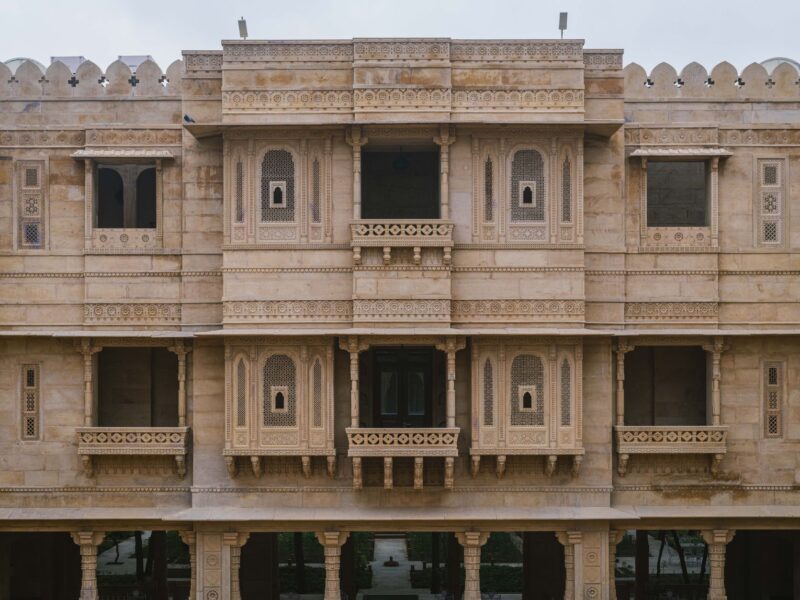
Rajasthan is the circuit that earns India for most first-time luxury travellers within the country. Delhi for two nights — Humayun’s Tomb before the Taj Mahal, because Humayun is the precedent that makes the Taj legible, and it is barely visited — then south to Agra, then west through the circuit of the great Rajput cities: Jaipur, with its pink stone and its Amber Fort and its extraordinary stepwells; Jodhpur, where the blue city climbs the hill below the Mehrangarh and the Umaid Bhawan Palace is one of the great Art Deco buildings in the world; Udaipur, the most beautiful city in India by some measures, with the Taj Lake Palace floating on its lake and the City Palace running along the shore. The private car and driver rather than the train — the roads between these cities reward looking out the window, and the schedule is entirely yours.
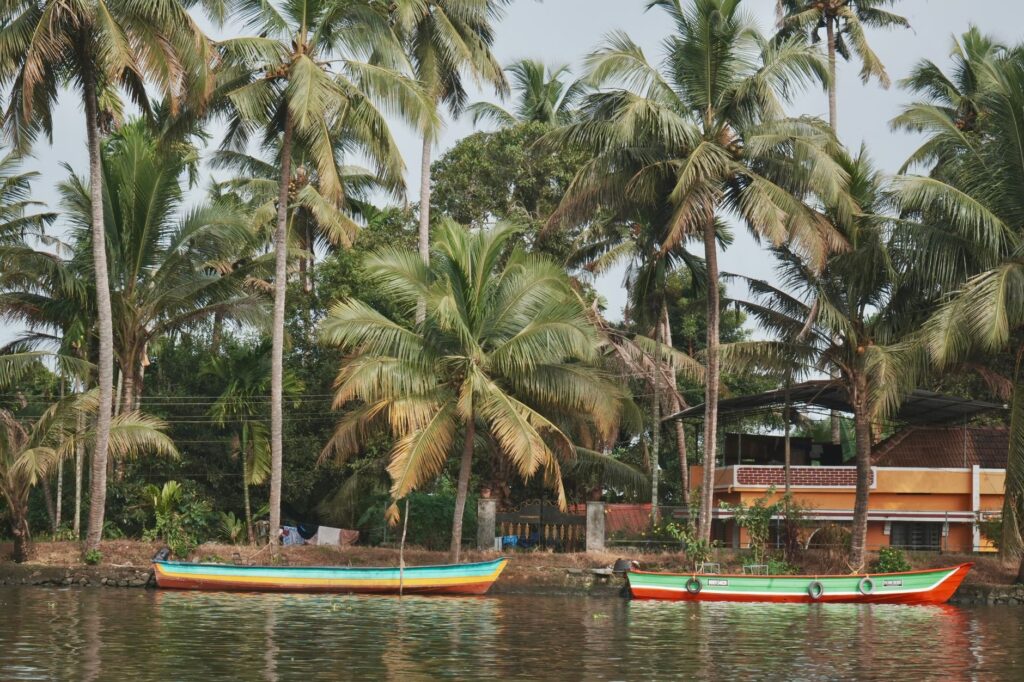
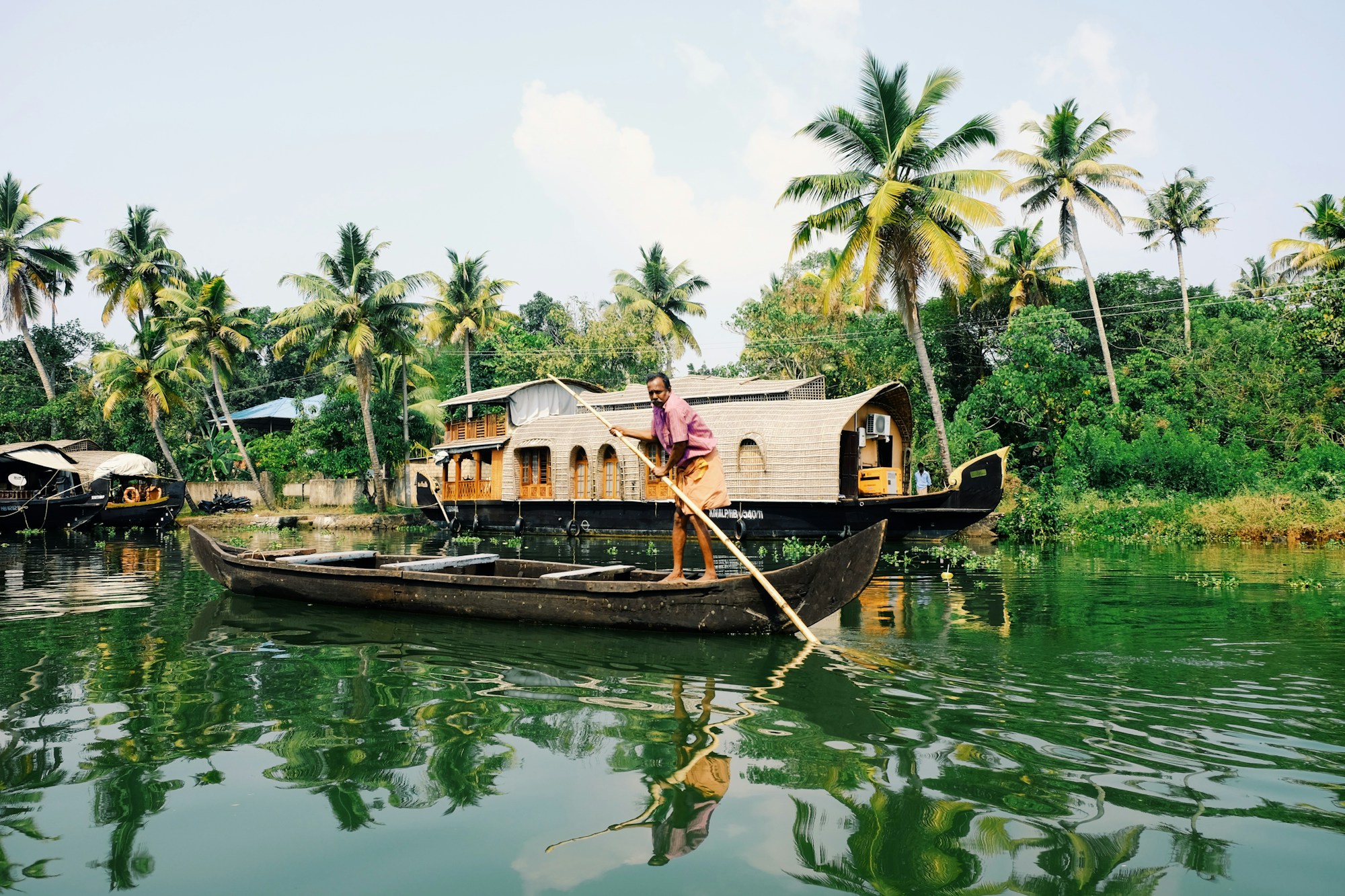
Kerala is a different country. The backwaters at Alleppey are a canal network through rice paddies and coconut groves that functions as a world unto itself, navigated by houseboat at a pace that matches the landscape’s own. The Kumarakom Lake Resort is the property that understands this best. Goa is the close — the Portuguese churches and the beach and the seafood and the sunset at Vagator or the quiet at Palolem, depending on what the trip needs by the end.