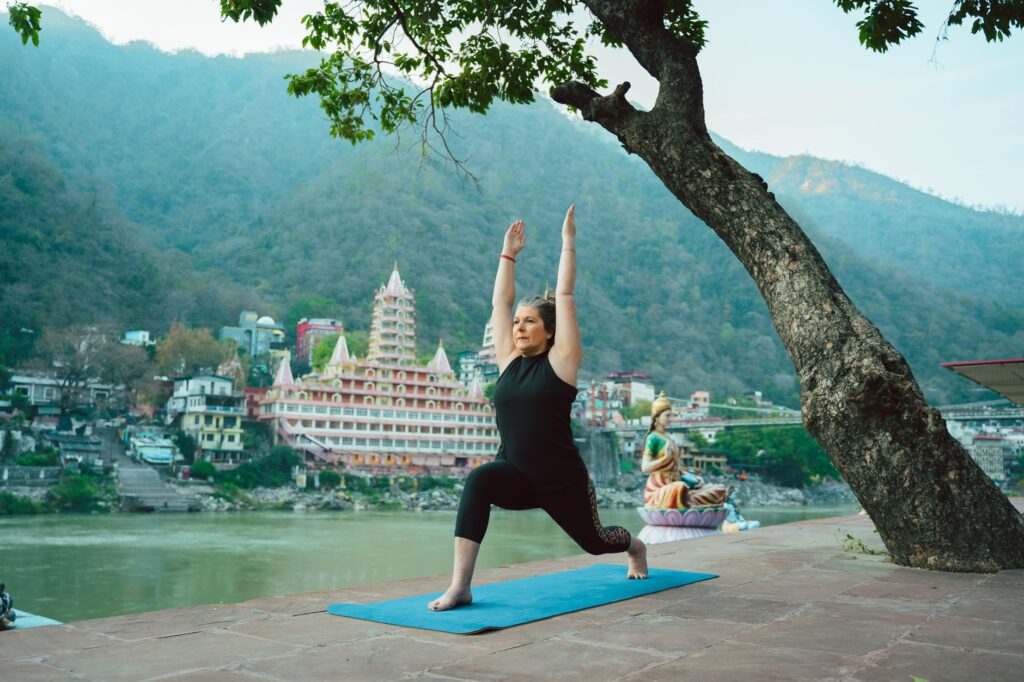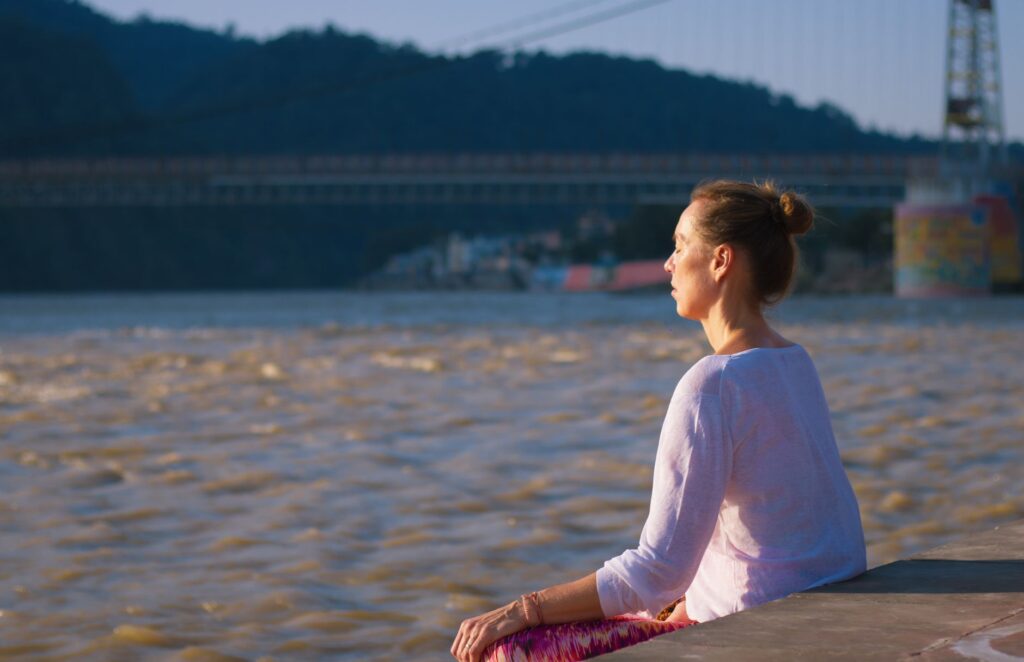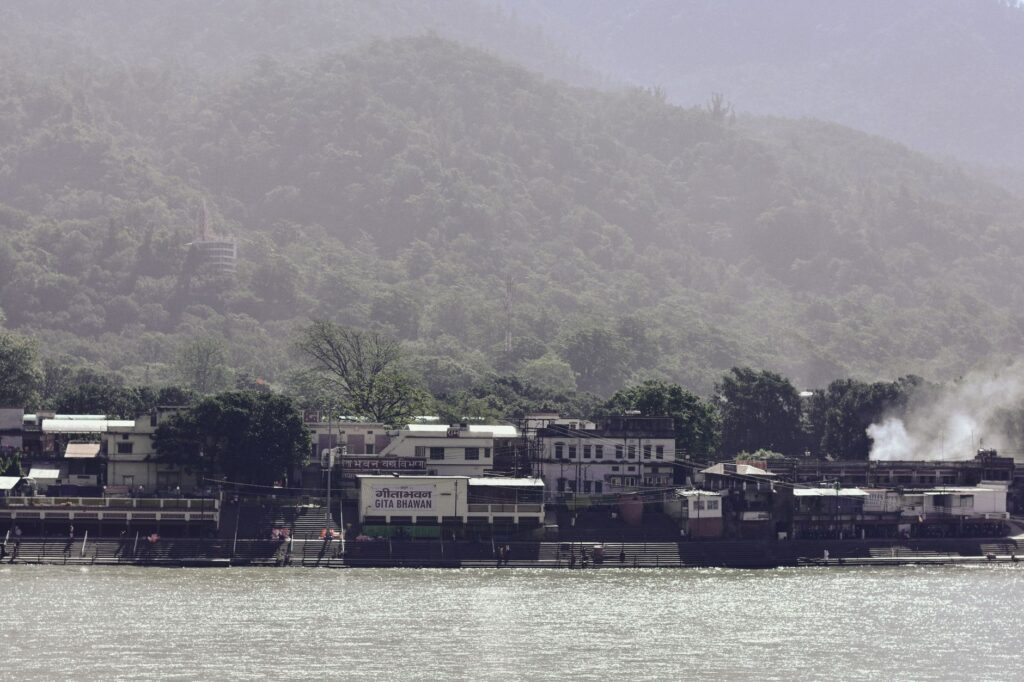

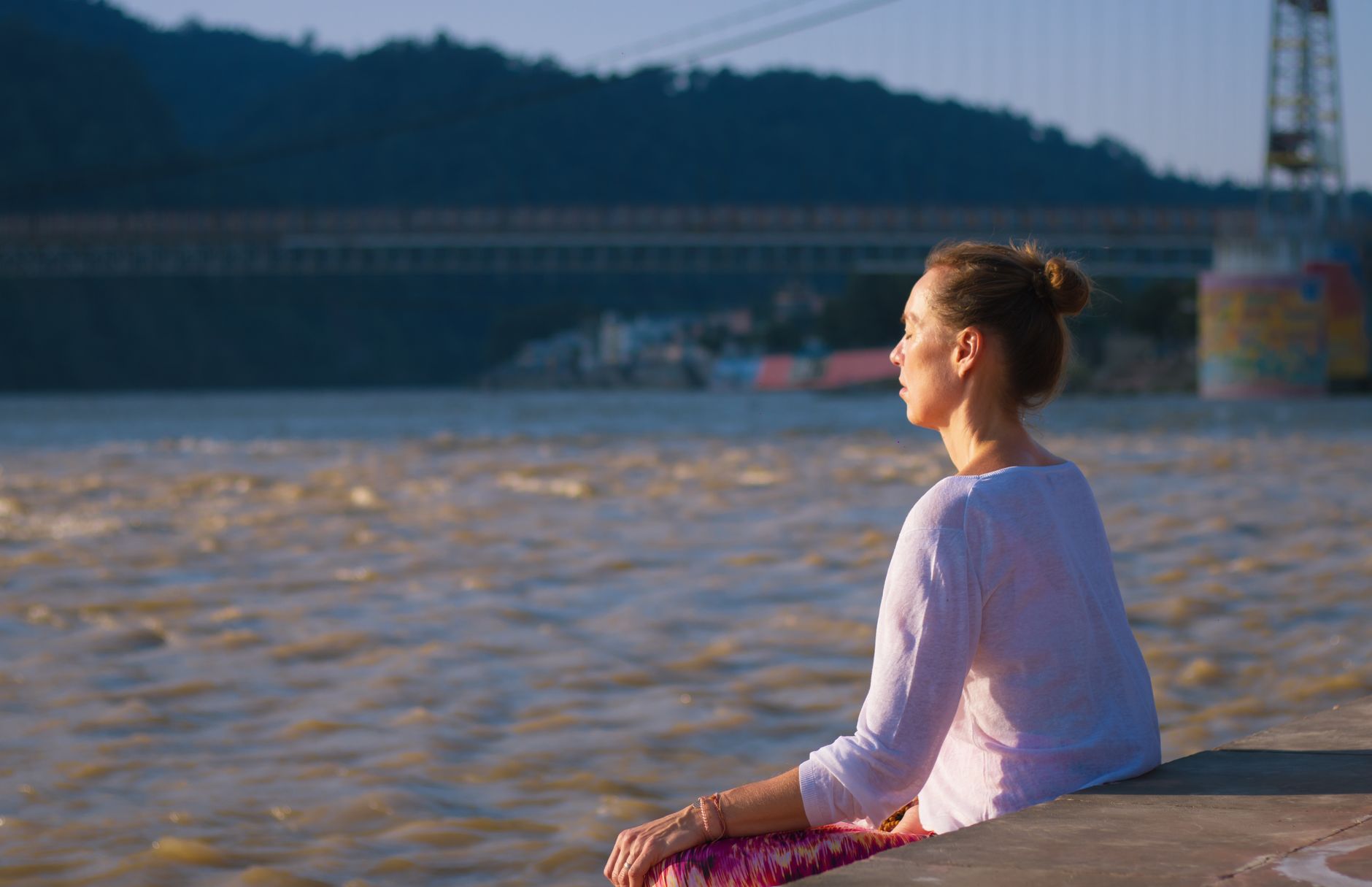
Rishikesh is the place where India makes its most articulate case for wellness as a way of thinking rather than a product to consume. Ananda in the Himalayas sits on the palace estate of the Tehri Garhwal royal family above the Ganges, on a hill where the river valley opens below and the Himalayan wall appears across it on clear mornings, and it has been running Ayurvedic wellness programmes for long enough that the staff know things about the human body that a Western spa is still learning. The pre-arrival health consultation is serious — a detailed questionnaire about constitution and condition that shapes the entire week’s programme before you land. The doctor who sees you on day one has read it. The therapists who follow through on the following days know your dosha, your history, and what the week is for.
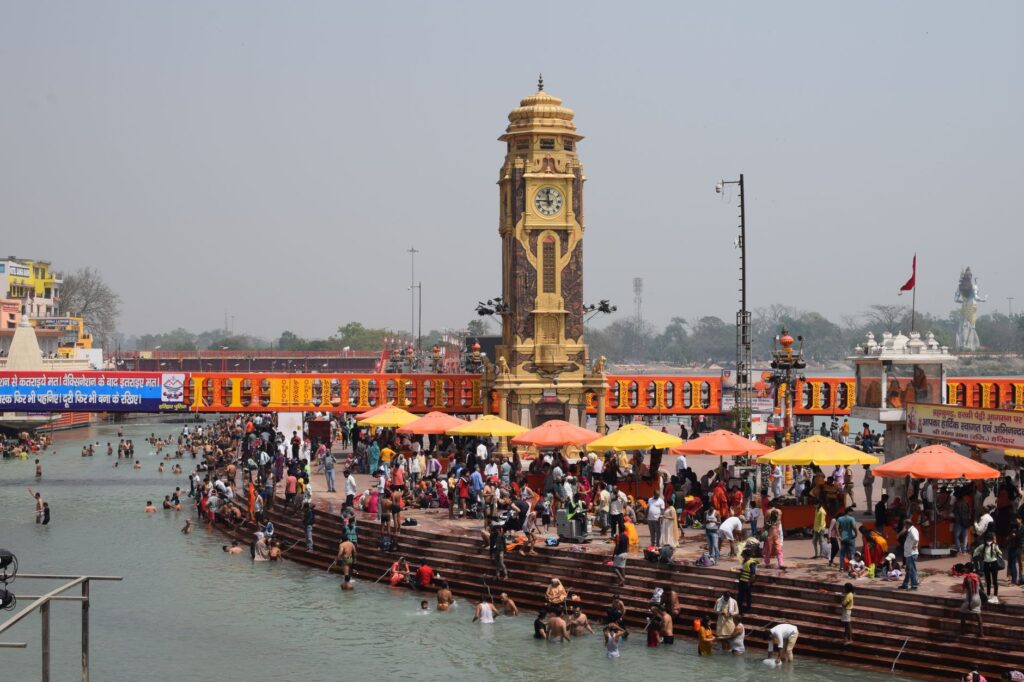
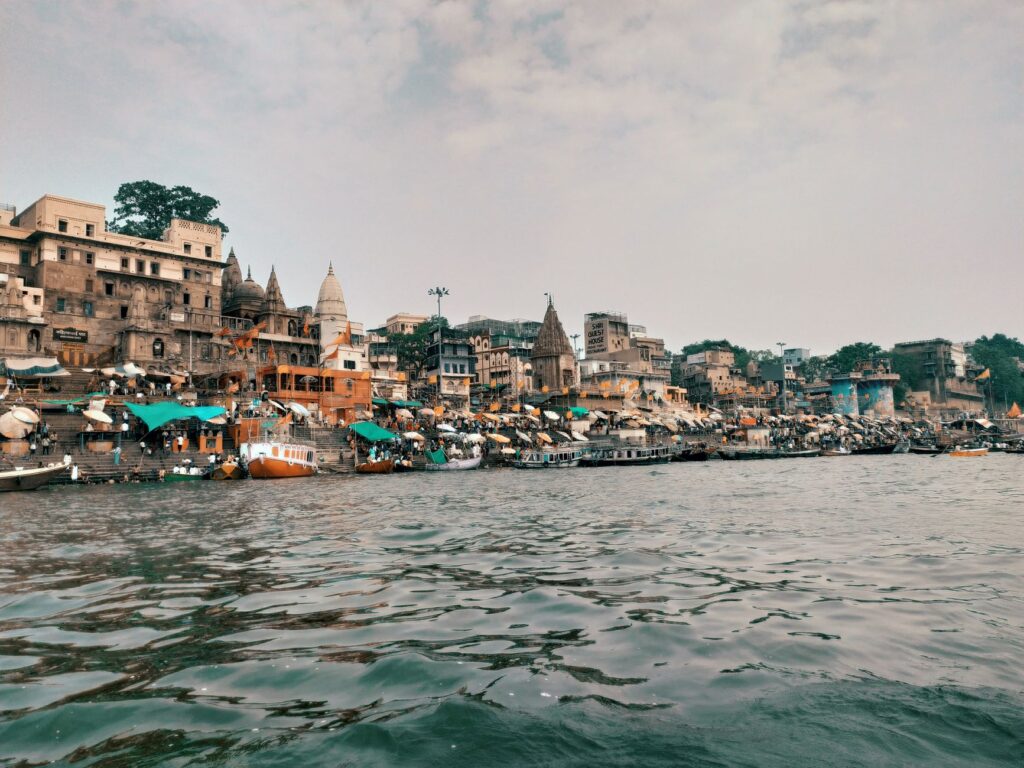
The Ganga aarti at Haridwar at dusk is the other Rishikesh experience, and it is available to anyone staying within an hour of the river. A hundred or so priests in orange and white raising brass lamps over the water, the fire reflecting downstream, the crowd standing at the ghats in complete silence and then not — it is the most concentrated piece of Hindu ceremony most people will ever witness, and it is unrepeatable in the way that ceremony of genuine practice is always unrepeatable.
Vana, outside Dehradun, is the other serious wellness address within reach — a plant-based programme built around integrated medicine, movement, and contemplative practice. Smaller than Ananda, quieter, and for a different guest: the one who wants the forest over the palace, the silence over the aarti, the practice over the performance.