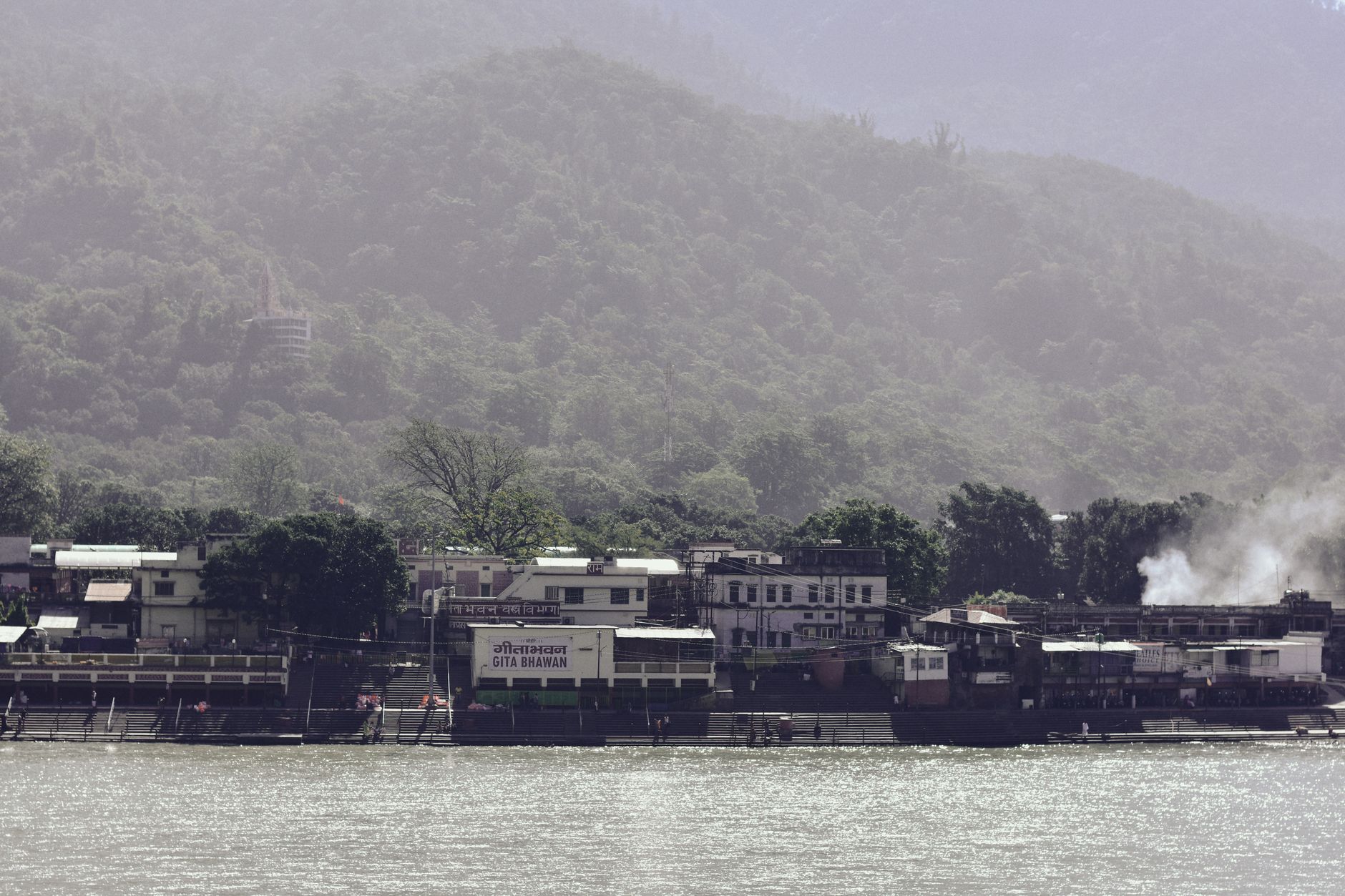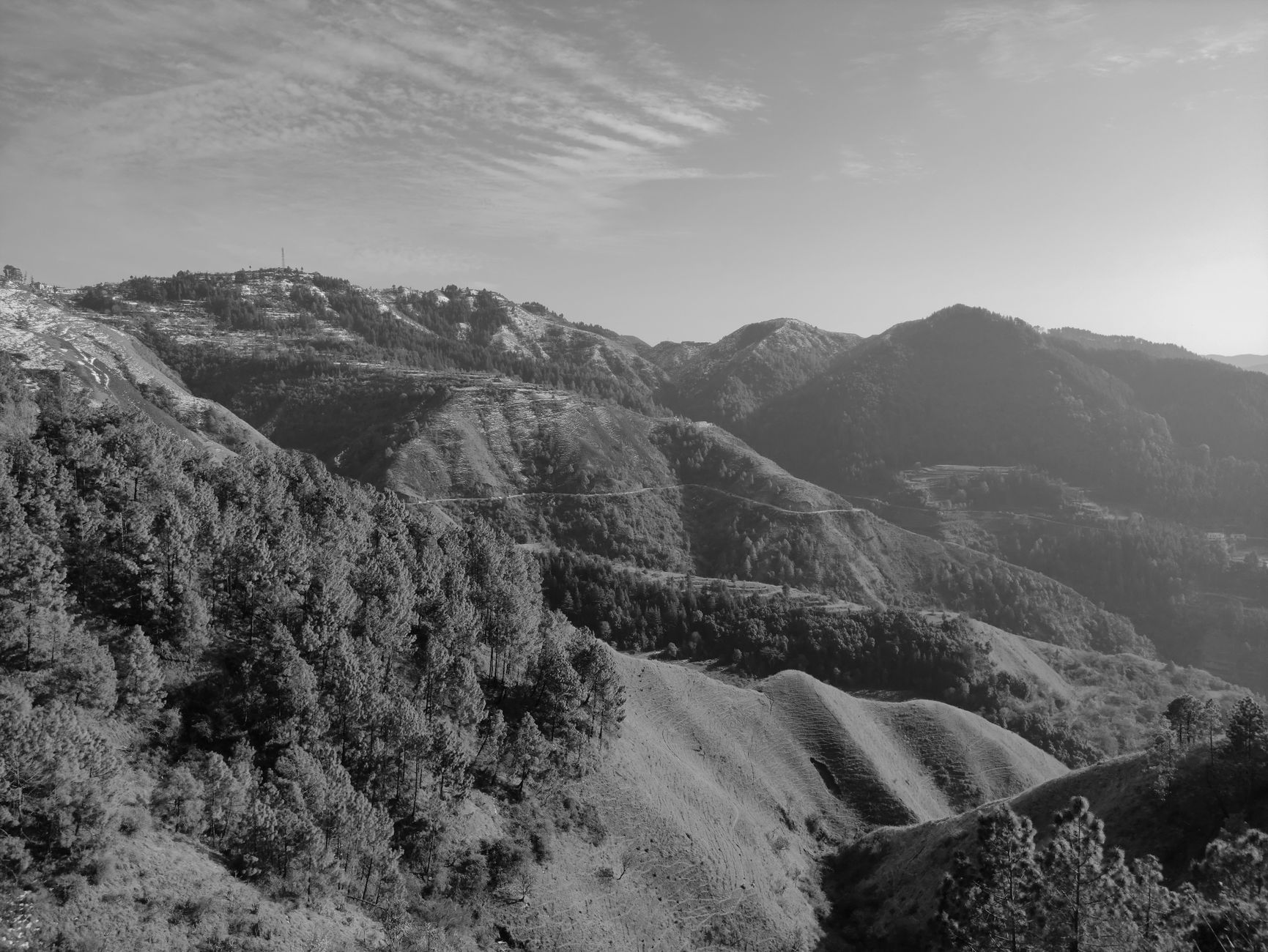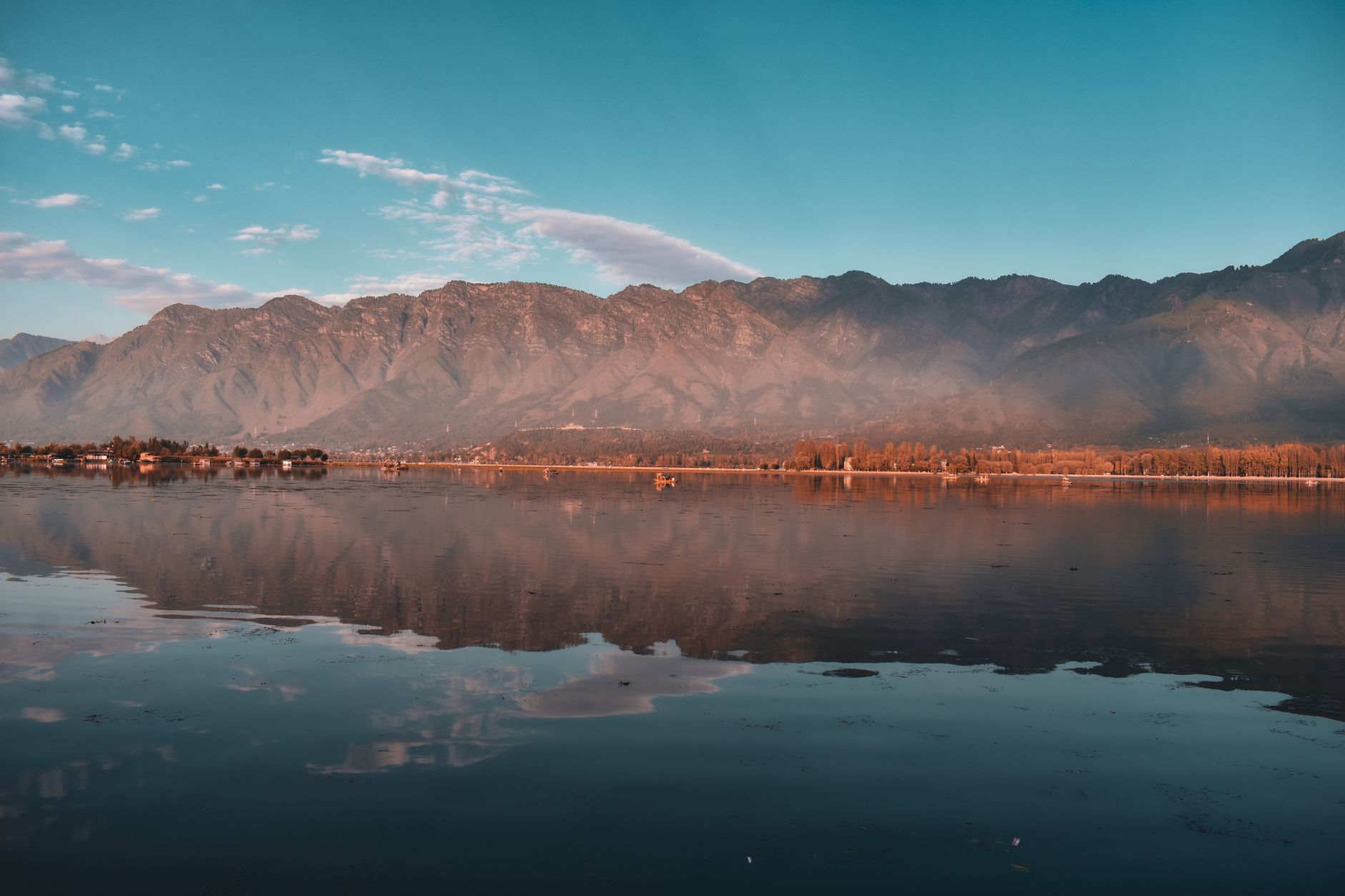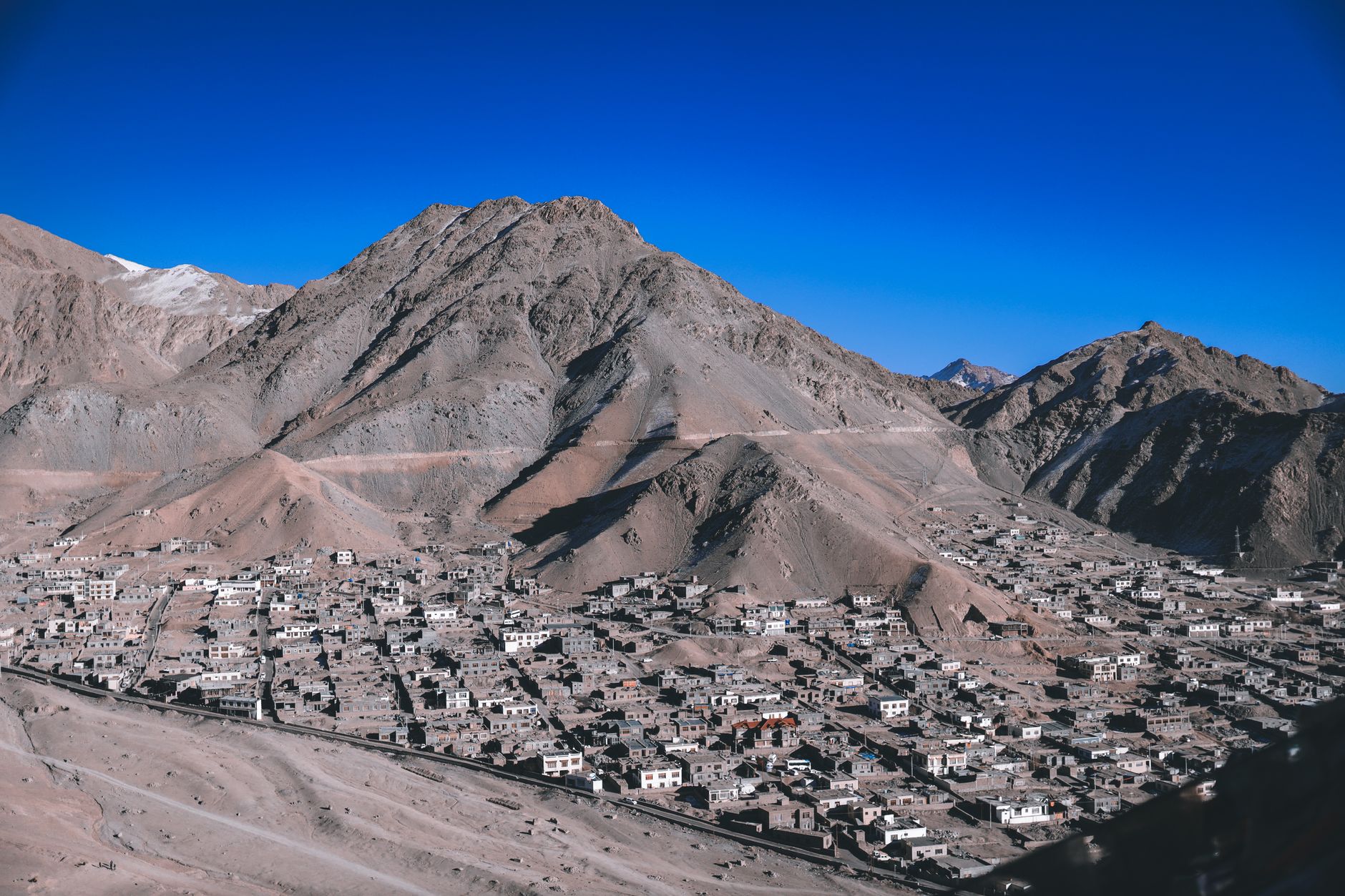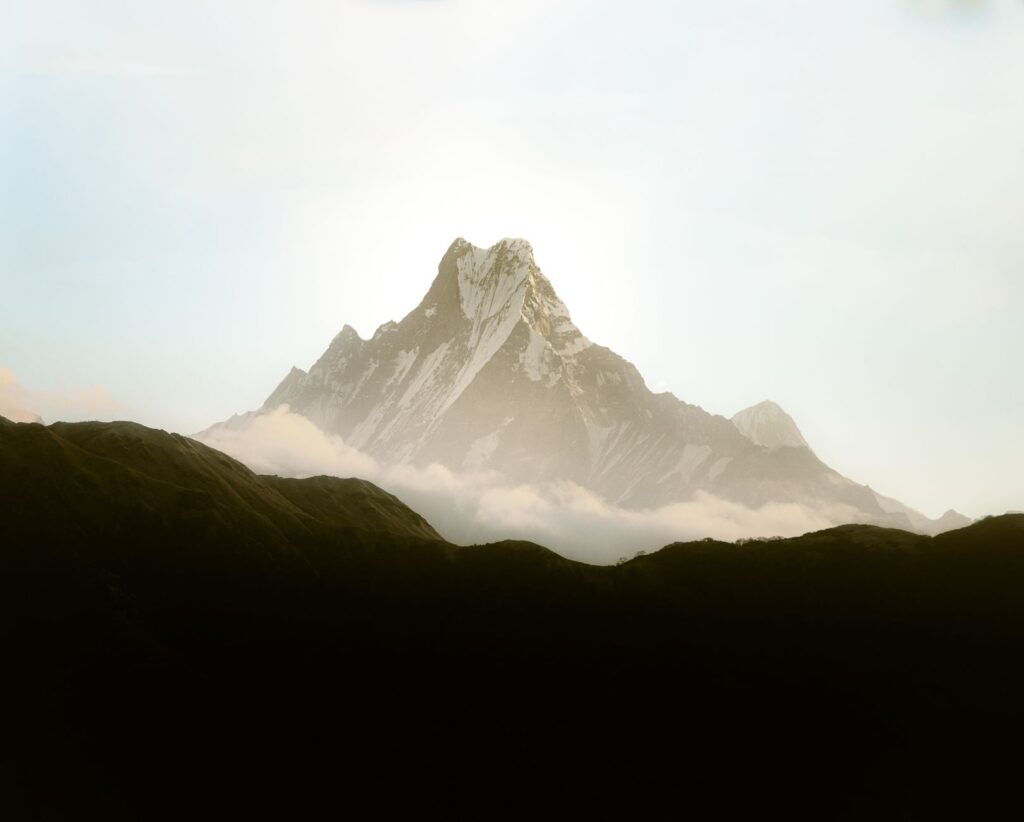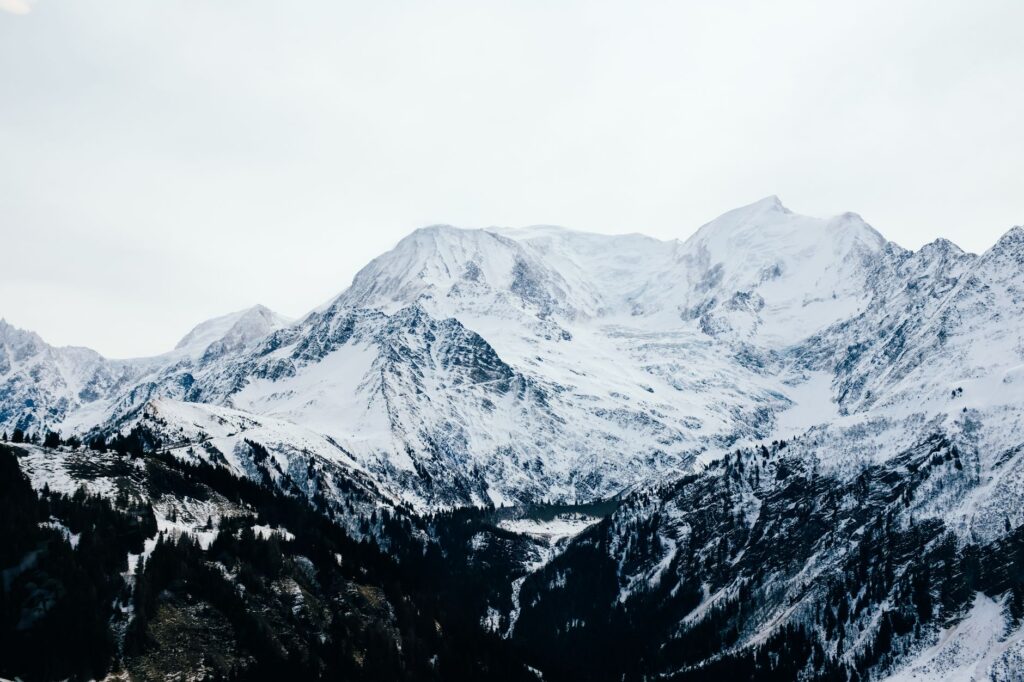

The Indian Himalayas are five completely different mountains, and the mistake is to treat them as variations on the same experience. Rishikesh is the Ganges and the ghats and the yoga and the Ananda — the most serious wellness retreat in the subcontinent, sitting on the palace estate of the Tehri Garhwal royal family above the river, the Himalayan wall visible across the valley on clear mornings. Shimla is the former summer capital of the British Empire — the Viceregal Lodge, the toy train that UNESCO recognised as heritage before most people knew it existed, the Mall Road that the colonial power built and the hill stations that grew around it. Kashmir is Dal Lake and the shikaras gliding between the floating gardens and the walnut orchards and the saffron fields, the most beautiful landscape in India and one of its most misunderstood. Ladakh is the moon — the Indus Valley at 3,500 metres, the monasteries on cliffsides that have been there for a thousand years, Pangong Lake shifting between blue and green and violet as the clouds cross the Karakoram. Dehradun and Mussoorie are the foothills, the cool valley and the colonial ridge above it, the least dramatic and in some ways the most comfortable.
What they share is altitude, and altitude requires planning. Rishikesh and Dehradun sit below 700 metres and need nothing special. Shimla at 2,200 metres is felt but not medically significant for most people. Kashmir’s Dal Lake is at 1,585 metres — the most accessible of the high destinations, and the Gulmarg ski resort at 3,050 metres is one notch higher. Ladakh at 3,500 metres requires two to three days of genuine acclimatisation before any activity, and we raise the medical consideration with every client who asks about it, because the experience at altitude is extraordinary and the altitude itself is non-negotiable.