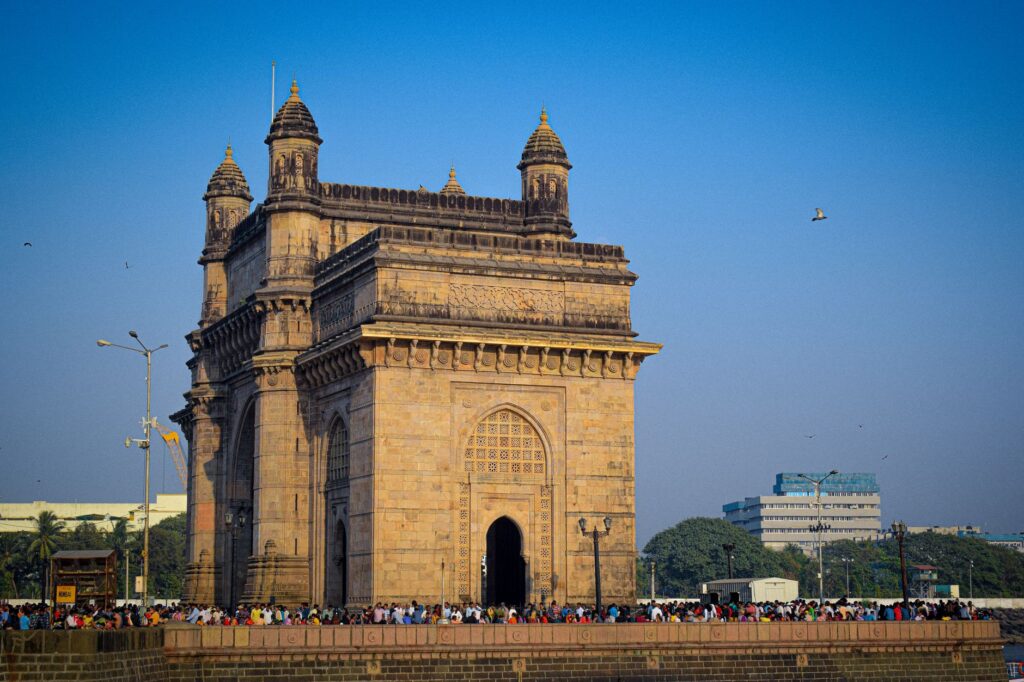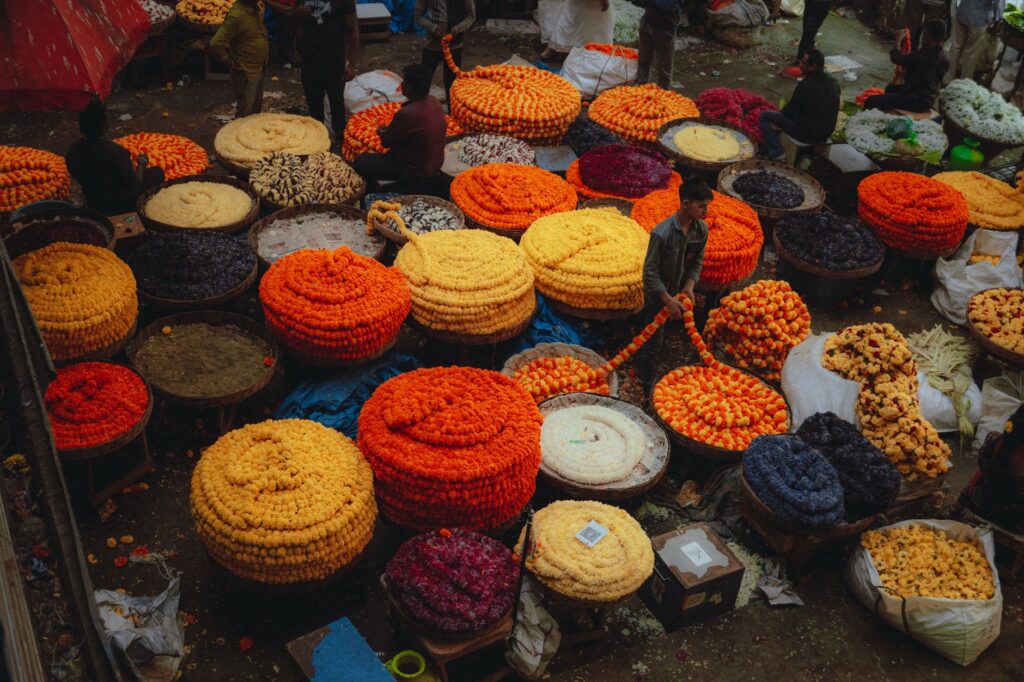

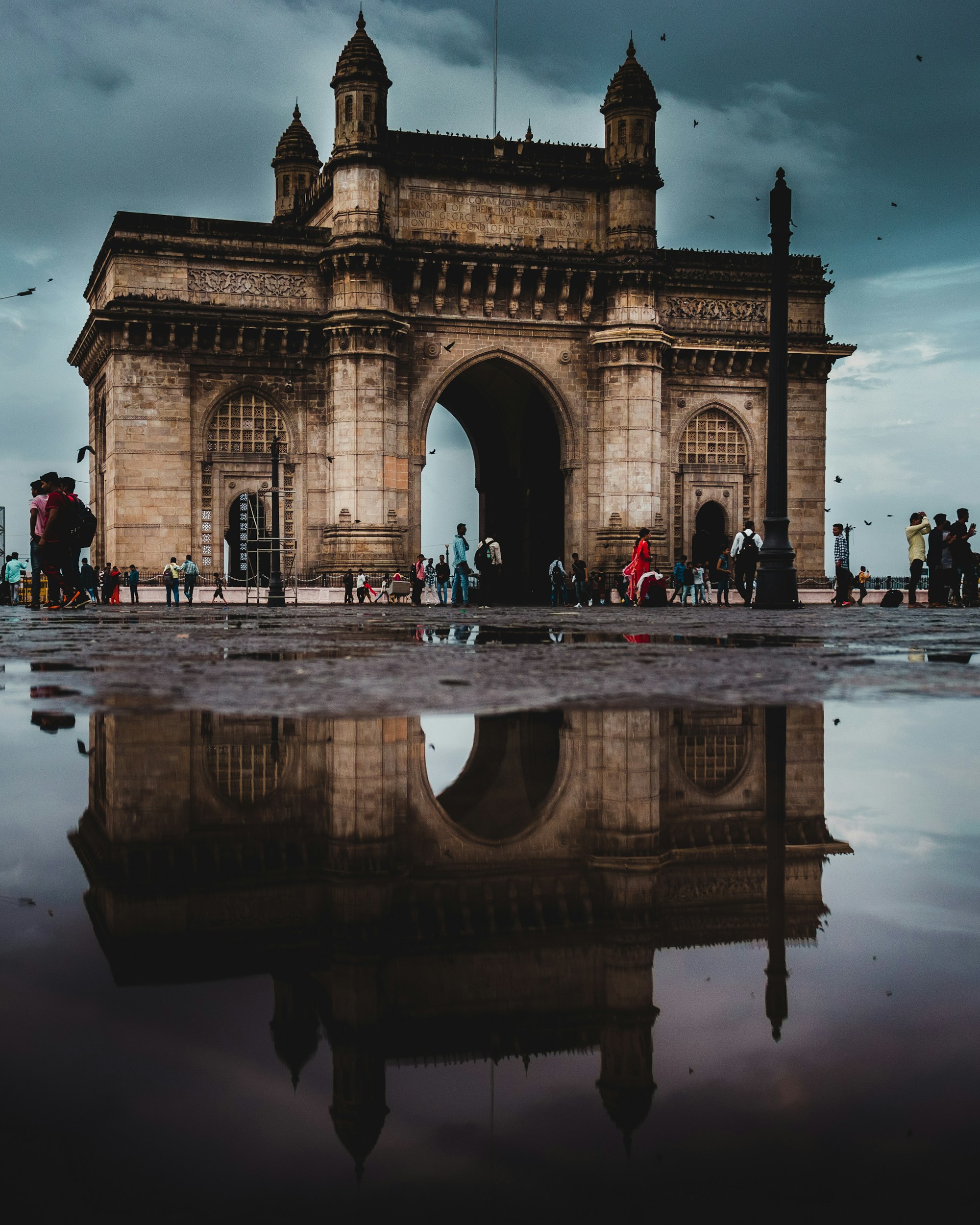
Mumbai is too large to understand and too energetic to ignore. It is the financial capital, the film capital, the restaurant capital, and the busiest port city in India — and it has all of these identities simultaneously, in the same square kilometre of South Mumbai where the stock exchange, the film studios’ distribution offices, the best restaurants in the country, and the Gateway of India exist within walking distance of each other. Two nights is the right dose for most India trips — enough to feel the city without trying to explain it, enough for the Taj Mahal Palace and the Crawford Market at dawn and a dinner that ends after midnight.
The Taj Mahal Palace at the Gateway of India is the hotel that most clearly represents the city’s relationship with its own ambition. Built in 1903 by Jamsetji Tata, reportedly because he was turned away from the then-Europeans-only Watson’s Hotel nearby, it is now one of the great hotels of Asia — the Palace wing, the Sea Lounge at afternoon tea, the harbour view from the upper floors, the position directly behind the Gateway from which the last British troops departed in 1948. Staying here is not simply a hotel choice; it is a position within the city’s narrative. The Oberoi on Marine Drive is the modern alternative — sleeker, with the Queen’s Necklace of lights along the seafront visible from every room.
South Mumbai is where the trip is located: Colaba, Fort, Malabar Hill, the Dharavi heritage area, the Haji Ali Dargah in the sea. North Mumbai — Bandra, Juhu, the film industry neighbourhood — is fifteen kilometres away and one to two hours in traffic, which makes it effectively a separate city. Choose your base for what the visit is for, and do not try to see both in two nights.