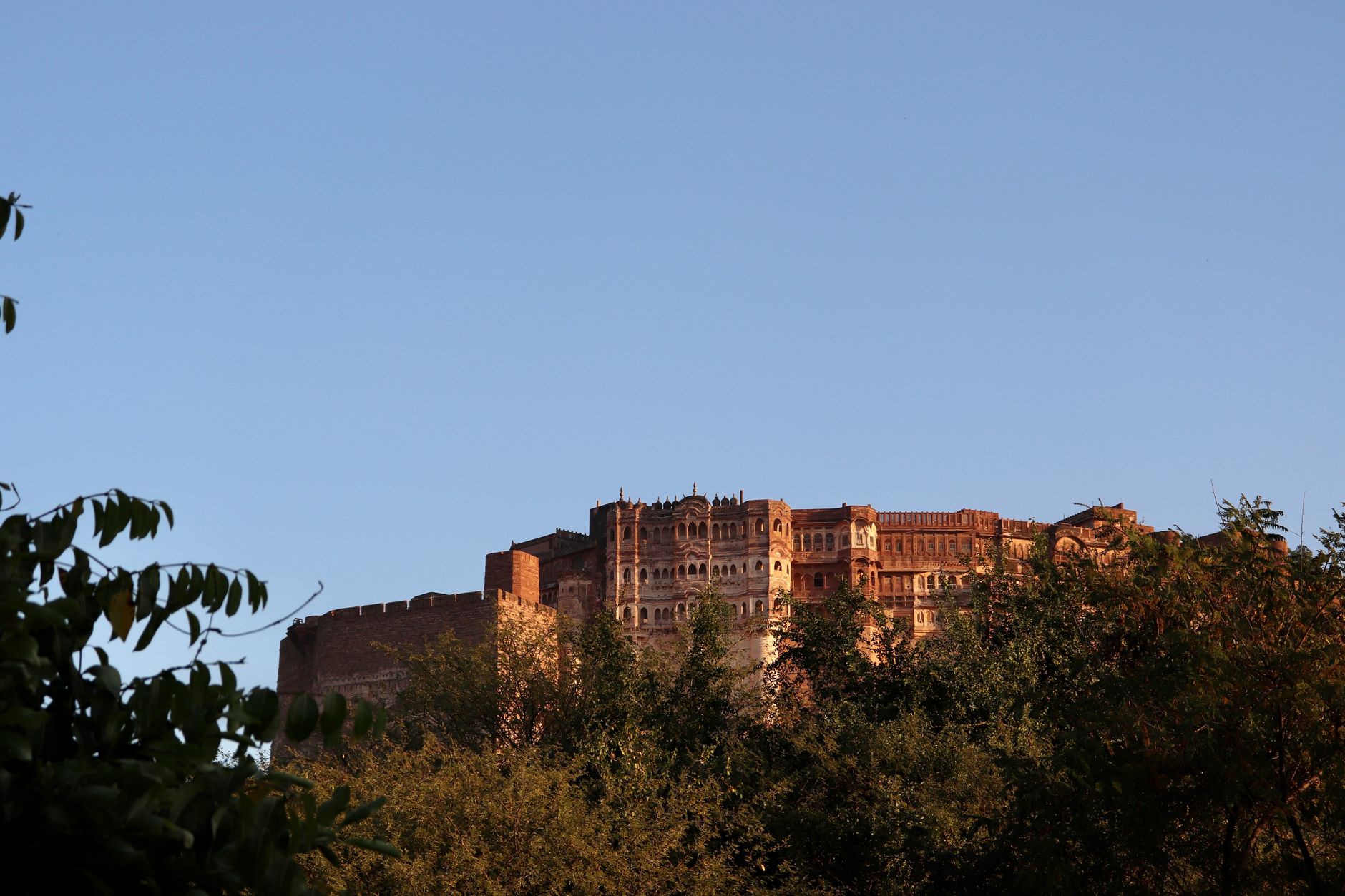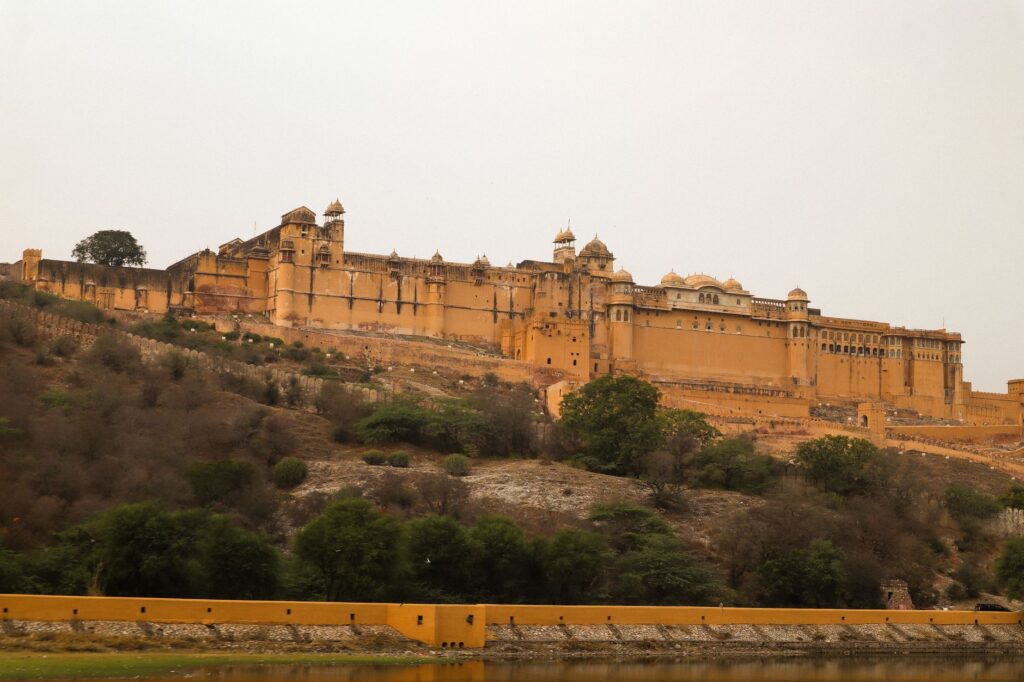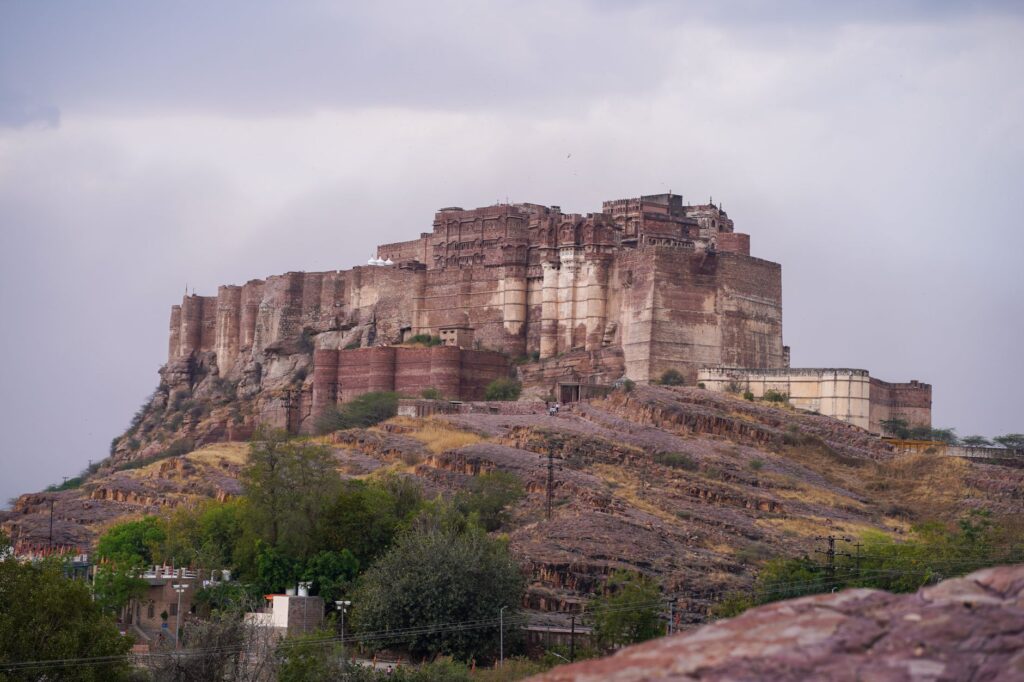

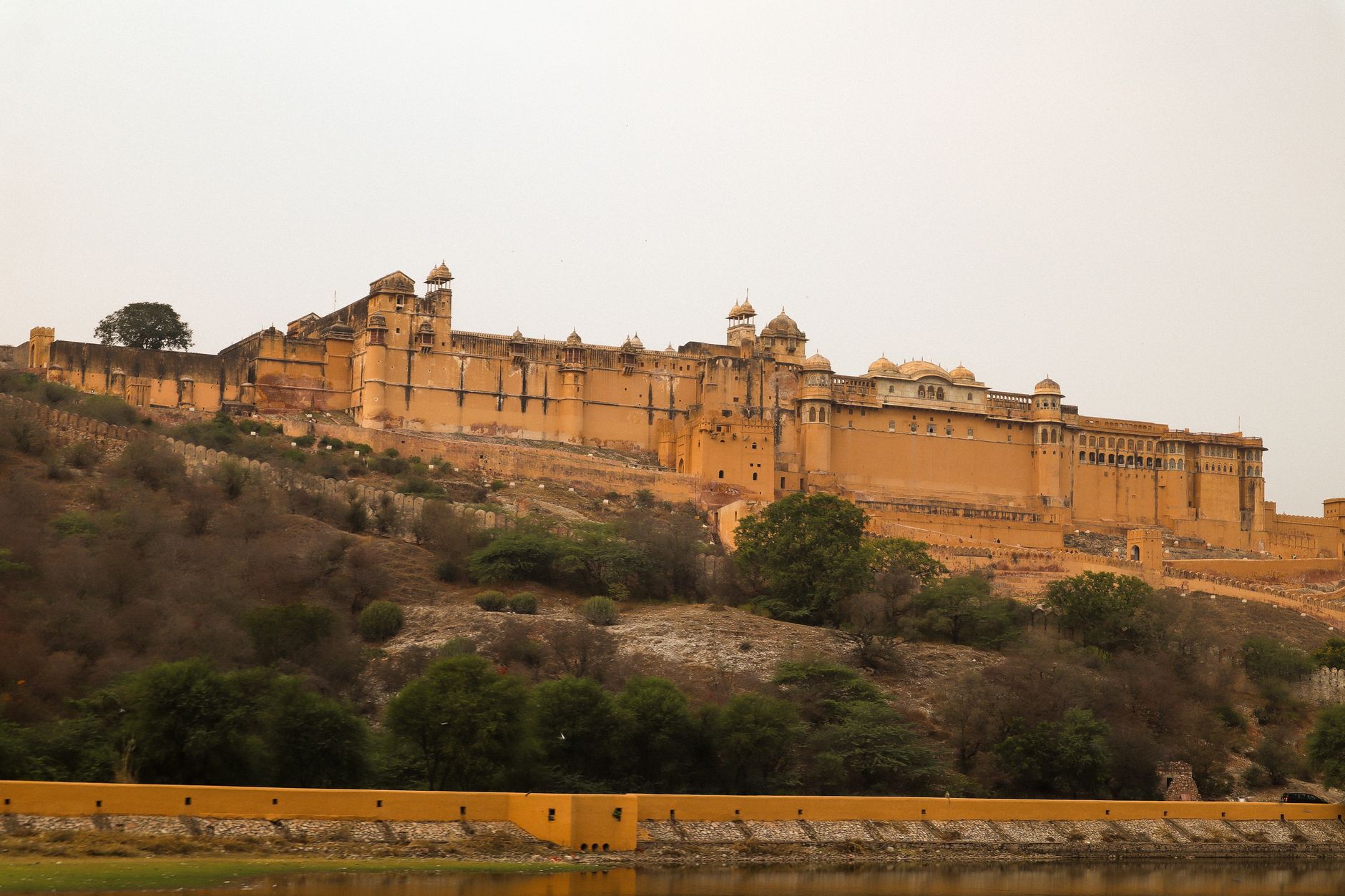
Rajasthan is the trip that makes first-time visitors to India understand why the country has been drawing travellers for centuries, and makes returning visitors wonder why they went anywhere else. The circuit — Delhi, Agra, then west and south through the great Rajput cities — covers perhaps five hundred kilometres but spans a thousand years of architectural ambition, royal rivalry, and craft tradition that has been uninterrupted since the twelfth century. The Mehrangarh Fort in Jodhpur was begun in 1460 and is still owned by the Jodhpur royal family. The Taj Mahal was completed in 1653 and has not been surpassed. The Oberoi Udaivilas was built in 2002 and competes with both.
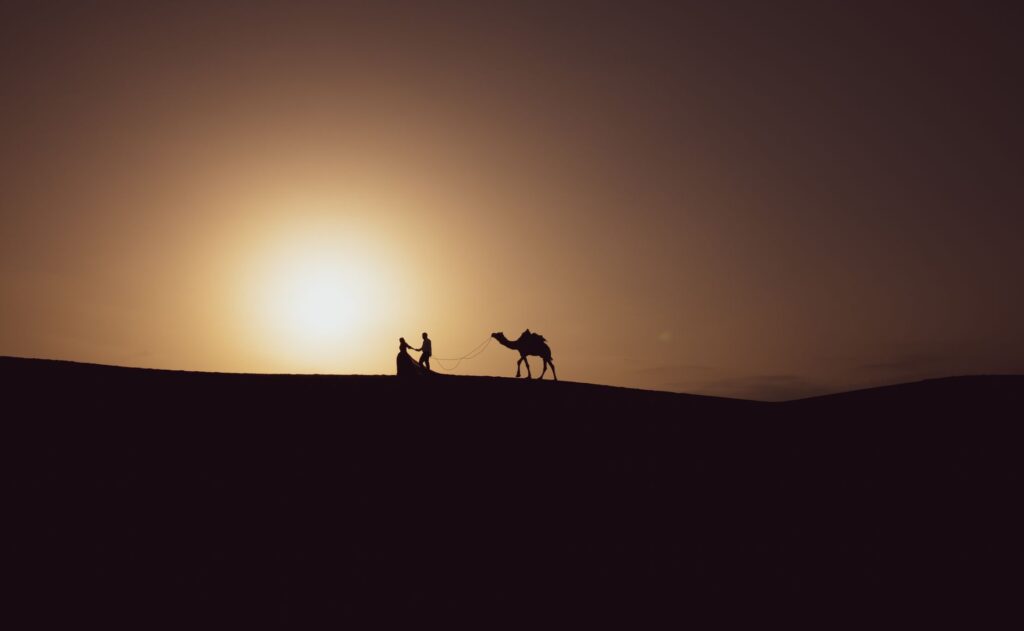
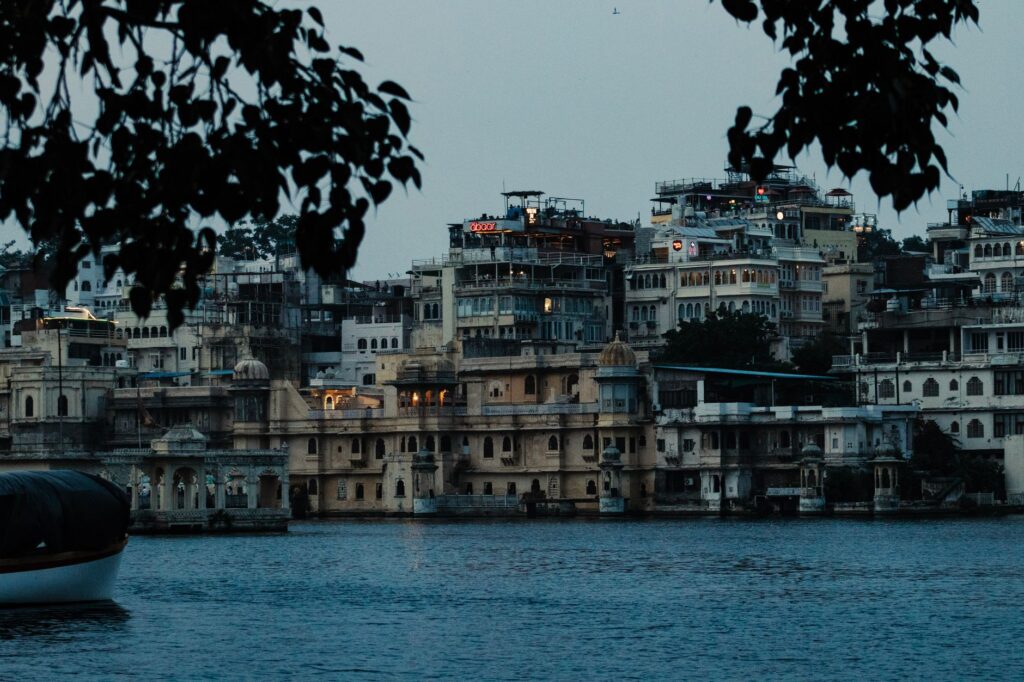
The circuit is best driven rather than flown. The roads between these cities reward looking out the window — the camel carts at dusk on the highway west of Jaipur, the landscape flattening into desert as you approach Jodhpur, the first sight of Udaipur’s white city from the crest of the hill. A private car and a vetted driver is the infrastructure the circuit runs on; the schedule is yours, the stops are yours, and the driver who knows which temple opens before the heat and where the best roadside chai appears at exactly the right moment is the person the trip remembers. We brief every driver on who is travelling and what the day’s priorities are.
The hotel question matters enormously here, because the gap between an excellent heritage property and a mediocre one, in a country where conversion quality varies enormously, is the difference between sleeping inside history and sleeping adjacent to a photograph of it. The Umaid Bhawan in Jodhpur is the most complete Art Deco building in India — actually royal, still partially occupied by the Maharaja, the swimming pool unchanged since 1943. The Oberoi Amarvilas in Agra faces the Taj Mahal from every room, and there is no substitute for waking before dawn and watching the light change on the dome without leaving the bed. These choices are not interchangeable with their alternatives.