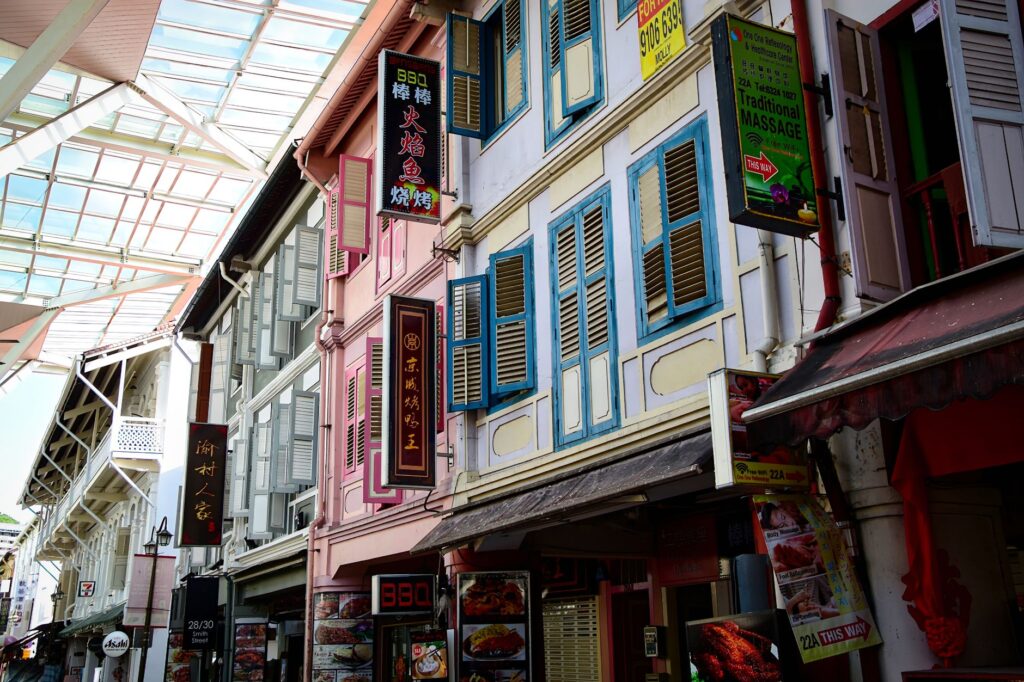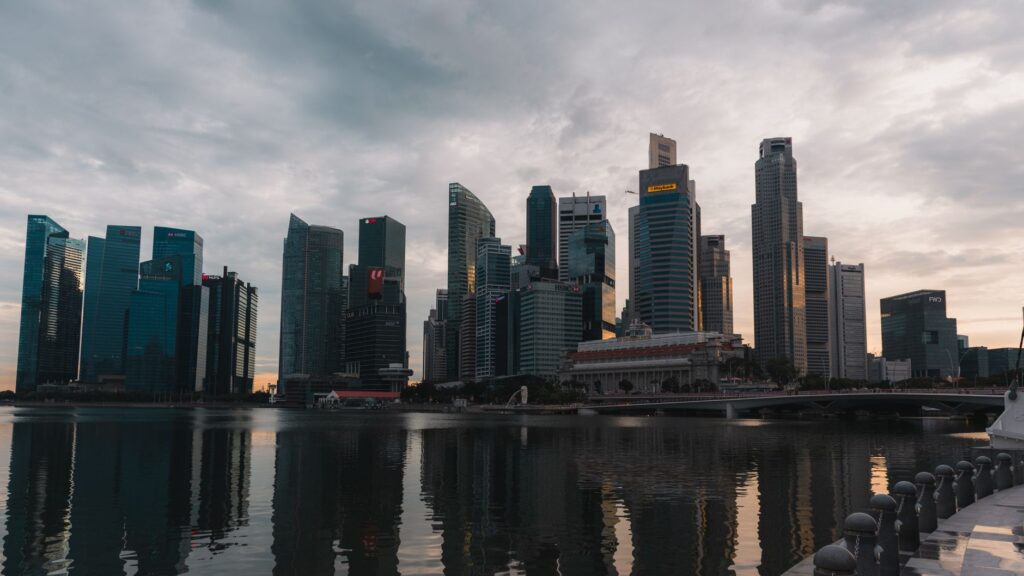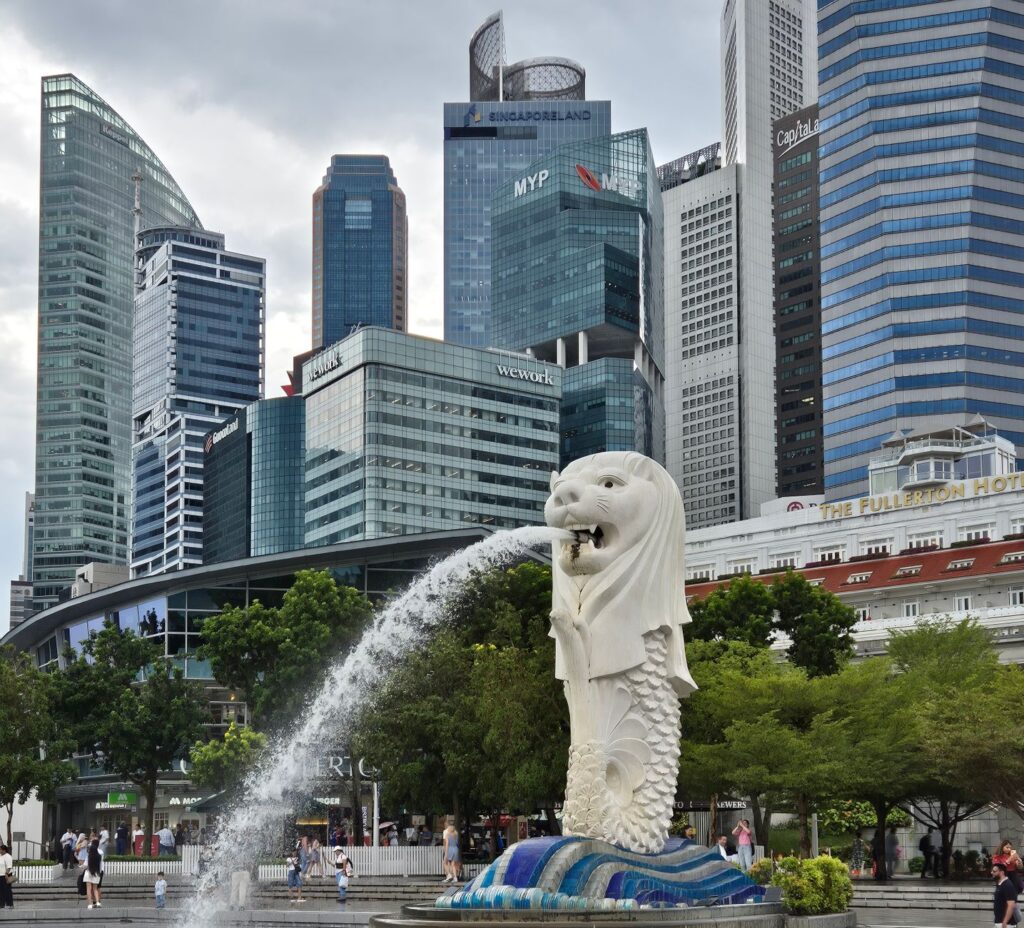

Singapore is the most efficiently designed city in the world and probably the cleanest, and both facts operate on visitors before they’ve consciously noticed them. The airport is a destination in its own right — there is a butterfly garden, a waterfall, and a rooftop swimming pool in Terminal 1 — and it deposits you into the city via a metro that is air-conditioned, on time, and costs less than a London bus journey. By the time you check in, you have already been administered three doses of Singaporean competence, and the effect is profoundly relaxing.
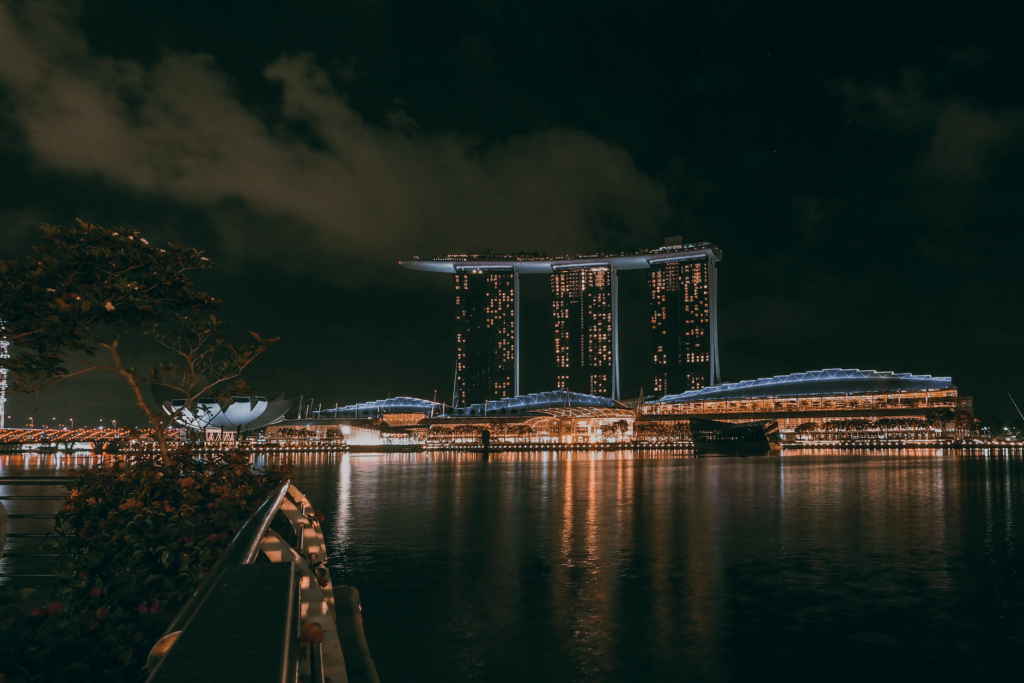
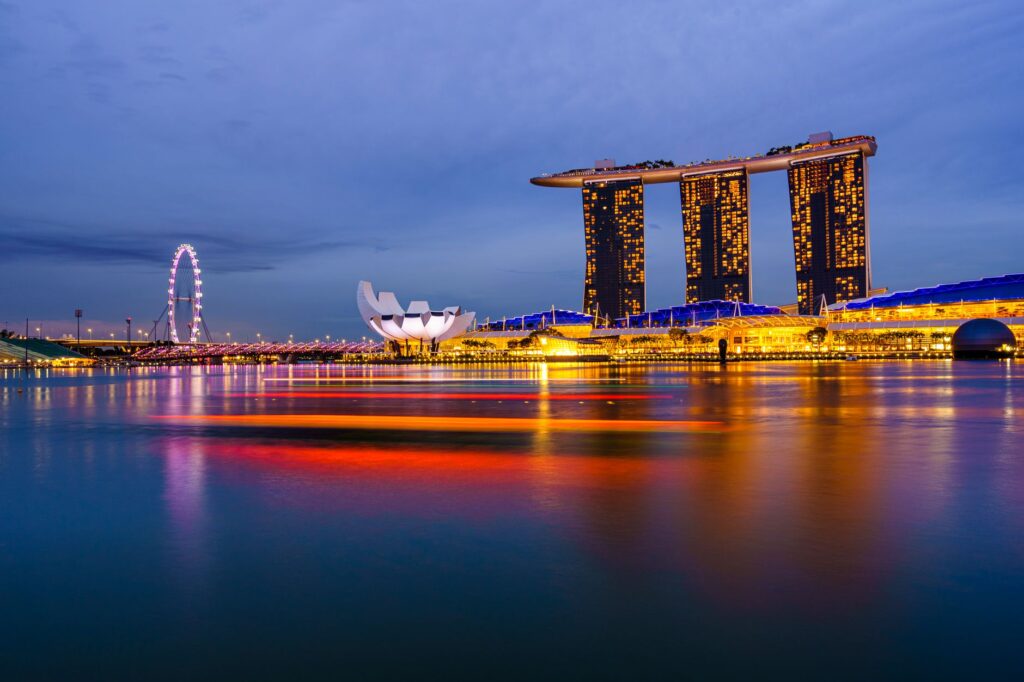
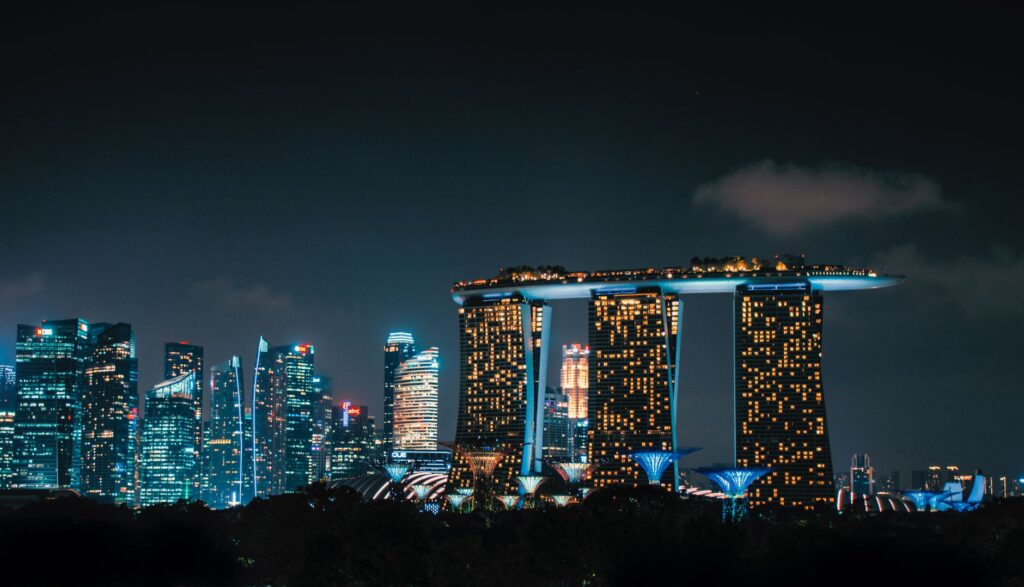
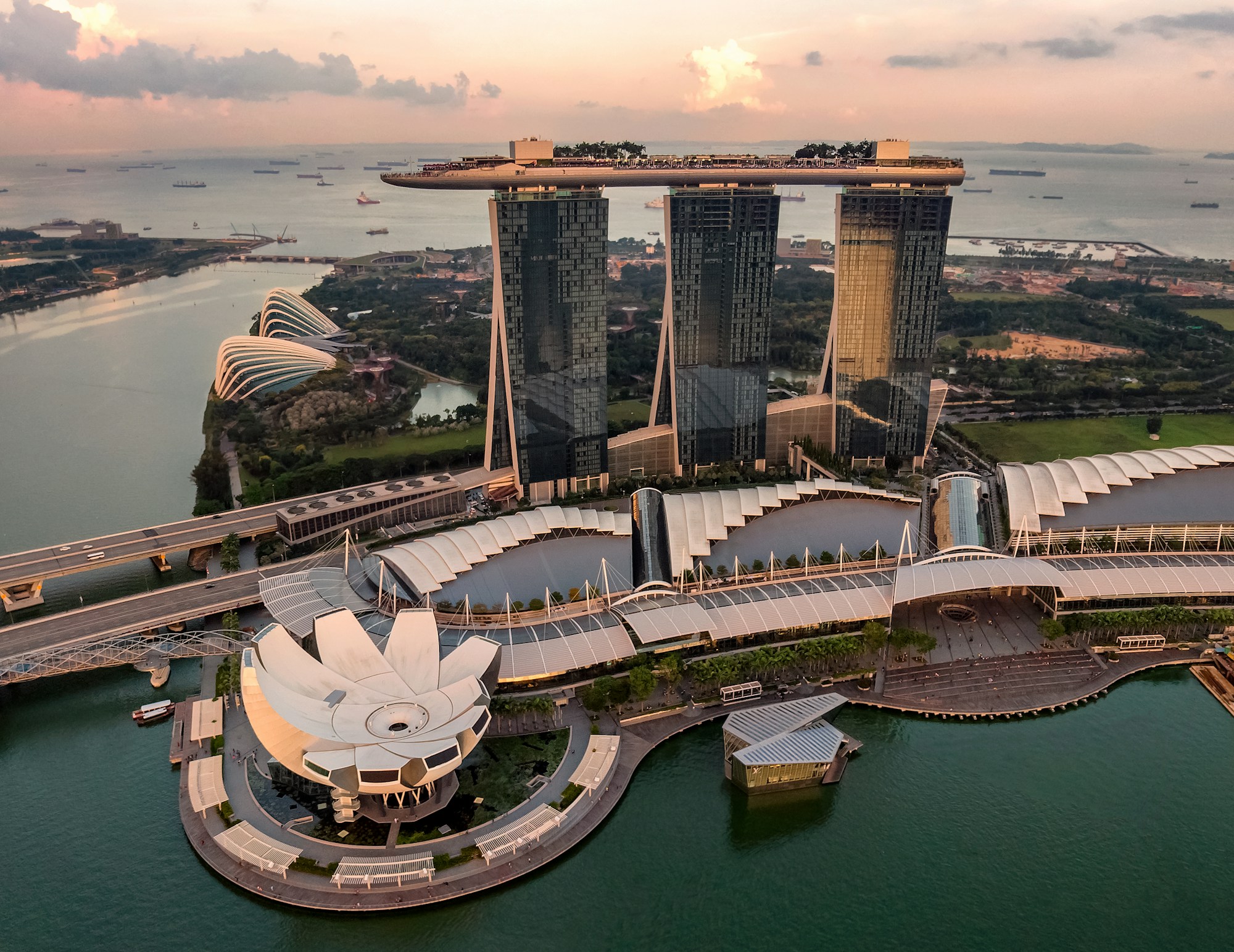
Three nights is the right amount, and it is not a short-changing. The city is compact, the sights are genuinely accessible, and the quality of available experience per square kilometre is higher than almost anywhere else in Asia. The Gardens by the Bay light show is free and remarkable. The hawker centres — Maxwell, Lau Pa Sat, Old Airport Road — serve the best food in the city at any price point, and they are natural environments for vegetarian and Indian dietary requirements in a way that most Southeast Asian food cultures are not. The Marina Bay Sands infinity pool, which everyone photographs and fewer people swim in, is in fact the most satisfying swimming pool on the continent from inside rather than below. The Botanic Gardens at dawn, before the heat, are quietly one of the best hours Singapore offers.
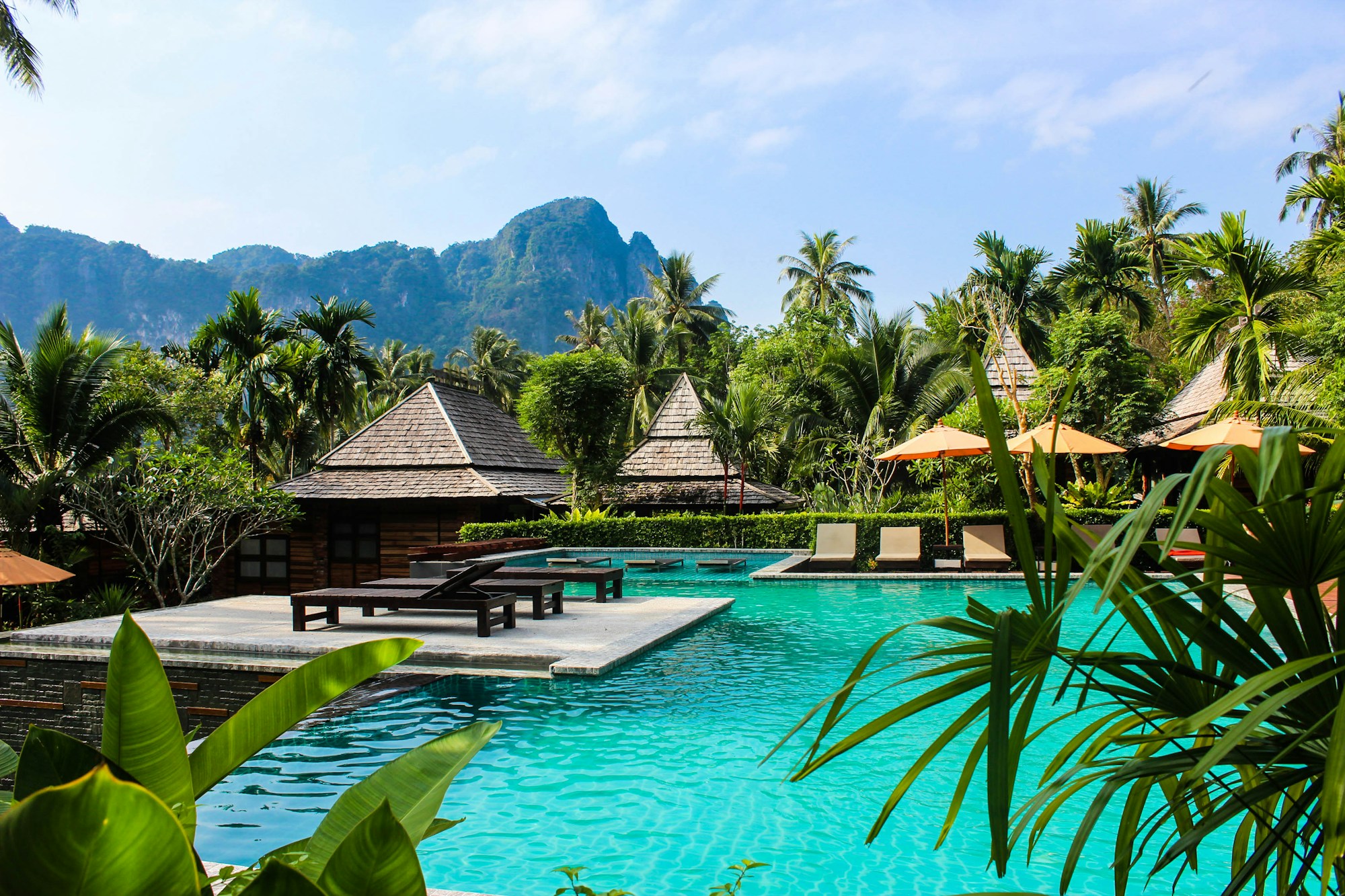
Singapore functions most naturally as a gateway and a two-way reset. In: two nights to decompress, orient, eat well, and sleep in a time zone closer to India before the main trip begins. Out: two nights to recover from Bali or Thailand before the flight home. The Capella on Sentosa Island is the right choice when the trip is the destination rather than the gateway — a colonial resort compound on an island fifteen minutes from the city, with a pool that justifies the upgrade from the city hotels.