

Journal · Seasonal
The September thesis
If you could design an ideal month for European travel from India — weather, crowds, value, availability — you’d design September. The Mediterranean is warm from three months of sun. The European summer crowd has returned to school and work. Restaurant reservation systems that were fully booked from May onward suddenly have tables. The light changes: softer, longer, with the particular quality that makes September the month photographers schedule for.
Where the case is strongest
The Italian coast. The Amalfi Drive in August requires genuine patience — the road is single-lane in places and accommodates tour buses, local traffic, and the tourist cars that have been rented without a full understanding of what ‘narrow coastal road’ entails. In September, the same road is manageable, sometimes beautiful in the morning hours, and the restaurants in Ravello and Positano have their staff and their full menus and their willingness to take a reservation that matters to the guest.
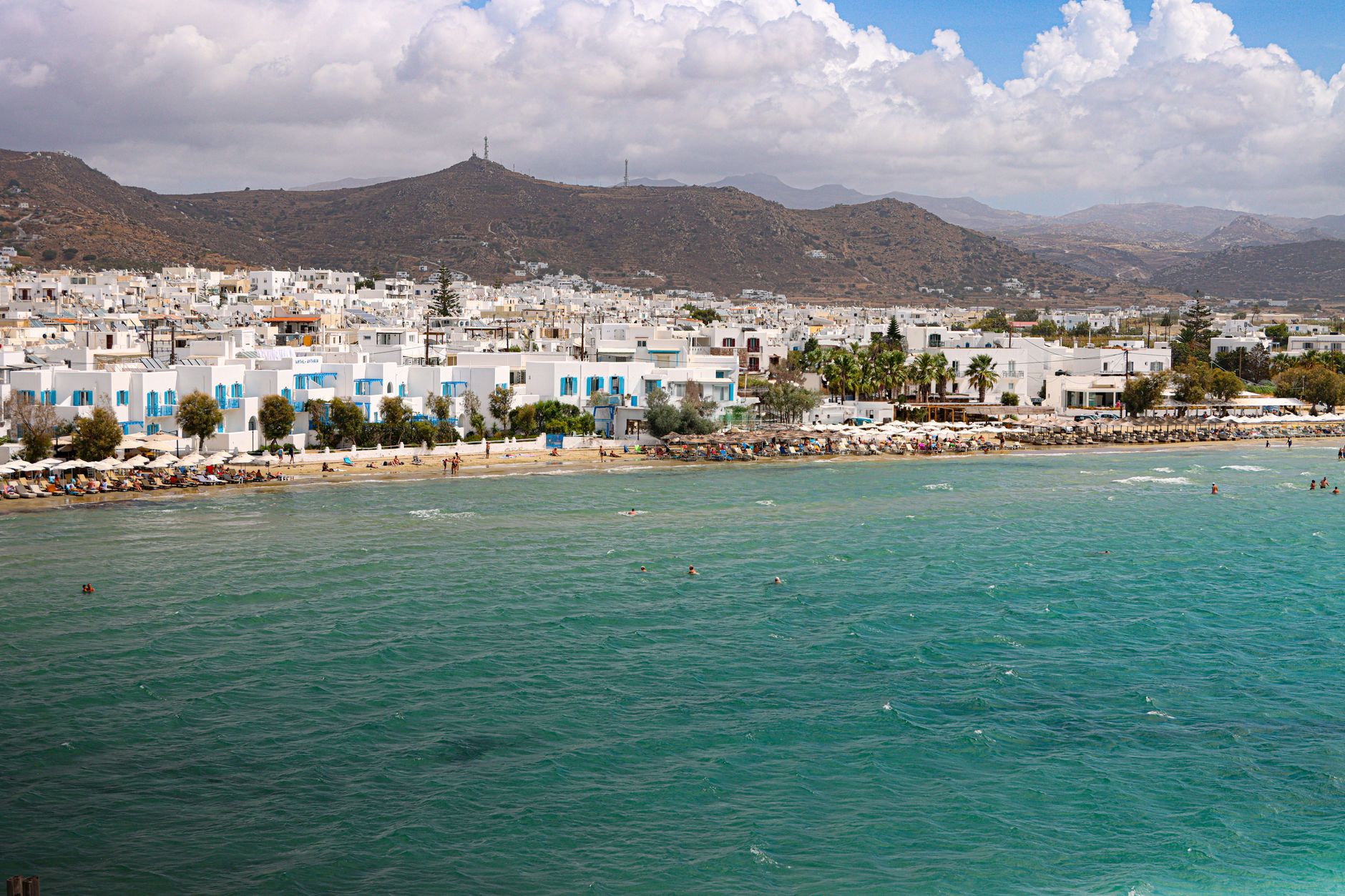
Greece. Every island. The argument is made in detail in the October piece, but September’s version is slightly warmer, slightly busier, and slightly more festive than October — the season is winding down but hasn’t wound down. The energy is still there. The elbowroom has returned.
Switzerland. The walking season peaks in August but extends cleanly through September, and the high-altitude passes that close in October are still open. The crowds on the Jungfraujoch and the Gornergrat have thinned. Prices hold from August — this is not a low-season rate month in Switzerland — but the experience improves.
“The Amalfi Drive in September: the same road, manageable, sometimes beautiful.”
Where September is underrated
Morocco. The heat of summer — which can be genuinely punishing in the Atlas and the southern Sahara — breaks in September. The cities are more comfortable. The mountain routes are cooler. And September is before the peak autumn window of October and November, which means the riads haven’t been fully re-discovered after the summer lull. This window — mid-September to early October — is arguably the best Morocco window and consistently the least crowded.
Japan. September is shoulder season in Japan, sitting between the oppressive August humidity and the October momiji crowds. The temples are navigable, the countryside is turning toward autumn green, and the typhoon season (late September) is the only caveat — a risk that can be managed with appropriate travel insurance and flexible routing.
The Indian holiday window
September has two complications for Indian travellers: the end of the monsoon season in some destinations, and the fact that it doesn’t align cleanly with Indian school holidays. The Ganesh Chaturthi and Navratri windows fall in September and October and create domestic demand without corresponding international volume — which is, from a planning perspective, exactly right. You can travel internationally in September when the domestic holiday crowd is mostly at home.
The thesis is simple: September is where the travel year’s best intentions meet the fewest obstacles. It requires planning in advance because the people who know this have been booking it for years. But it consistently outperforms.
Mentioned in this piece
February: the quiet-excellent month
January from India: five windows that work