

Journal · Seasonal
The monsoon argument
The monsoon operates on a schedule that most travellers treat as a prohibition and a few treat as an invitation. The prohibitionists are sometimes right. The invitees are, in the right destinations, very right. Here is the case for the monsoon — and the honest caveat that follows.
What the monsoon actually means
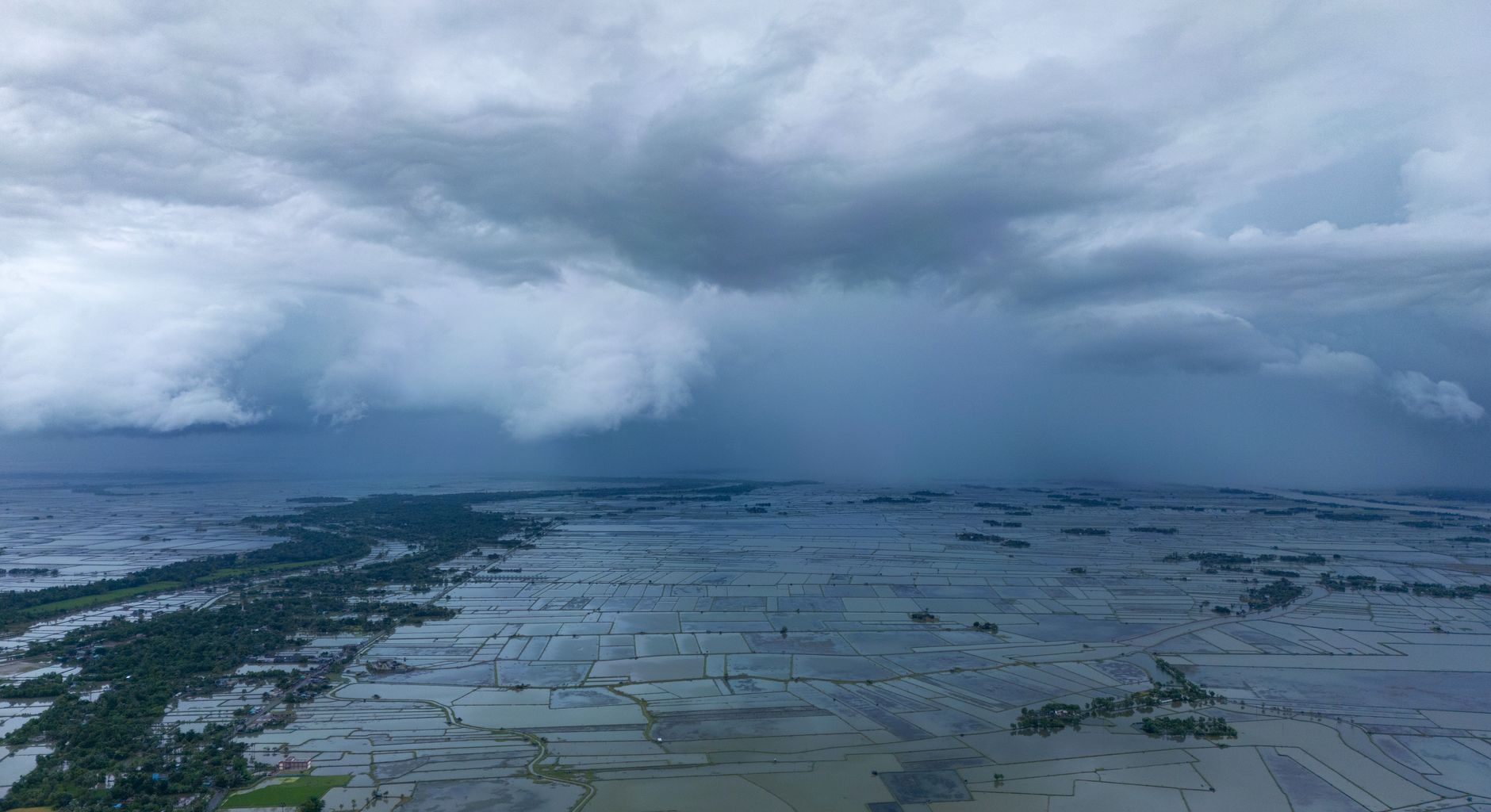
The word “monsoon” describes a seasonal shift in wind patterns that brings significant rainfall to parts of Asia from roughly June to September. It doesn’t mean constant rain. In Kerala, a monsoon day typically brings a few hours of heavy rainfall — often in the afternoon or night — and long stretches of grey-green freshness that the dry season doesn’t have. In Bali, the wet season brings rain most afternoons between November and March, leaving the mornings clear and the terraces at their most vivid green.
The distinction that matters for planning: a monsoon destination isn’t closed. It’s wet for part of the day. The hotels are open. The restaurants are open. The sites are open. The experience is different — not necessarily worse.
The destinations that improve
Kerala: the backwaters in monsoon are a different landscape. The paddy fields are flooded and bright. The coconut palms are heavy. Houseboat travel in this light is the version of Kerala that the tourism photographs haven’t quite captured, because most photographers arrive in the dry season. The Ayurvedic clinics specifically recommend the monsoon months: the humidity opens pores and the therapeutic results are held to be superior.
“The monsoon doesn’t mean constant rain. It means a few hours of heavy rain and long stretches of vivid green.”
Bali: the northern coast (Lovina, Munduk) and the highland interior (Ubud) hold up best in the wet season. The rice terraces are at their greenest. The waterfalls that are trickles in August are extraordinary in January. The temples are quieter. The main beaches — Seminyak, Kuta — are more affected because the swell increases and the swimming is less reliable.
The honest caveat
Some destinations don’t work in the monsoon and we say so. The Maldives in the southwest monsoon (June to August) has the weather most travellers don’t want: persistent grey skies, ocean chop, and the loss of the colour that defines the destination. The Andamans close the ferry crossings entirely. The high Himalaya closes passes and makes road travel hazardous in ways that go beyond inconvenience. The caveat is destination-specific.
The monsoon isn’t a closed sign; in the right places it’s the season the photographers haven’t found yet — greener, quieter, a third cheaper. Know which destinations bloom in the rain and which ones drown, and the wet season becomes the smartest booking on the calendar.
Mentioned in this piece
February: the quiet-excellent month
January from India: five windows that work