

Journal · How it works
The people on the ground
The trip you remember probably had a person in it — a guide who saw what you'd have missed, a driver who knew the road. They didn't appear by accident. Behind every good trip is a human network, assembled out of sight.
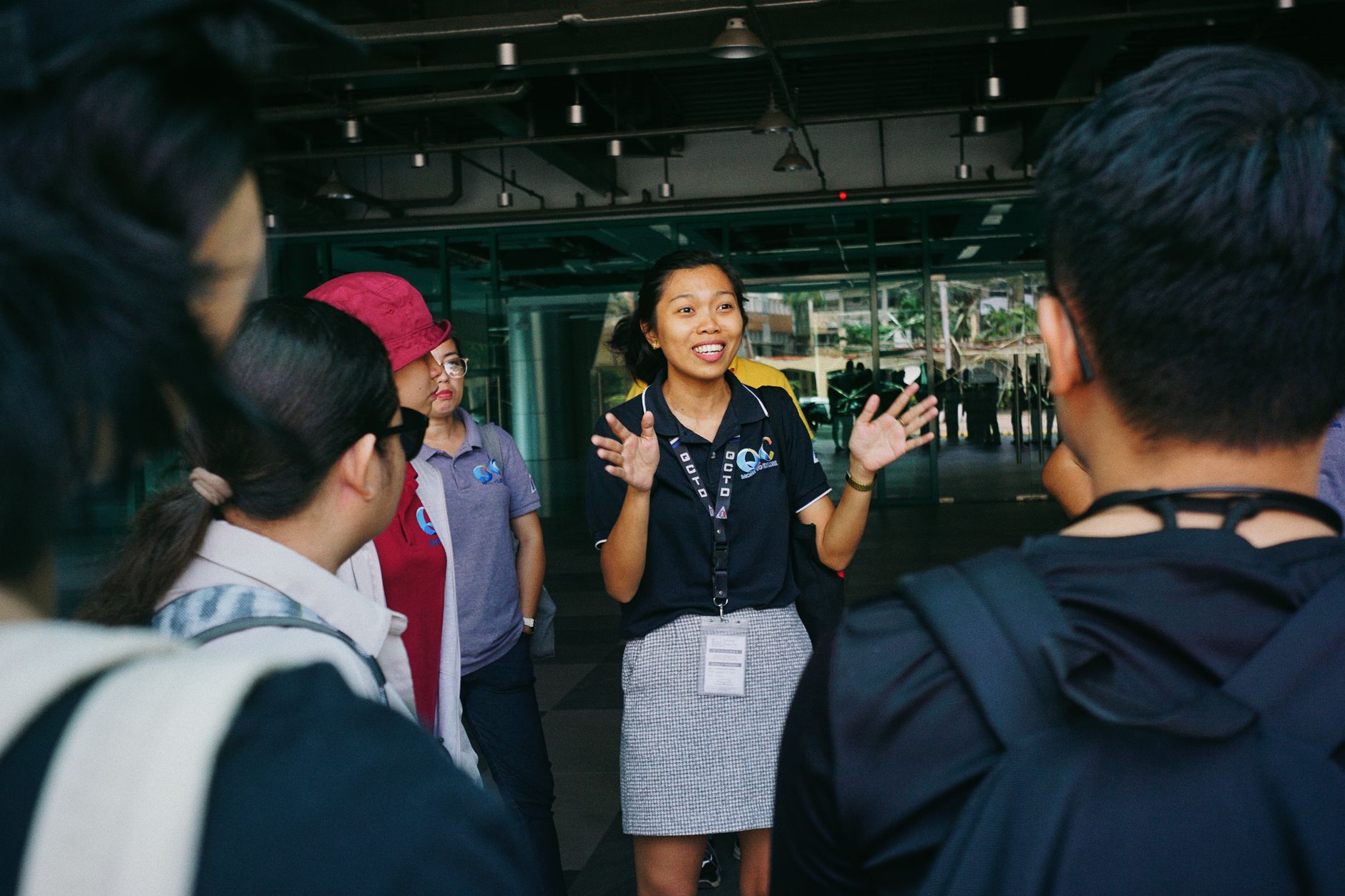
Think back to the best day of any trip you’ve taken with a guide. The chances are good that what made it wasn’t the place — it was the person. The tracker in the Mara who read a single disturbed patch of grass and put you twenty metres from a leopard. The guide in Kyoto who got you into the temple garden before it opened to anyone else and then went quiet at exactly the right moment. The driver who, unasked, pulled over at a viewpoint that wasn’t on the schedule because the light had just turned. These people are the difference between seeing a place and understanding it, and they are the most underappreciated part of how a trip actually works.
They also do not appear by accident. Behind a good trip there is a network of people on the ground — guides, drivers, local partners, fixers — and the assembling of that network, the choosing of which humans, is a quiet and decisive part of the craft that the finished itinerary never shows.
The cast you never see being chosen
A multi-country trip runs on more people than the traveller ever meets in that capacity. There is the local partner in each country — what the trade calls a destination management company — the on-the-ground operation that holds the relationships, the vehicles, the emergency capacity. There is the guide, who may change city to city. There is the driver, sometimes the same person, often not. And there is the concierge chain at the hotels, the network of people who can get a table that doesn’t take bookings or a permit that’s officially sold out.
Most of this is invisible by design. You experience a guide who seemed to materialise at the right hotel at the right hour knowing your name and your interests, and a car that was simply there each morning. What you don’t see is the layer underneath — the local partner we chose rather than defaulted to, briefed about who you are, holding the whole day together so it arrives to you as something effortless.
The guide is often the single biggest variable
In a great many destinations, the guide is not a nice-to-have. They are the variable that most determines whether the trip is extraordinary or merely fine, and the gap between a great guide and a licensed-but-flat one is enormous.
A safari is the clearest case. The landscape is the same for everyone; what differs is the guide reading it. A guide with fifteen years in one ecosystem knows which termite mound the lioness favours at this time of year, hears the alarm call that means a predator two hundred metres off and from which direction, and positions the vehicle for the light before the moment arrives rather than after. The same drive with a guide who is competent but new is a pleasant outing where less happens and you half-suspect you’re missing it. You are.
It generalises. In Kyoto, the difference between a guide who recites temple dates and one who knows which sub-temple is empty at 8 a.m. and what the moss means is the difference between a tour and an understanding. In the Marrakech medina, a guide is the context that turns a bewildering labyrinth into a legible one. At Petra, a guide is the narrator without whom 800 monuments are just beautiful rock. In Uzbekistan, a guide who can read the tilework turns the Registan from a photograph into a story. The place is fixed. The person is everything.
In most great destinations the guide is the single biggest variable. The landscape is the same for everyone — what differs is the person reading it.
How we actually choose them
Here is where the work happens, and where most trips quietly settle for the default. The easy version is to take whoever the local agency assigns — a competent, licensed, anonymous guide, pooled from a roster, fine. The version that makes the trip is to choose the specific person, by name, matched to the specific traveller.
Because guides are not interchangeable even when they’re all excellent. The guide who is perfect for a curious twelve-year-old — patient, funny, good at turning history into a story a child leans into — is not the one for a serious amateur photographer who needs someone who understands light and will get up at four without complaint and say little. The religious-history enthusiast, the architecture obsessive, the family who want it gentle, the couple who want it deep — each wants a different person, and the agencies have those people if you know to ask for them by name rather than taking the roster default.
So we brief the local partner the way we brief a hotel: not “a guide for two on the 14th” but who these travellers are, what they care about, what would bore them, the pace they want, the level of detail they’ll relish or resent. And we ask for the specific guide who fits, by name, drawn from the partner’s own sense of their people — and we hold a note on who worked and who didn’t, so the choice gets better every trip rather than starting from zero.
The driver who is more than a driver
The driver is the most underrated person in the network. On a self-driven or pooled trip the driver is a function; on a well-built private trip the driver is local knowledge with a steering wheel — the one who knows which viewpoint has the morning light and which the afternoon, which restaurant down which lane is the real one, which road is closed today, when to wait and when to move. A good private driver makes the unscheduled stop that becomes the day’s best photograph, and quietly handles the small frictions — the parking, the directions, the language — that would otherwise be yours to solve.
There is a safety dimension too, unglamorous and real. A vetted driver through a known partner, with a maintained vehicle and a reachable operation behind them, is a different proposition from a stranger hailed at a rank, particularly on mountain roads, late arrivals, and the long transfers where fatigue is the actual risk. Part of what the network buys is that the person behind the wheel is someone the local partner stands behind.
The honest part
Two honest things, because the network has limits and pretending otherwise would be its own dishonesty.
The first is cost. A named private guide and a private driver cost meaningfully more than a pooled group tour or a self-driven day, and on some trips the group tour is genuinely fine — we’ll say so. Where the guide is the variable that makes the trip, the private arrangement is worth it comprehensively; where it isn’t, we won’t load the cost in for its own sake. Knowing which is which is part of the job.
The second is that people are people. We cannot guarantee that a guide has a perfect day every day, the way we can’t guarantee weather. What we can do is choose from people the local partner knows and vouches for rather than from an anonymous roster, brief them properly, hold a fallback, and stay reachable if the match is wrong on the day so it can be put right. The network doesn’t remove all human variability. It stacks the odds heavily, and it gives you somewhere to turn when the dice land badly.
The best hours have a person in them
Strip a trip back to the hours people actually describe when they come home, and a striking number of them have a local person at the centre — the guide who saw what you’d have walked past, the driver who knew where to stop, the fixer who got you the table. Those people are the trip as much as the hotels are, and they are the part of it that looks most like luck and is least like it.
They were chosen — by name, against your interests, from a network built over years and held together by a local partner we trust rather than one we defaulted to. You’ll meet them as if they simply happened to be the person assigned to you that day. They weren’t. That, too, is the work.