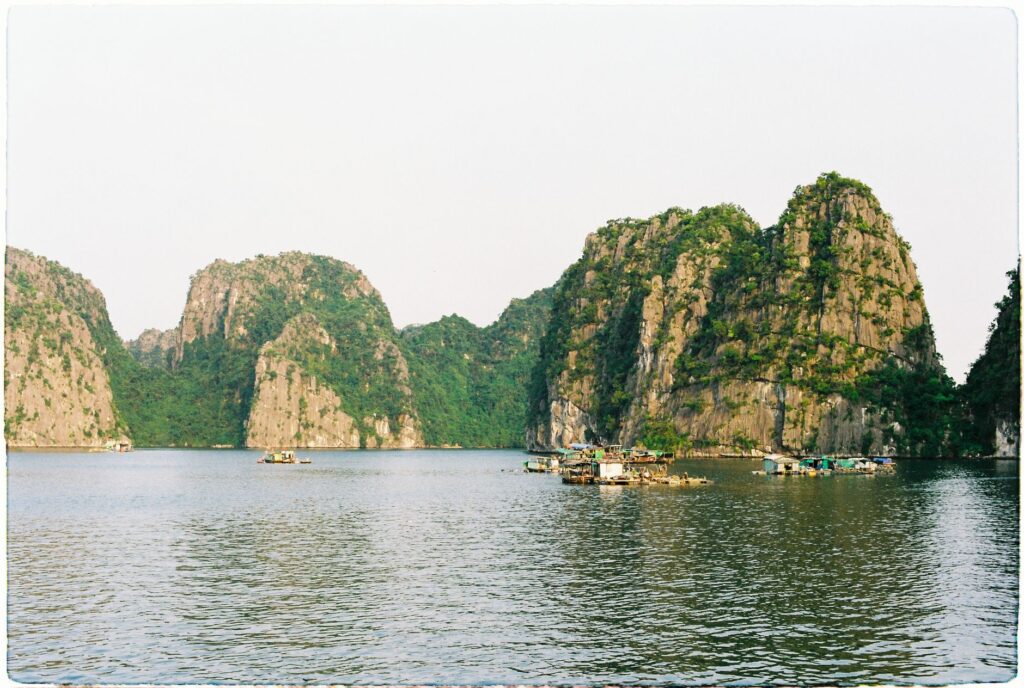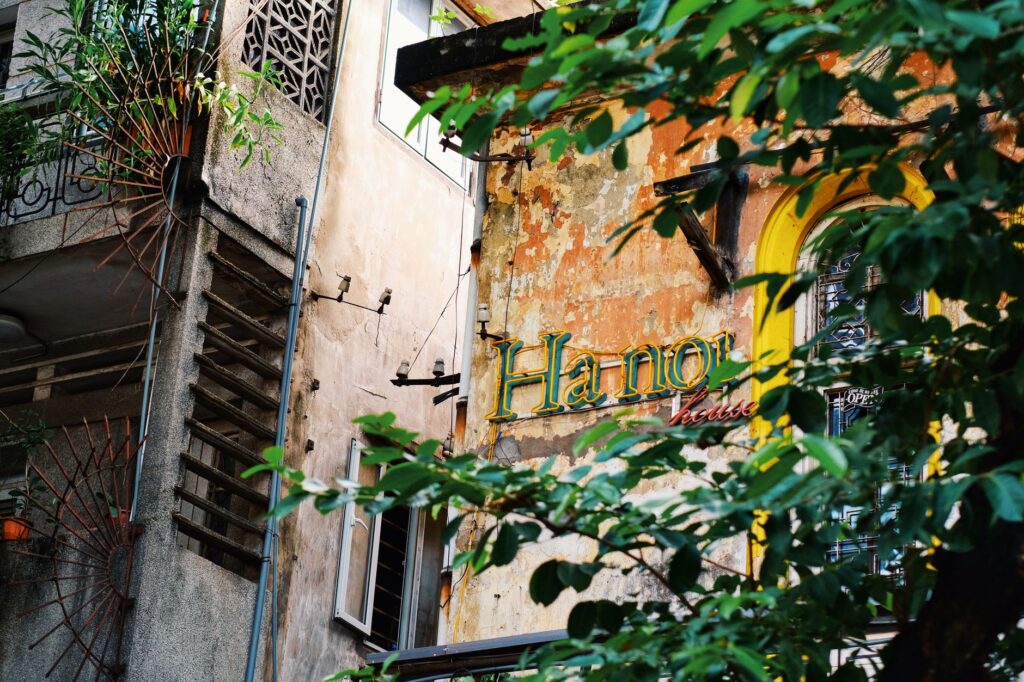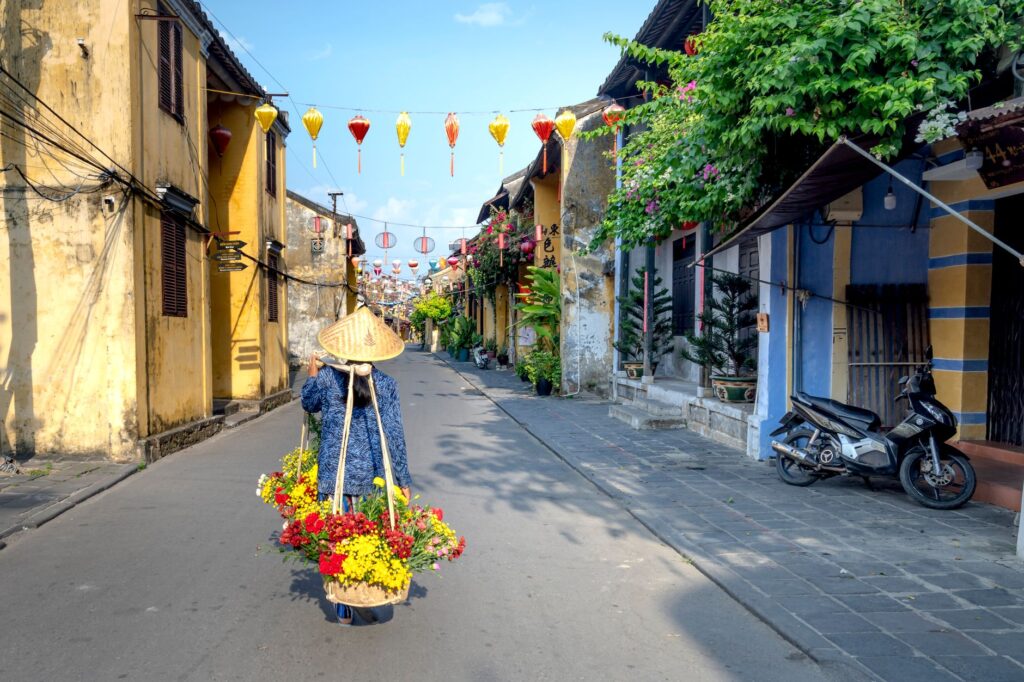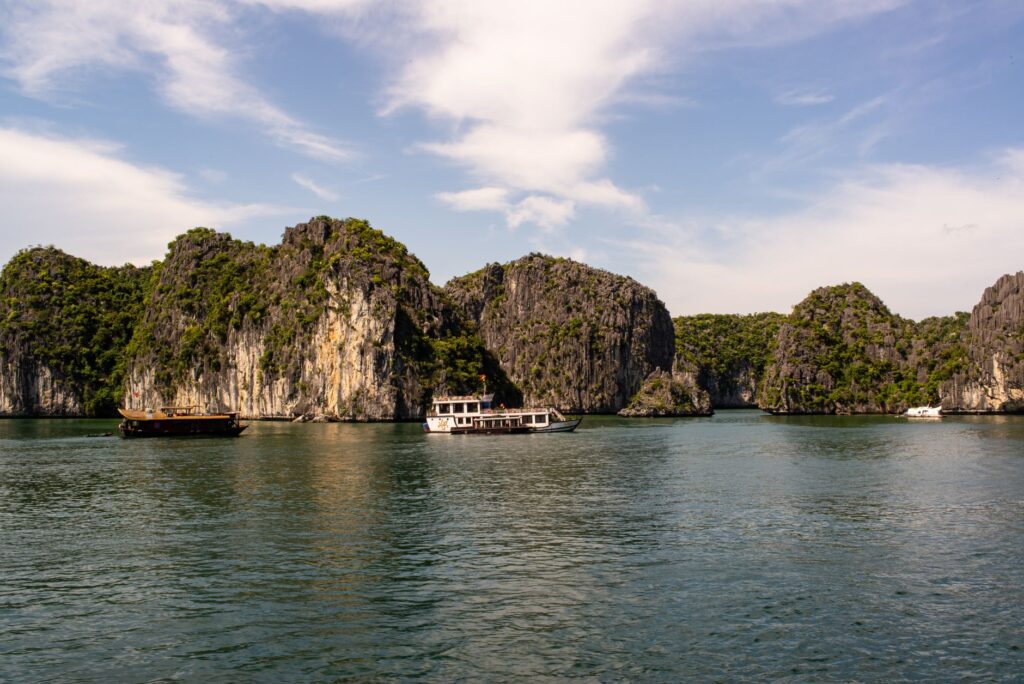

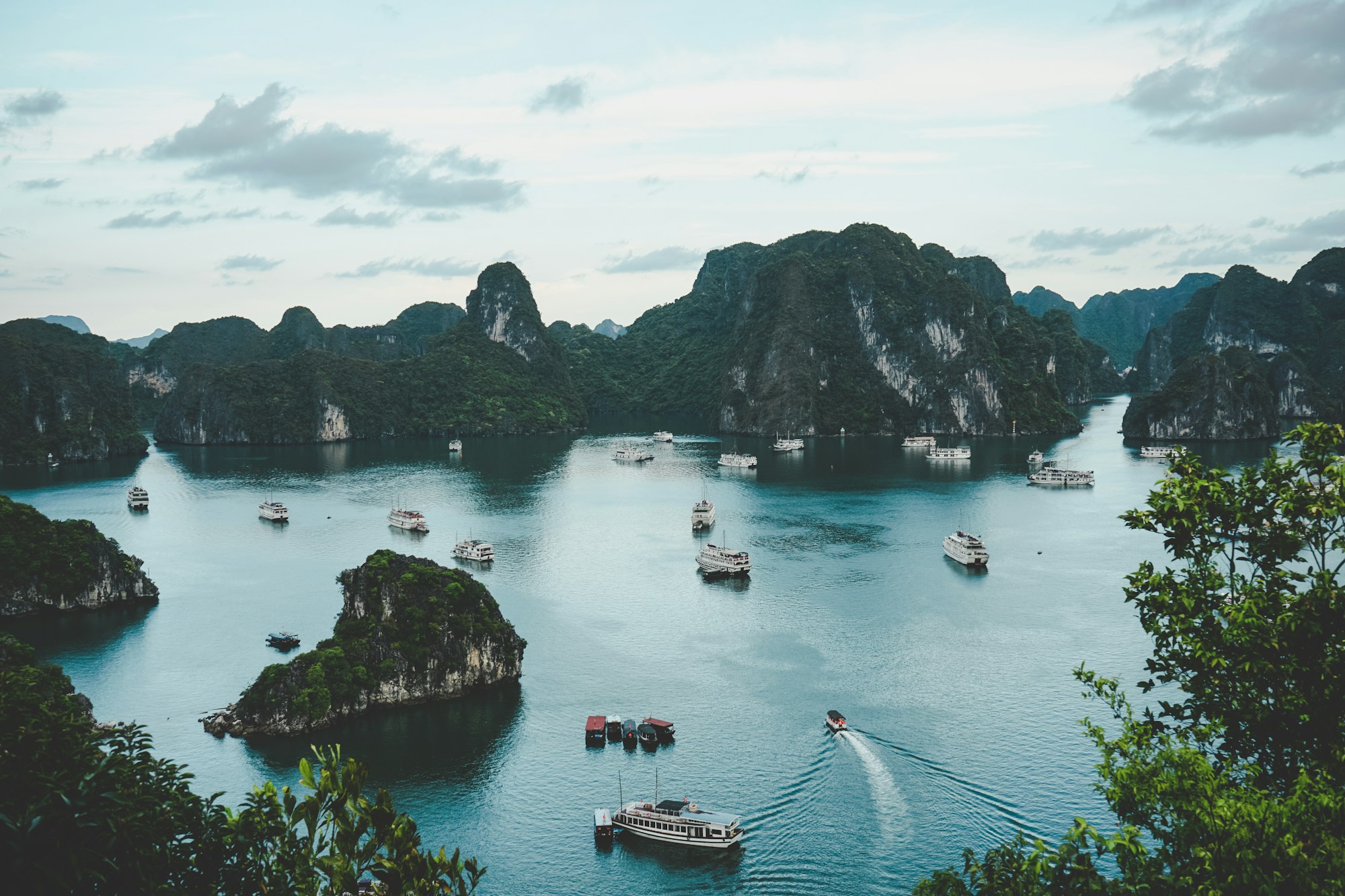
Vietnam is the Southeast Asian destination that is most consistent in how it surprises people. They come expecting scenery and find a country with a cultural depth, a food culture of extraordinary refinement, and a series of genuinely distinct regional identities that make a single ten-day trip feel as varied as three different countries. Ha Long Bay is one of the most photographed landscapes in Asia and earns every photograph — particularly from a cruise boat at dawn when the day-trippers have not yet arrived and the water between the karsts is the colour of bottle glass. Hoi An is the most beautiful small city in Southeast Asia, a UNESCO-listed old town of merchant houses and tailor shops lit at night by paper lanterns whose reflections make the Thu Bon River glow. And Hanoi is a city that has been a capital for a thousand years and has not forgotten it.
The north-south question is the structural one: Vietnam is long and its two coasts run opposite monsoon cycles, so the right answer depends on the season. The classic circuit runs Hanoi and Ha Long in the north, then a domestic flight south to Da Nang for Hoi An and the central coast — and this direction, north to south, is the right one because it ends at the best beaches rather than starting at them. A two-night Ha Long cruise rather than one is not an indulgence; the bay after the day-boats return to shore is a different place, and the overnight allows the early morning light on the karsts, which is the light the photographs are made of.
The dietary brief in Vietnam requires more specificity than most Southeast Asian countries. Fish sauce and shrimp paste are base ingredients in the Vietnamese kitchen, and a general request for vegetarian food will often produce something that contains them. Major luxury hotels — the Sofitel Legend Metropole in Hanoi, the Four Seasons Nam Hai in Hoi An — are fully practised at genuine vegetarian preparation when briefed in advance. On the cruise, the Heritage Line kitchens are excellent and responsive to dietary requirements. The street food is harder; the hawker stalls that produce the best pho and banh mi almost always use a meat-based broth or filling.