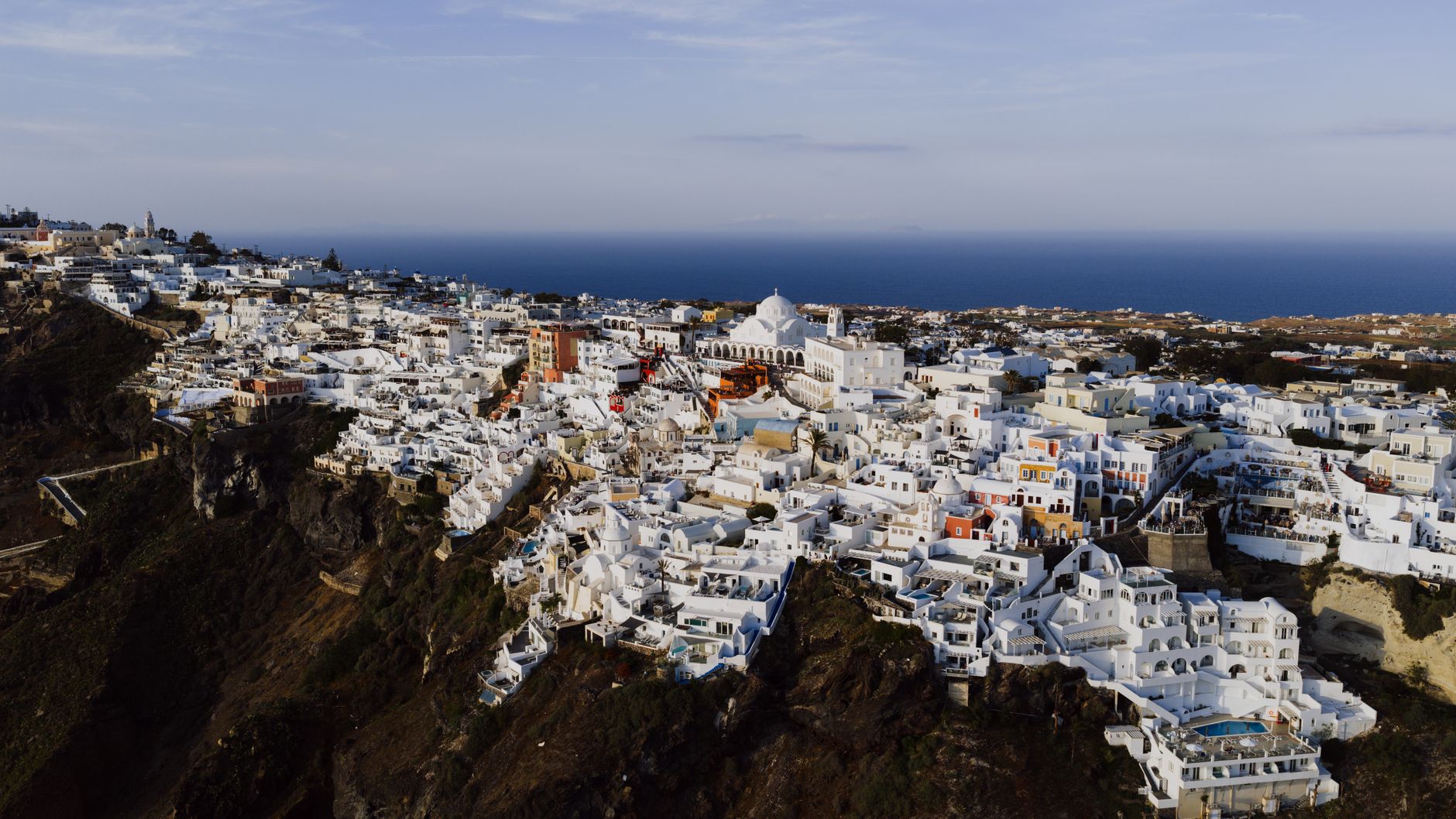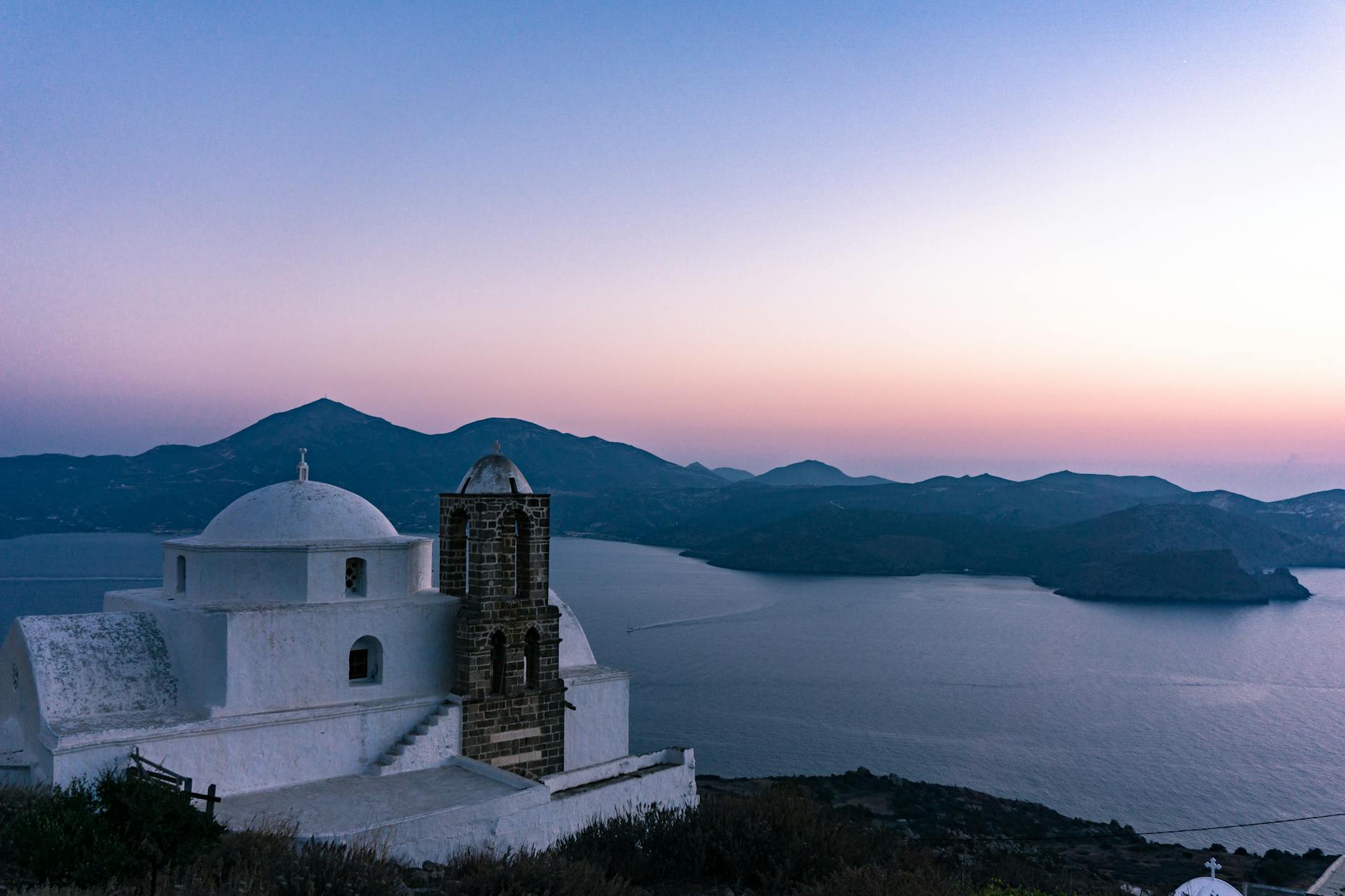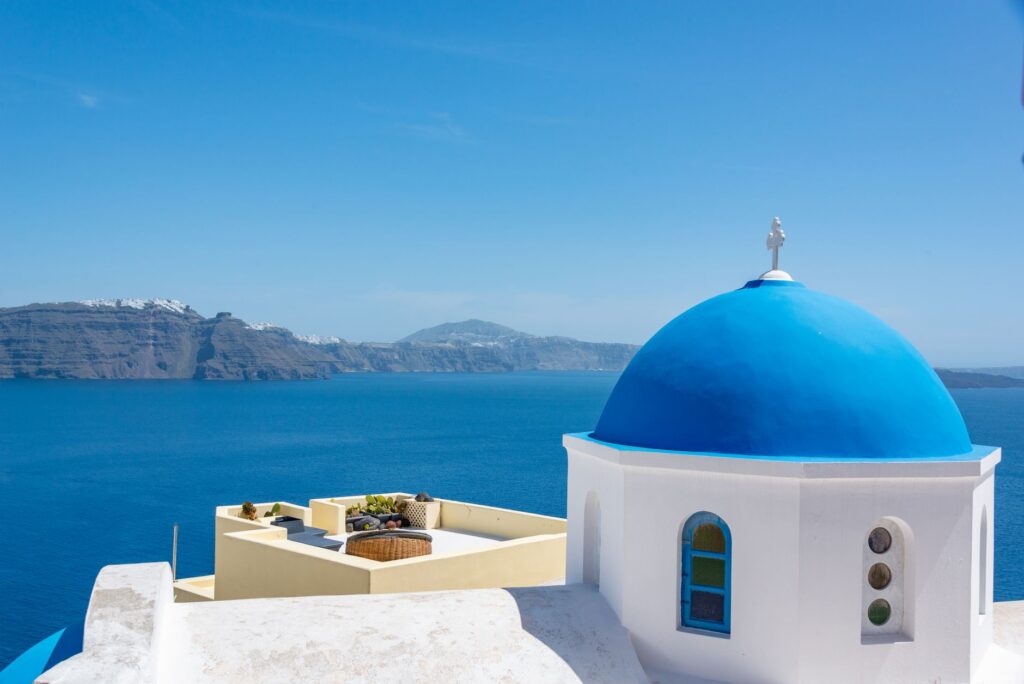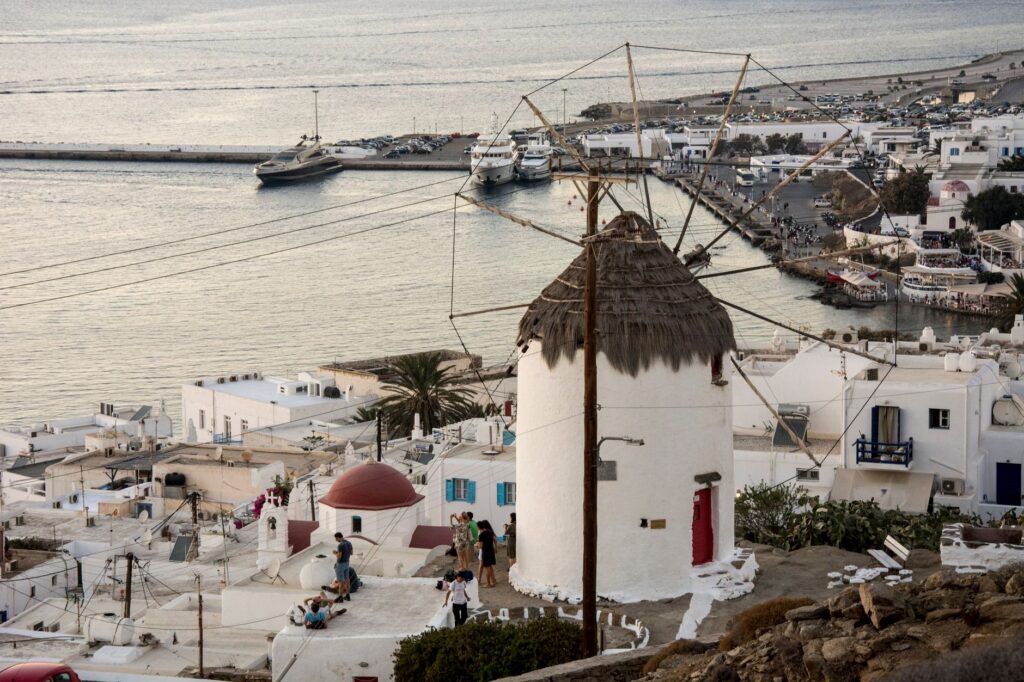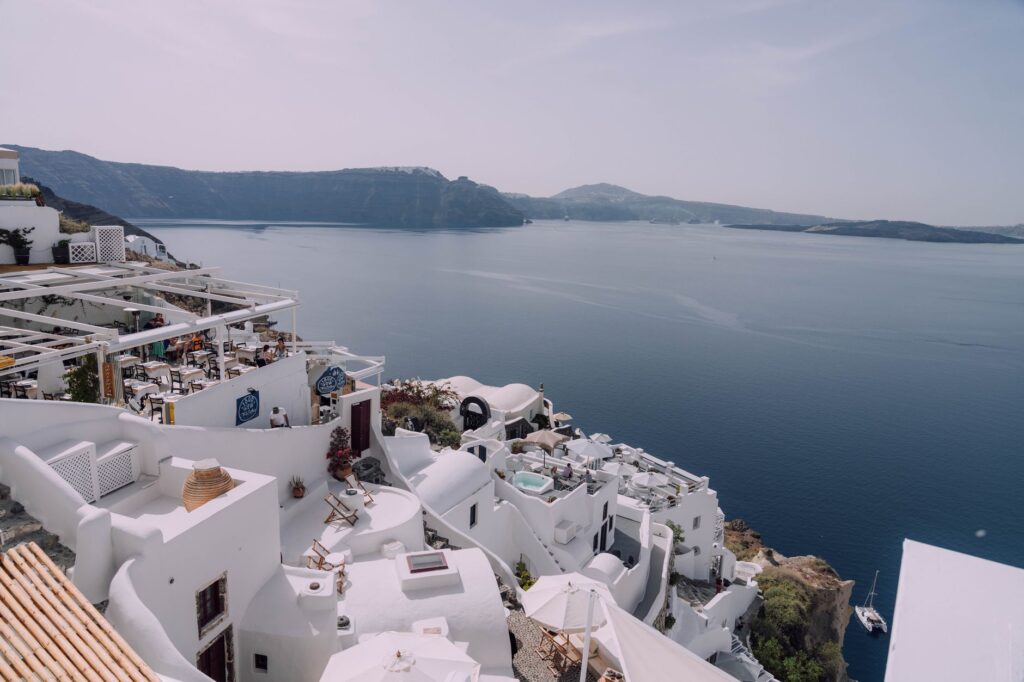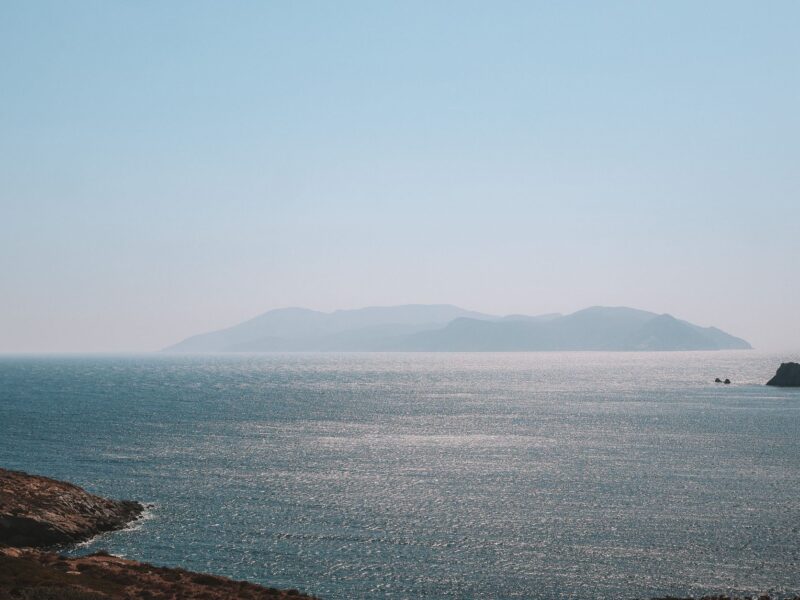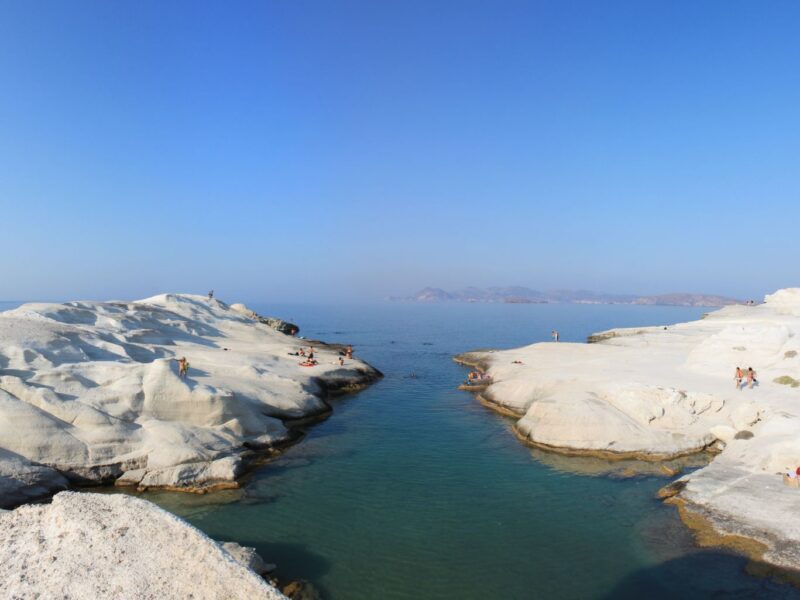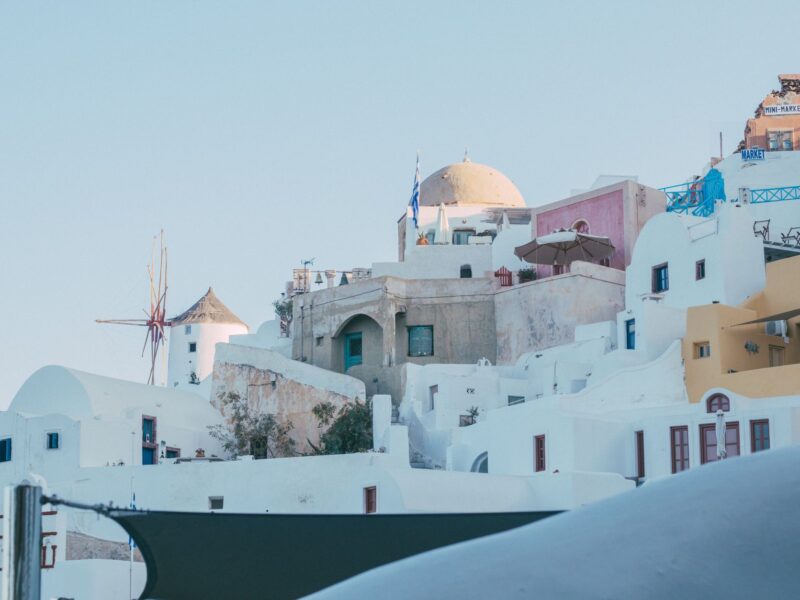

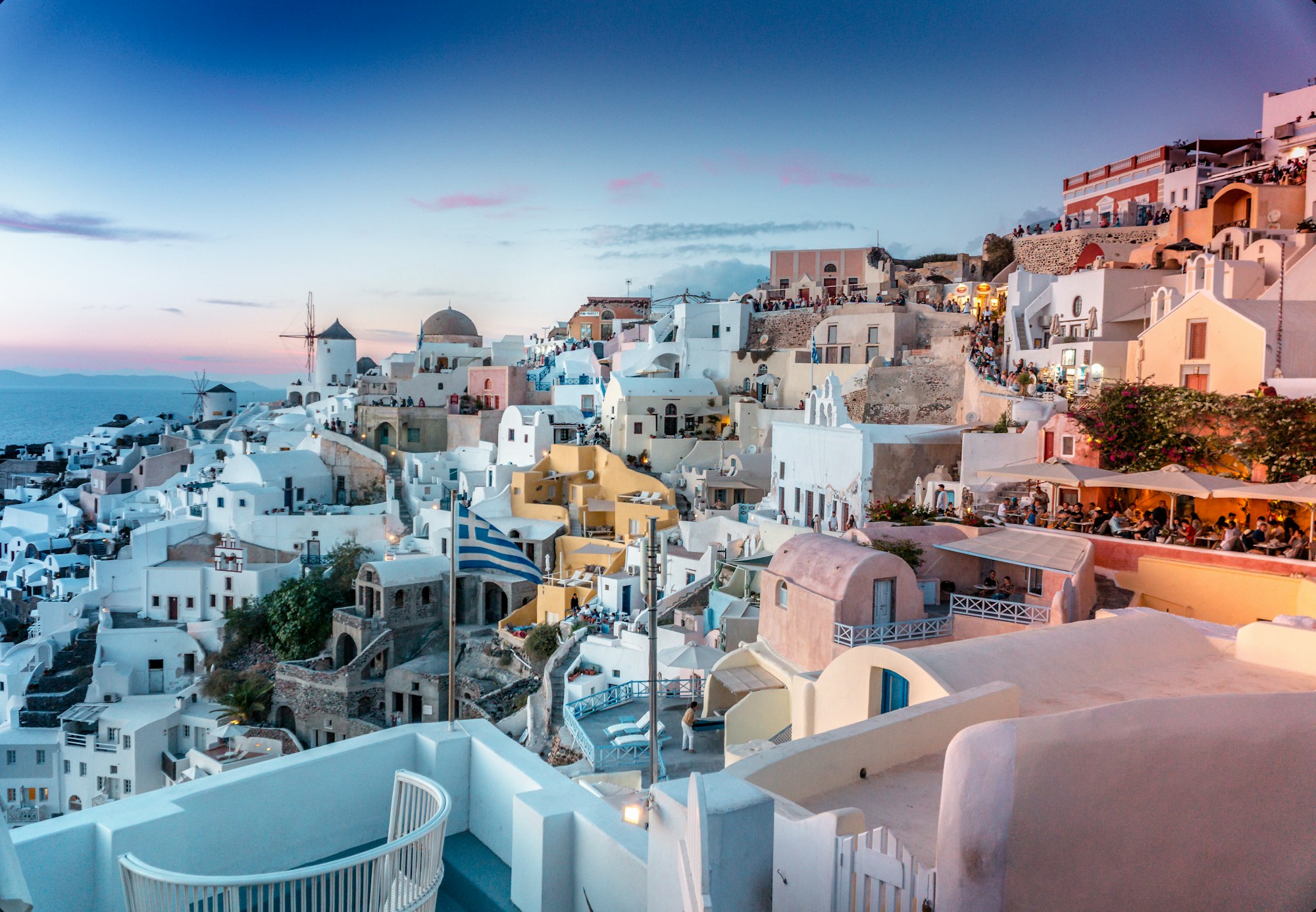
Greece does something most destinations can’t: it delivers the photograph and then exceeds it. The Santorini caldera is as extraordinary as the images suggest, and then the light at six in the morning, when the cruise passengers are still asleep and the cliff path is empty, is something the photographs don’t capture at all. The country runs on this gap between expectation and experience, and the skill is getting to the right side of it — the quiet hours, the quieter island, the village thirty minutes from the famous one where the octopus is hung on a line outside the taverna and the table has no menu because there isn’t one.
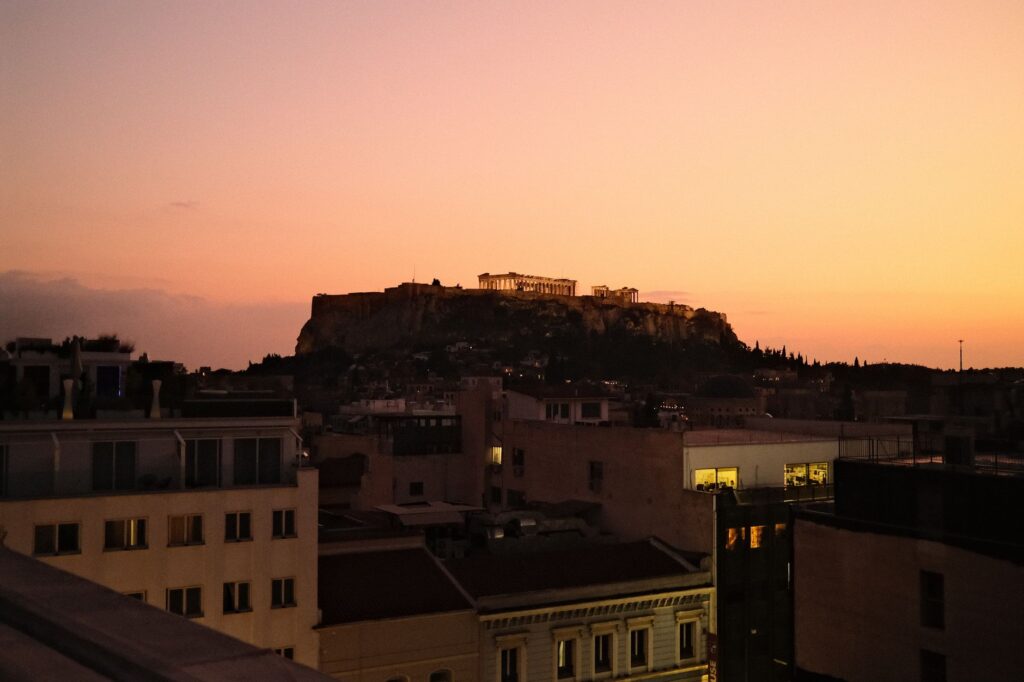
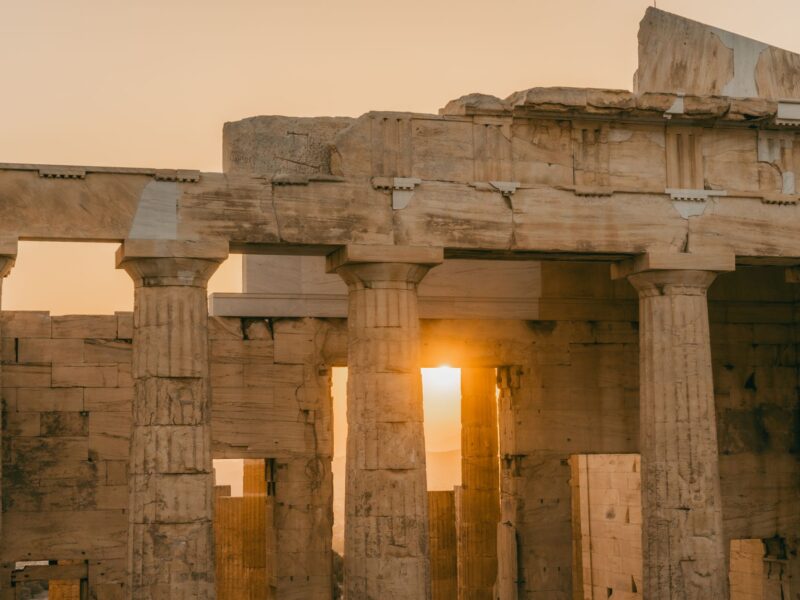
The mistake most Greek island itineraries make is sequencing. Athens first, almost always — it’s the international gateway, the right buffer city after a long flight, and two nights with the Acropolis at dawn before the crowds arrive earns the rest of the trip. Then the islands in an order the ferries support rather than fighting them: Santorini and Mykonos are an easy air connection or ferry pair, with the wind and the routes both working in your favour in that direction. Milos, the volcanic dark horse, sits on its own and rewards a deliberate detour. Paros is the island that does everything competently without being famous for any one thing — the right choice when the group has different ideas about what a holiday means. The cardinal error is pinning a weather-exposed ferry leg against a departure flight, which we’ve written about separately and which we never do.
We route Greek trips constantly through the summer season, and the calls that matter are smaller than people expect. Which side of the caldera — Imerovigli and Firostefani are quieter than Oia and the view is the same or better, and the hotel market is less brutally priced. Whether the cave suite or the plunge-pool terrace, which turns entirely on how much of the day you’ll actually spend in the room. The ferry from Rafina rather than Piraeus to save forty minutes of Athens traffic on the day you’re most tired. The June window when the island is animated without being overwhelmed, and the September one when it empties of the high-season crowd and the water is warmest. We know which week of October the light turns and the oleander goes amber.